
Getting braces is a milestone that most teenagers share, and if you're a parent preparing for it, you probably have questions about every step of the process. This guide walks you through the full teen braces experience at Starling Orthodontics in Brentwood, TN, from the very first free consultation to the day the retainers go in.
If your teenager is between the ages of 10 and 14, you're likely approaching the window when an initial consultation makes sense. Most teens wear braces for 12 to 24 months, though braces treatment duration varies based on individual needs. A teen who starts orthodontic treatment in the fall of 2026, for example, could realistically have everything wrapped up well before high school graduation in the spring of 2028.
Here's what many parents don't expect: today's experience looks almost nothing like the one you went through 25 to 30 years ago. Modern braces feature smaller brackets, digital impressions instead of goopy putty molds, lighter forces from advanced wires, and far more aesthetic options. The days of bulky metal brackets and frequent visits are largely behind us.
At Starling Orthodontics, the initial consultation is completely free.
You and your teen can tour the office, meet the doctor, and review every option without any obligation. The journey itself follows a clear path: diagnostics, choosing between metal braces, ceramic braces, clear aligners, or lingual braces, followed by bonding day, regular checkups, debonding, and retainer wear. Each of these steps is covered in detail below so you know exactly what to expect.
Most teens start braces between ages 10 and 16, once enough most permanent teeth have erupted and jaw growth is still active. Teenage orthodontic treatment typically occurs between ages 10 and 15 for a few reasons that go beyond convenience.
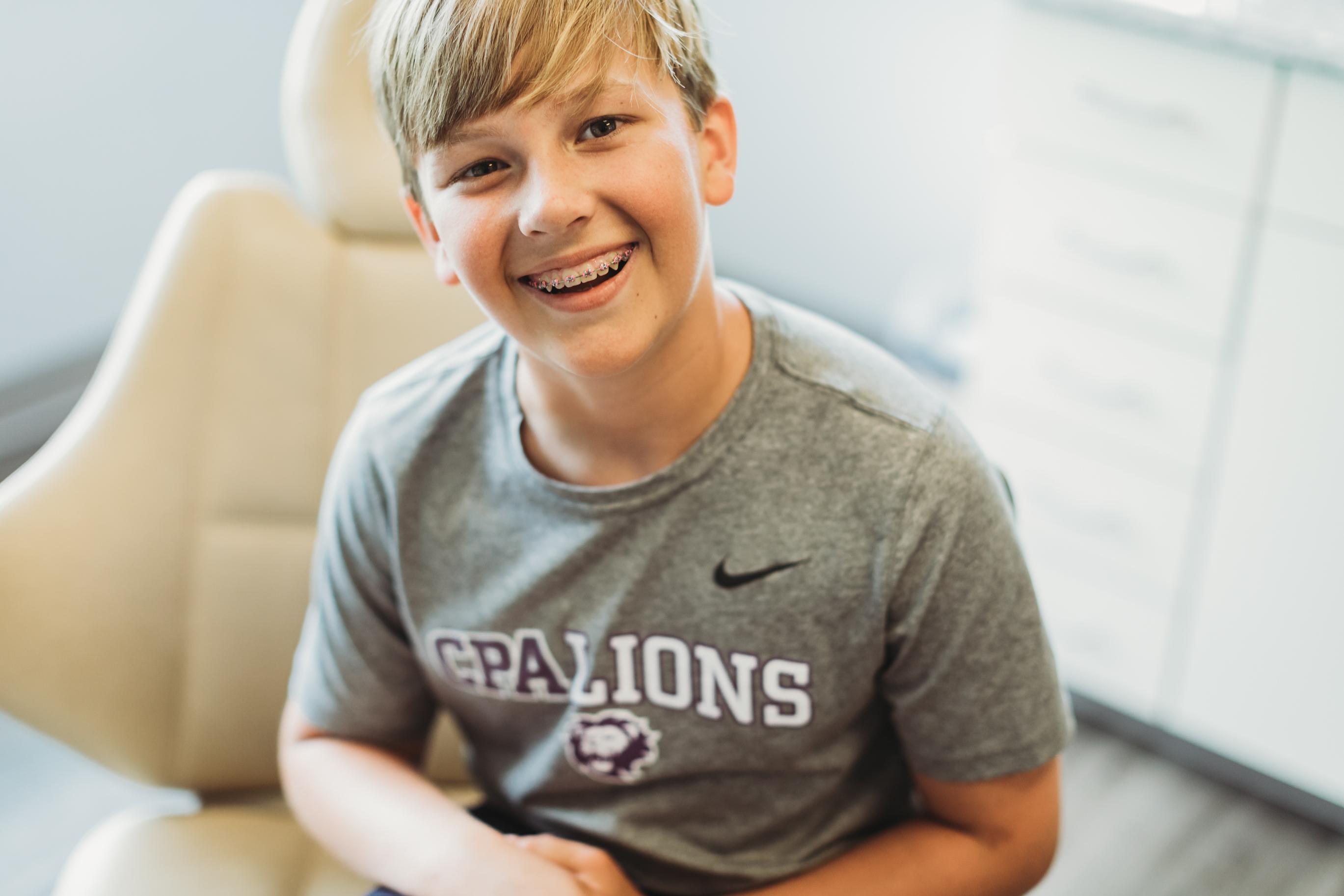
If you had braces in the 1990s, you probably remember oversized metal brackets, tooth separators, uncomfortable bands cemented around every back molar, and messy putty impressions that triggered your gag reflex.
Modern orthodontic appliances are dramatically different. Today's brackets are sleeker, lower-profile, and smoother against the cheeks. Most cases now require less or no spacers for bands on back molars, eliminating one of the most dreaded parts of the old-school experience.
Bracket technology has evolved considerably. Modern metal braces use smaller, low-profile designs compared to the bulky stainless-steel brackets of decades past. Ceramic braces, which were brittle and prone to issues in their early versions, are now refined and widely used. The wires have changed too. Superelastic nickel-titanium and heat-activated alloys deliver continuous gentle forces, meaning fewer adjustments and more comfort between visits.
On the technology side, digital impressions have largely replaced putty molds, and 3D X-rays & treatment planning allows both parents and teens to see projected outcomes before treatment even begins. These upgrades translate to fewer visits, shorter appointments, and a treatment process that's more efficient from start to finish.
Parents consistently notice that their teen's experience is quicker, less painful, and more discreet than their own orthodontic treatment was. The difference is night and day.
Starling Orthodontics personalizes every treatment plan based on the teen's bite, lifestyle, and family budget. There's no one size fits all approach to straightening teeth, and the orthodontist works with both parents and teenagers to find the right fit.
The main options available in our Brentwood office include traditional metal braces, ceramic braces, Clarity clear aligners (an Invisalign-style treatment), and lingual braces. The orthodontist will recommend braces or aligners based on clinical needs, but parents and teens are always involved in the decision. All of these types of braces aim for the same result: straight teeth, a stable bite, and healthy smiles that last well into adulthood.
Metal braces remain the most common type for teens, and for good reason. Modern metal braces made from high grade stainless steel are incredibly reliable across every level of case complexity, from mild crowding to severe bite issues.

Today's metal brackets are bonded directly to each tooth, connected by thin archwires made from advanced alloys that hold their shape longer between visits. Self-ligating braces use clips instead of rubber bands to hold the wire, reducing friction and sometimes shortening treatment time. And yes, teens can still pick colored elastics at each appointment to match school colors, holidays, or sports teams.
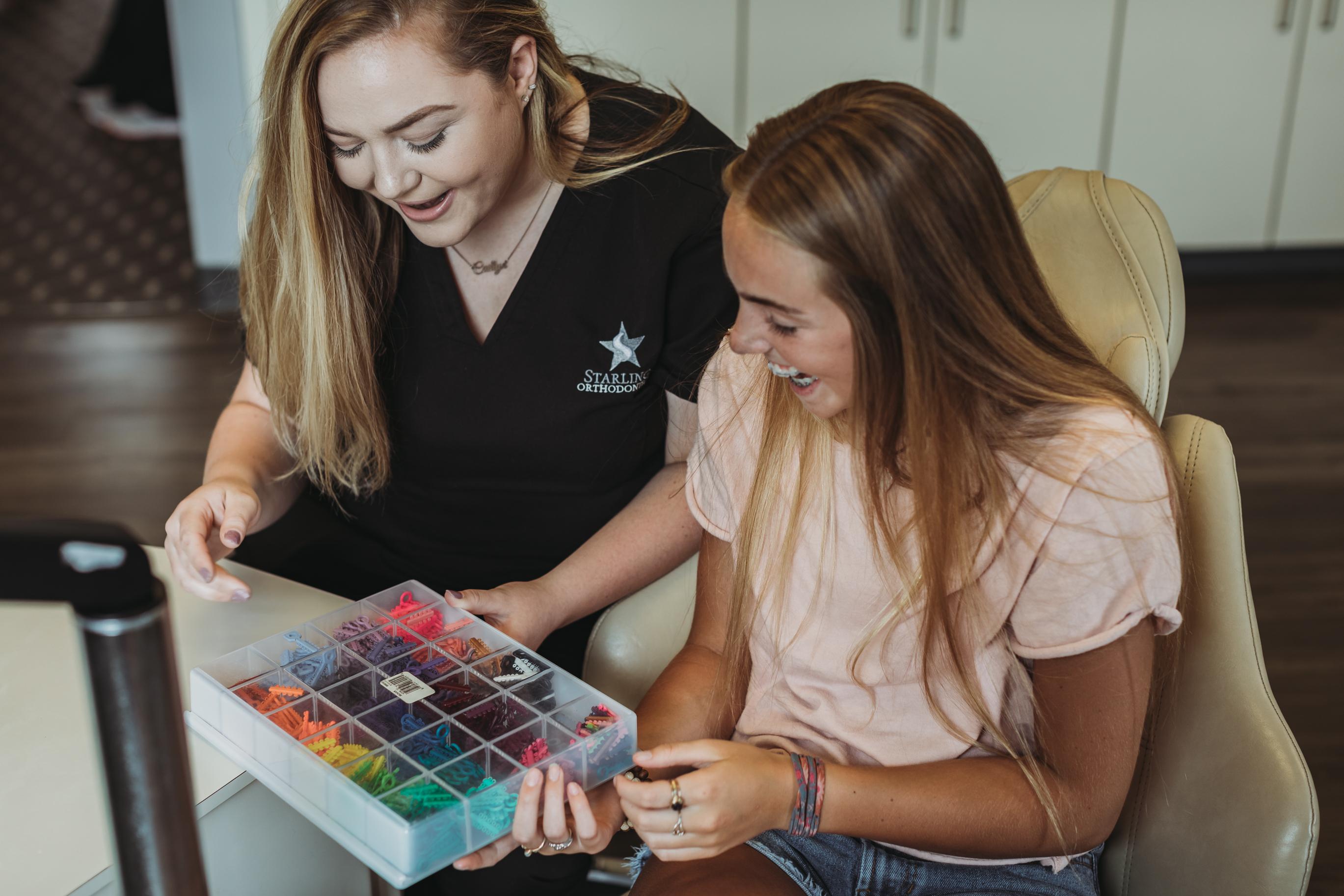
Traditional metal braces are ideal for complex cases and for teens who might struggle with keeping track of removable appliances. They're also the most affordable option, typically ranging from $3,000 to $7,500. Braces typically cost between $3,000 and $7,000 for most standard cases. Today's metal braces in 2026 are smaller, smoother, and far less irritating than the ones many parents wore in the 1990s.
Ceramic braces use tooth-colored or translucent brackets that blend in with natural enamel, making them far less noticeable in photos and at school. Ceramic braces are less visible than metal braces, which is why they're a top choice for image conscious teenage patients in Brentwood and Nashville who want metal or clear braces without the fully metallic look.

They work similarly to traditional braces, using wires and elastics to correct crowding and correcting bite issues. Clear or white coated wires are often used on upper front teeth for an even more discreet appearance. The most common braces options for teenagers include metal and ceramic braces, and ceramic options typically run between $4,000 and $7,000.
One trade-off to know: ceramic braces are less noticeable but more fragile than metal braces, and on certain bites they are not advisable on lower teeth. Clear aligners may cost similar to ceramic braces, so it's worth comparing both during your consultation. Ceramic braces remain especially popular with many teens who want a straighter smile without the classic metal look.
Clear aligners are removable, practically invisible trays that straighten teeth without brackets or wires. They're custom made from digital scans, and teens switch to a new set every one to two weeks to continue tooth movement. Invisalign aligners and similar systems like Clarity have expanded their capabilities significantly since the late 1990s, now handling rotations and vertical movements that were previously only possible with fixed braces.
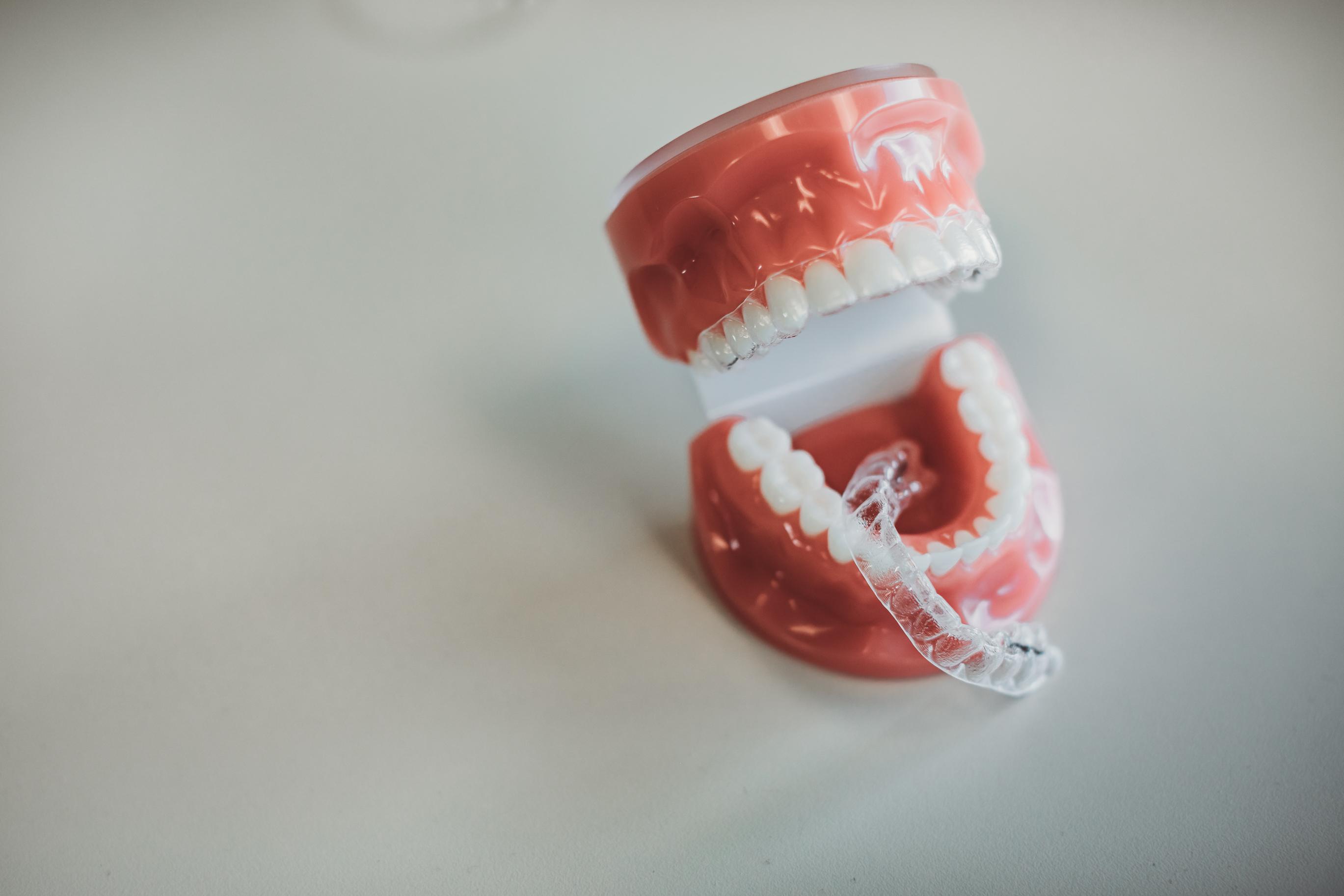
The lifestyle benefits are significant: no food restrictions, easier brushing and flossing, and minimal impact on playing instruments or speaking. Clear aligners are removable, allowing normal eating and cleaning. However, teens must wear clear aligners for at least 22 hours daily, which means keeping them in at school, at home, and overnight. Invisalign aligners must be worn for 22 hours daily for the treatment to stay on track.
Responsibility is important for teens using clear aligners to ensure compliance, so this invisalign treatment works best for teens who can commit to that discipline.
Starling Orthodontics carefully evaluates whether a teen's case is appropriate for invisible aligners or whether fixed braces would deliver a more efficient result.
Lingual braces are placed on the back of the teeth for invisibility, with brackets and wires bonded to the inner surfaces where the tongue sits. This makes them completely hidden in everyday interactions, even in close conversation or photos. They're an excellent option for older teens who want fully hidden orthodontic care but still need the control of fixed braces.
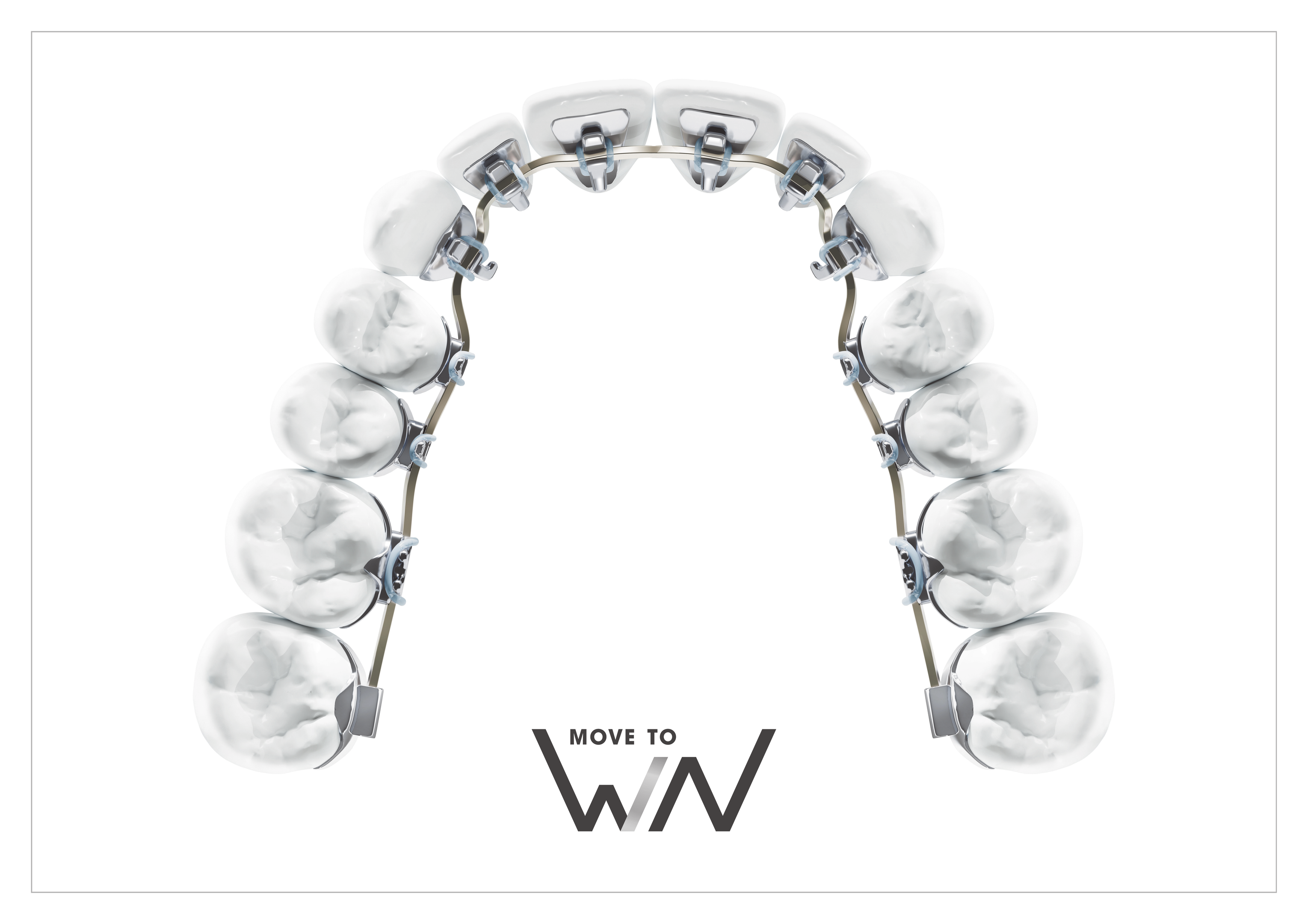
Lingual braces may require a short adaptation period. Some teens adapt to the tongue sensation and minor speech changes within two to four weeks. Cost is higher than other options, typically $7,600 to $9,500, due to custom brackets and specialized technique.
For more challenging cases, Starling Orthodontics may also use temporary anchorage devices (TADs), which are small titanium screws placed in the jaw to serve as fixed anchor points. TADs can correct bite issues without extractions or headgear, and they're placed and removed with minimal discomfort. The orthodontist discusses these advanced options when they offer clear clinical advantages for a teen's smile and long-term oral health.
The first visit at Starling Orthodontics is designed to be relaxed and informational. There's no pressure and no cost. This free consultation gives families a chance to see the office, meet the team, and understand exactly what orthodontic treatment would involve for their teen.
During the appointment, the team reviews health and dental history, takes 3D digital X-rays and intraoral scans as needed, captures photos, and performs a gentle exam of the child's teeth and bite. The orthodontist then discusses findings in plain language, explains whether adult teeth are ready for treatment, and compares options like traditional braces, clear braces, and clear aligners.
Families also receive transparent information on fees, insurance coverage, and payment plans at this first visit. Parents are encouraged to bring questions about teen braces, contact sports, music, school photos, upcoming events, and how the treatment process compares to their own past experiences. The consultation is designed so you leave with a clear picture of orthodontic needs, timeline, and investment.
Bonding day for metal or ceramic braces is typically a 60 minute appointment. There are no needles or drilling involved. The process is straightforward: the team cleans the teeth, places each bracket with a special adhesive, cures the adhesive with a light, and then connects everything with the first archwire.
For clear aligner patients, the first appointment involves receiving the initial sets of trays, a protective case, and detailed instructions on wear time and tray changes.
Discomfort is common during the first few days. Teeth may feel sore for 2 to 4 days after the initial placement as they begin responding to pressure. Soft foods like yogurt and mac and cheese are recommended initially, along with pasta, smoothies, and soups. Before heading home, teens receive orthodontic wax to place over any brackets that rub, written care instructions, and emergency contact information for the office.
Most teens adapt to braces within a few weeks, and daily routines return to normal quickly. The first few days at school might feel self-conscious, but most teens find that friends notice, ask a question or two, and move on almost immediately. Teens adapt faster than most parents expect.
For metal and ceramic braces, teenagers often face dietary restrictions. Teens should avoid hard, crunchy, and sticky foods with braces. Sticky foods can get stuck and cause cavities, and hard foods risk breaking brackets. Cut apples and carrots into pieces instead of biting directly, skip popcorn kernels and ice chewing, and limit sugary foods to maintain overall oral health and prevent oral health issues.
Teens with clear aligners remove them for meals and should rinse trays and store them in a case to avoid loss at school or practice. For big events like prom, yearbook photos, or sports banquets, today's aesthetic options help teens feel confident. Whether it's clear braces, tooth-colored wires, or aligners, the visibility of orthodontic appliances is minimal at the moments that matter most.

Teens can absolutely play sports with braces. A mouthguard is recommended for contact sports like football, basketball, soccer, and lacrosse. Starling Orthodontics can recommend or provide mouthguards designed to fit over metal or ceramic braces without restricting breathing.
Clear aligner wearers typically remove aligners for full-contact sports and store them safely during games and practice. Whether your teen is on the field or the court, wearing braces doesn't mean they can't play sports at the same competitive level.
For band and orchestra, brass and woodwind players may notice a short adjustment period. Wind instrument players may need time to adjust their embouchure, but most teens adapt quickly with minor modifications. The orthodontist can offer some tips at regular orthodontic visits.
Excellent oral hygiene is non-negotiable during orthodontic treatment. Without it, teens risk white spot lesions, cavities, and gum inflammation that can create lasting dental issues.
For metal, ceramic braces, and lingual braces brushing technique matters. Angle the brush around each bracket and along the gumline, brushing at least twice daily and ideally after meals. Flossing aids like threaders or water flossers make cleaning between teeth and around orthodontic appliances far easier for teens who might otherwise skip flossing entirely.
For clear aligner wearers, brush after every meal before reinserting trays, and clean aligners daily with approved solutions (such as dental pods)to keep them clear and odor free. Maintaining good oral hygiene throughout treatment helps improve oral health long term. Starling Orthodontics reviews hygiene at every visit and may recommend fluoride products or additional cleanings with the family's pediatric dentist or general dentist. A strong partnership between orthodontic care and pediatric dentistry ensures the best outcomes for dental development during the teen years.
Adjustment visits are typically scheduled every 6 to 10 weeks, depending on the treatment plan and appliance type. At each appointment, the orthodontist checks progress, changes wires or elastics, and addresses any concerns about comfort or daily life.
Discomfort is common during tightening appointments for braces, and teeth may feel sore for 2 to 4 days after adjustments. Soft foods and over-the-counter pain relief help during that window.
Realistic timelines: treatment duration for braces usually ranges from 12 to 24 months for most teens, with simple alignment cases finishing closer to a year. Complex cases may require braces for up to 36 months, particularly when addressing severe bite discrepancies or jaw growth coordination. Modern wire technology often allows longer intervals between visits compared to what parents remember from their own braces years, which means fewer missed school days.
Keeping appointments, following dietary guidelines, and maintaining oral hygiene are the three factors most within a teen's control that help keep treatment time on schedule.
Debonding day is one of the most exciting appointments in the entire process. Brackets come off, remaining adhesive is polished away, and your teen sees their new straight teeth for the first time. The appointment is comfortable and usually takes less than an hour.
Retainers are a non-negotiable final phase. Without them, teeth will gradually shift back toward their original position. Most teens in 2026 receive clear removable retainers custom-made from a final scan. Typical retainer wear follows a simple schedule: full-time for the first few months, then nightly wear long-term to protect the teen's smile.
Starling Orthodontics schedules follow-up visits after debonding to ensure everything stays in the correct position and that retainer care is on track. The goal is a confident smile that lasts for decades, not just until senior year.
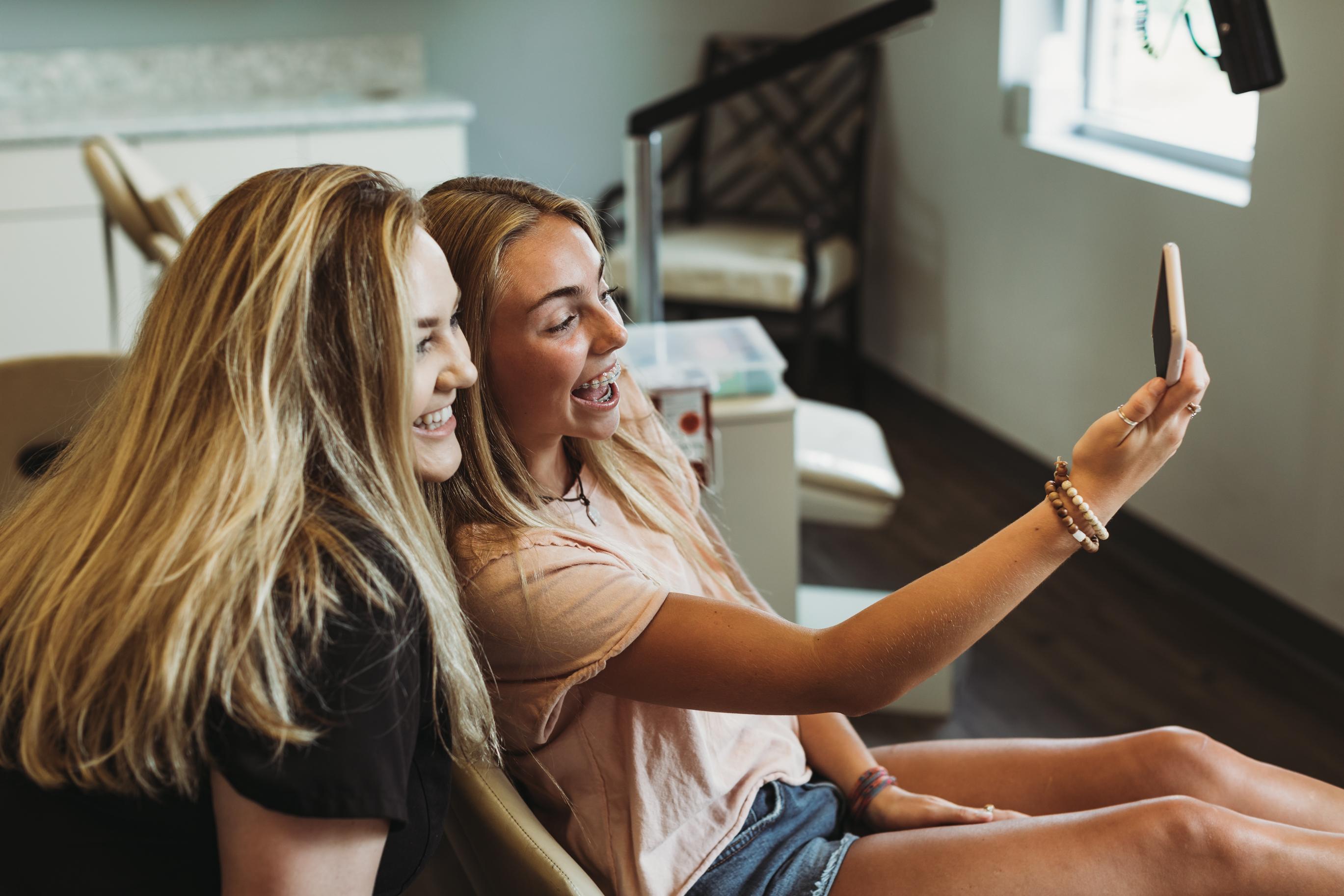
Orthodontic treatment is a long-term investment in both health benefits and self esteem, not just a cosmetic upgrade. Braces can boost a teenager's self-esteem and confidence in ways that extend well beyond appearance, and the ability to improve oral health through properly aligned teeth pays dividends for life.
Total cost depends on the appliance type, case complexity, and estimated treatment time. Here's a general range for 2026 pricing:
Most orthodontic insurance plans cover a portion of braces costs, and the average orthodontic coverage is typically $1,000 to $2,000 toward the total fee. The office team at Starling Orthodontics helps verify benefits before treatment begins so there are no surprises.
Payment plans for braces can spread costs over time, with monthly installments aligned to the treatment duration. Consultations are free, so families can understand costs, coverage, and all options before making any commitment.
Starling Orthodontics is a dedicated orthodontic specialty clinic in Brentwood, TN, serving children, teens, and adults. Unlike general dental offices that offer orthodontics as a side service, this practice focuses exclusively on orthodontic care.
Families choose Dr. Starling for a few reasons: personalized treatment plans tailored to each teen's orthodontic needs, a full menu of aesthetic options including ceramic braces, lingual braces, and clear aligners, and modern digital technology that makes every step more comfortable and precise. Communication matters here. Both parents and teens receive clear expectations for timeline, comfort, baby teeth and adult teeth considerations, and daily care from the start.
Seeing the same specialty team throughout treatment builds trust and consistency, something that larger corporate chains often can't match. Whether your teen needs traditional metal braces to correct dental issues, clear aligners for a discreet approach, or advanced solutions for complex bite issues, Starling Orthodontics has the expertise to deliver a boost self esteem result and a healthy, confident smile.

Ready to get started? Schedule a free consultation for your teen to explore braces for teens or clear aligner options. Learn what's changed since your own teen years, see the technology firsthand, and start planning for a straighter smile that lasts a lifetime.

Please call (615) 507-1660 or click below to schedule a consultaion appointment online.

Please call (615) 507-1660 or click below to schedule your complimentary orthodontic consultation online.


