By Dr. Craig Starling, Orthodontist | Starling Orthodontics | Brentwood, TN
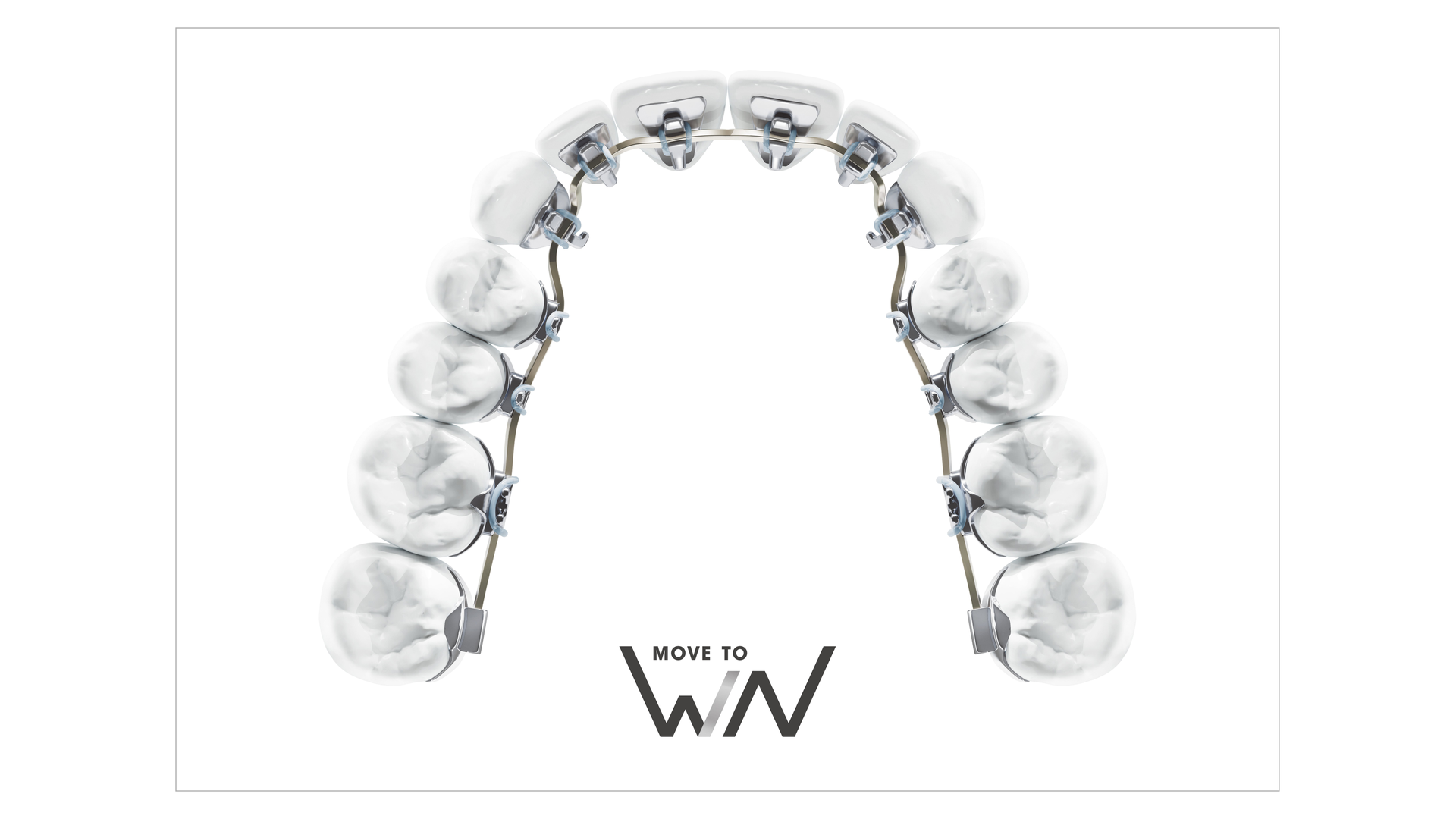
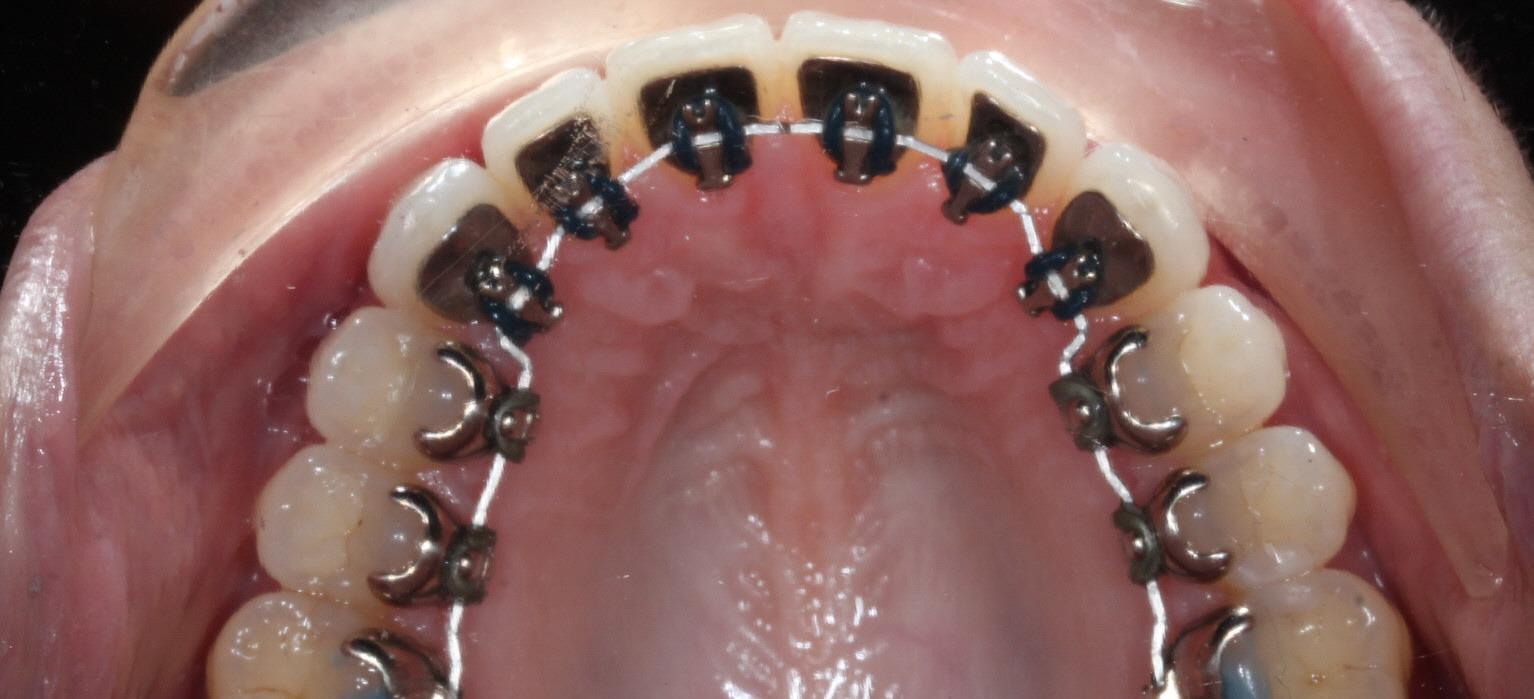
Lingual braces, also called hidden braces or braces behind the teeth, are fixed orthodontic brackets bonded to the back of your teeth rather than the front. They work exactly like traditional braces, applying continuous, precise force to move teeth and correct your bite. Best of all, because the hardware faces inward toward your tongue, they are completely invisible from the front, the side, and in photos. Unlike clear aligners, lingual braces are fixed and work continuously. There's nothing to remove, nothing to lose, and no daily compliance requirement- making them fundamentally different from removable orthodontic options and, for many patients, significantly more predictable in their results.
This post is a comprehensive guide to lingual braces for adults: what they are, how they work, who they're right for, and what makes them different from clear aligners. As Tennessee's #1 lingual braces provider and an orthodontist who has placed hidden braces on hundreds of patients across Nashville, Brentwood, and Middle Tennessee since 2007, I want to give you the honest, thorough information you need to decide whether this is the right treatment for you.
Lingual braces work on the same mechanical principles as traditional front-facing or visible braces by applying continuous, gentle pressure to guide teeth into alignment over the course of treatment. The key difference is that all of the hardware sits on the lingual (tongue) surface of each tooth, completely out of sight. At Starling Orthodontics, we currently use the WIN lingual braces system, which represents the most advanced hidden braces technology currently available in the United States.
The treatment length typically ranges from 12 to 30 months depending on case complexity.
One of the most common questions I hear from patients considering lingual braces is whether they actually work as well as traditional braces. The short answer is yes, and the published literature supports this clearly.

The accuracy of the WIN system specifically has been validated in peer-reviewed research. A retrospective cohort study by Pauls, Nienkemper, Schwestka-Polly, and Wiechmann published in the Journal of Orofacial Orthopedics (2017, 78: 52-61), assessed WIN's therapeutic accuracy using 3D digital comparison between the planned treatment setup and the actual final clinical result across 20 consecutively treated patients with a variety of malocclusions. The findings confirmed that the WIN appliance delivers highly predictable tooth movement outcomes consistent with the digitally planned treatment setup, validating the clinical reliability of the CAD/CAM customization process. This level of precision comparing what was planned digitally to what was actually achieved in the patient's mouth, is a standard that very few orthodontic systems have been subjected to in the published literature.
Research published in the European Journal of Orthodontics and American Journal of Orthodontics and Dentofacial Orthopedics (AJODO) has consistently supported the clinical effectiveness of well-designed lingual systems in achieving tooth movements comparable to labial (front-facing) fixed appliances across a wide range of case types.
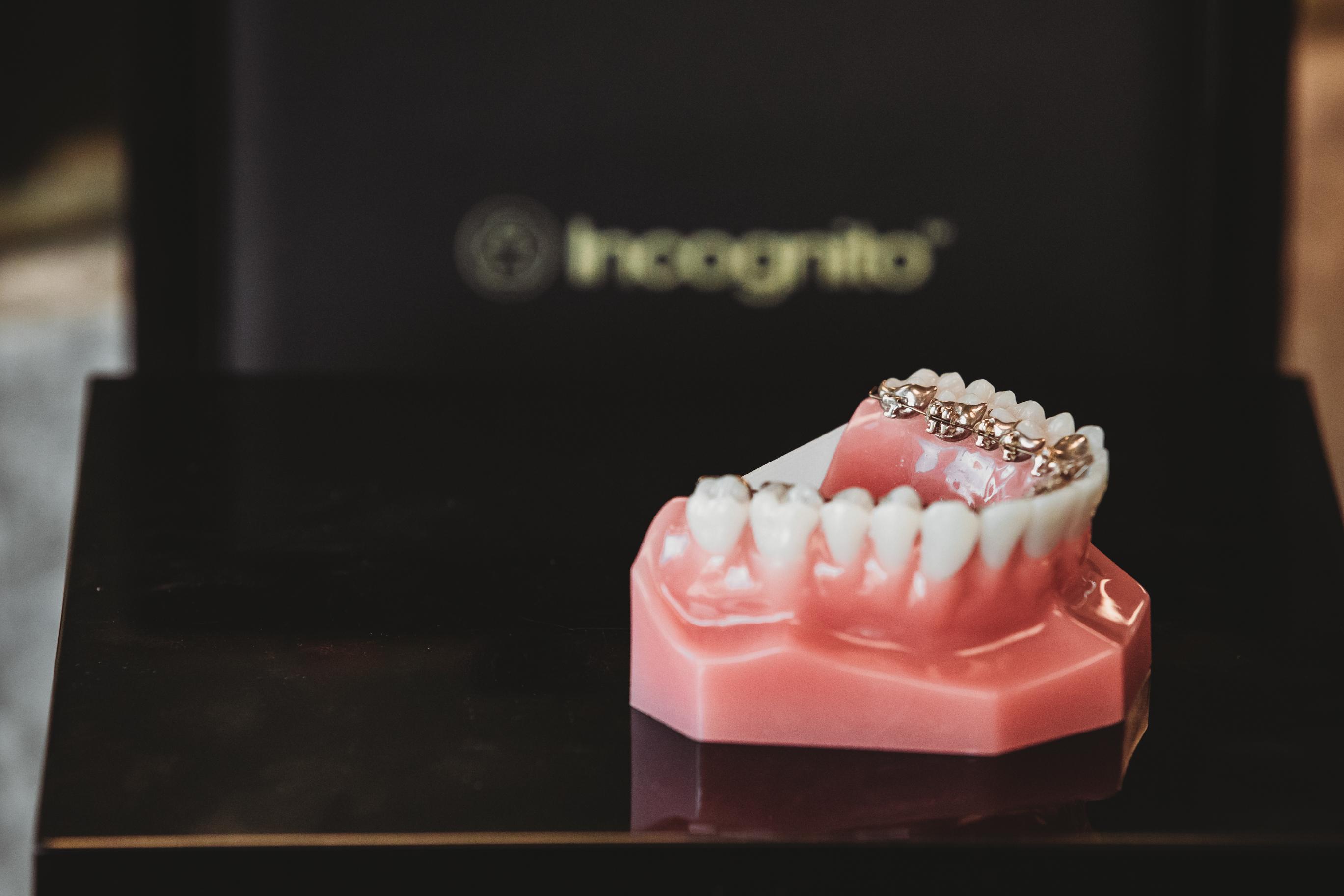
At Starling Orthodontics, I have personally treated patients with lingual braces since 2007 using three different systems: iBraces, Incognito (discontinued August 2025), and now WIN. The clinical outcomes I have achieved with hidden braces are consistent with the published evidence, and in complex cases involving extraction, significant crowding, or bite correction, lingual braces frequently deliver more predictable results than clear aligners alone.
Lingual braces can be used as a full set or a light version targeting the front teeth.
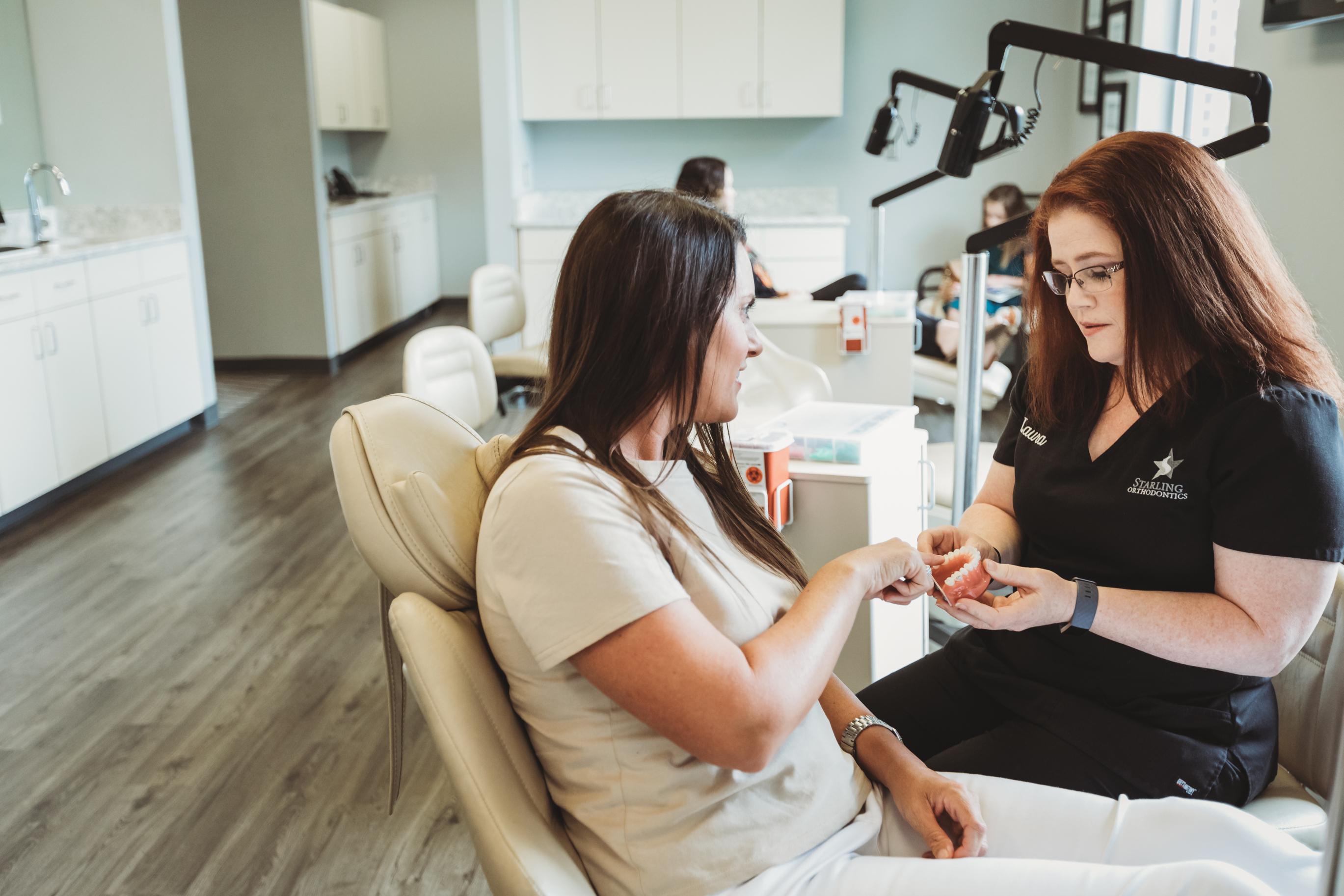
For adult patients in Nashville and Brentwood, the appeal of hidden braces goes well beyond aesthetics. Lingual braces offer a unique combination of clinical precision and complete discretion that no other orthodontic treatment currently matches.

Dr. Dirk Weichmann, the founder of both the Incognito and WIN lingual systems and one of the world's foremost authorities on lingual orthodontics, published research demonstrating that lingual braces result in significantly less decalcification compared to traditional labial (front-facing) braces. The difference was 10.6 times higher with labial(front-facing) braces.
The clinical explanation is straightforward: lingual brackets sit on the tongue side of the teeth, where saliva flow is naturally higher and the self cleansing action of the tongue actively reduces plaque accumulation around the brackets. The visible front surfaces of the teeth, the very surfaces most prone to white spot formation with traditional braces, remain completely bracket-free throughout lingual braces treatment, significantly reducing the risk of permanent enamel damage. For patients who are concerned about protecting the long-term appearance of their teeth, this is a compelling clinical reason to choose hidden braces over traditional labial appliances.
Understanding how braces behind the teeth compare to other orthodontic options is essential for making the right decision. Here's an honest side-by-side comparison:
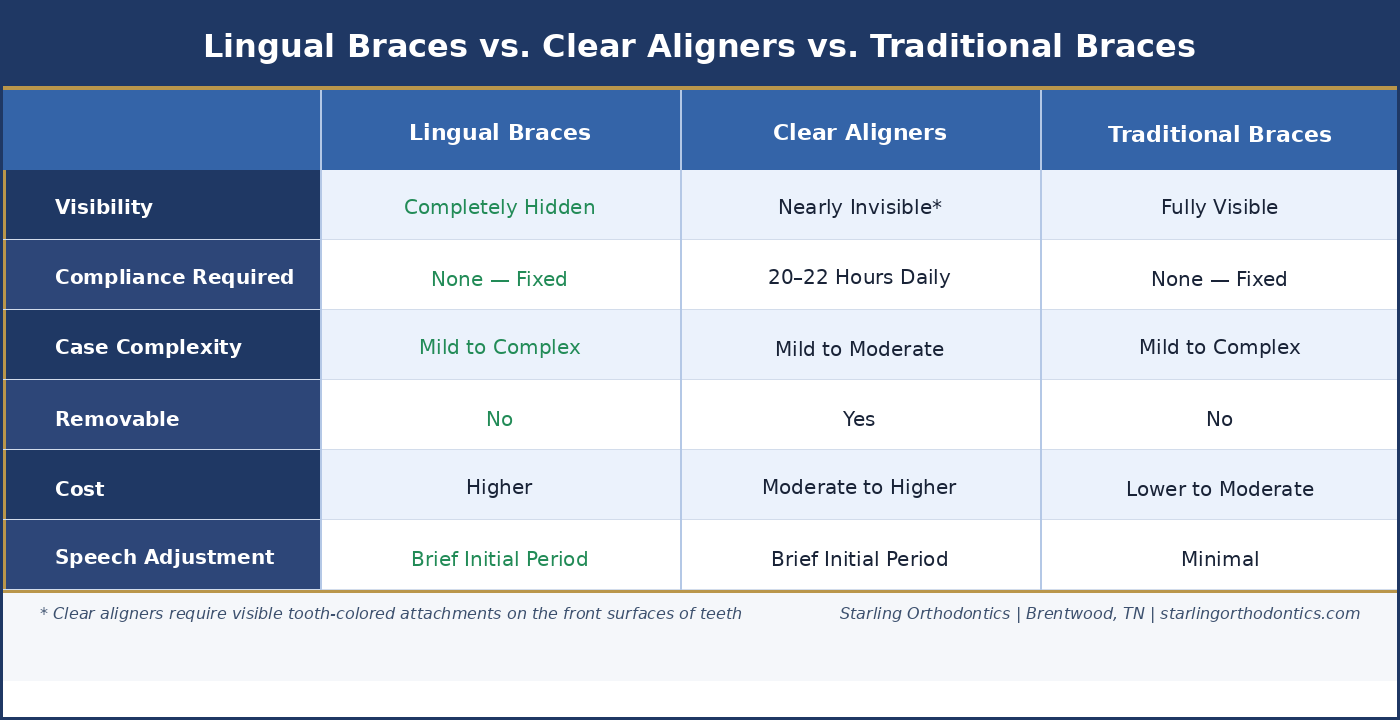
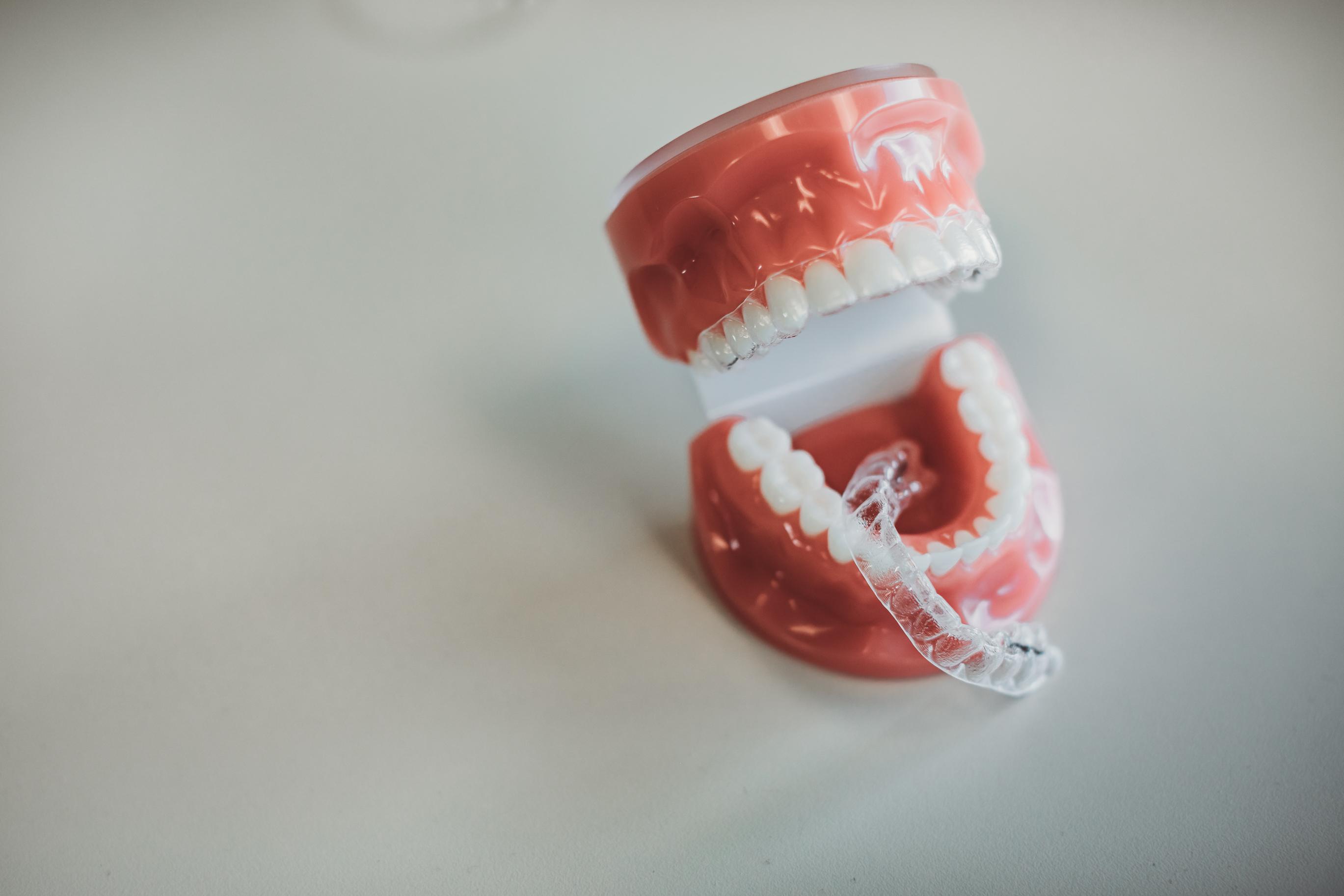
Clear aligners are an excellent choice for patients with mild to moderate crowding, minor spacing issues, and certain bite concerns within the range that removable trays can reliably address. They tend to work especially well for patients who are genuinely committed to wearing their trays 20 to 22 hours daily and who appreciate the flexibility of removing their appliance for meals and social events. Because aligners are removed for eating and oral hygiene, brushing and flossing follow a completely normal routine. This makes them a straightforward choice for patients who prioritize easy maintenance during treatment.
Lingual braces consistently outperform clear aligners in cases involving complex tooth movements: significant crowding, extraction cases, major rotations, detailed bite corrections, and situations requiring precise root control. Because they work continuously without any compliance variable, outcomes are more predictable across the full range of case complexity.
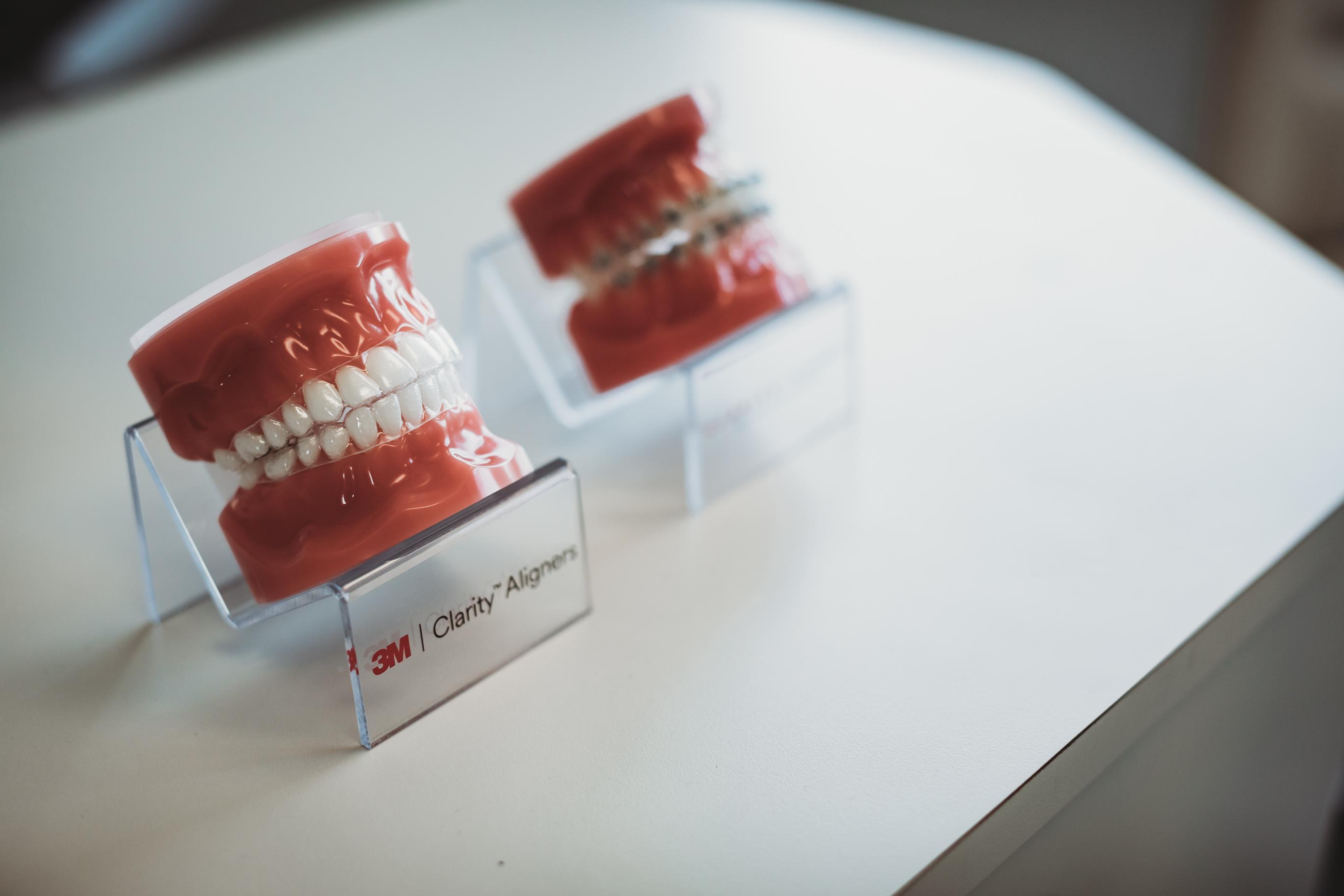
For adults in professional or public facing roles, lingual braces offer complete invisibility without daily management responsibility. For patients who have ruled out aligners due to compliance concerns, lifestyle demands, or case complexity, lingual braces aren't a compromise- they're the better tool for the job.
Read more on clear aligners vs lingual braces here.
Starting lingual braces involves a short adjustment period that most patients find more manageable than they expected. The tongue sits close to the lingual brackets initially, which can cause mild soreness and a temporary speech change, typically a slight lisp, in the first one to two weeks of treatment. Research published in the Journal of Orofacial Orthopedics found that most lingual braces patients reported significant speech improvement within two weeks of placement, with full adaptation typically occurring within four weeks.

At Starling Orthodontics, we have treated reporters, musicians, vocalists, attorneys, executives, and public speakers with lingual braces: Patients for whom speech precision is professional rather than merely personal. The adaptation period is real, but it is temporary, and in our experience the right patient preparation makes all the difference.
Maintaining excellent oral hygiene with lingual braces requires slightly more attention than with traditional braces, but it is entirely manageable with the right tools and habits.
We review oral hygiene at every adjustment visit at Starling Orthodontics and may recommend additional fluoride products or more frequent cleanings with your general dentist during treatment. Patients who maintain excellent hygiene throughout treatment consistently achieve the best final results.
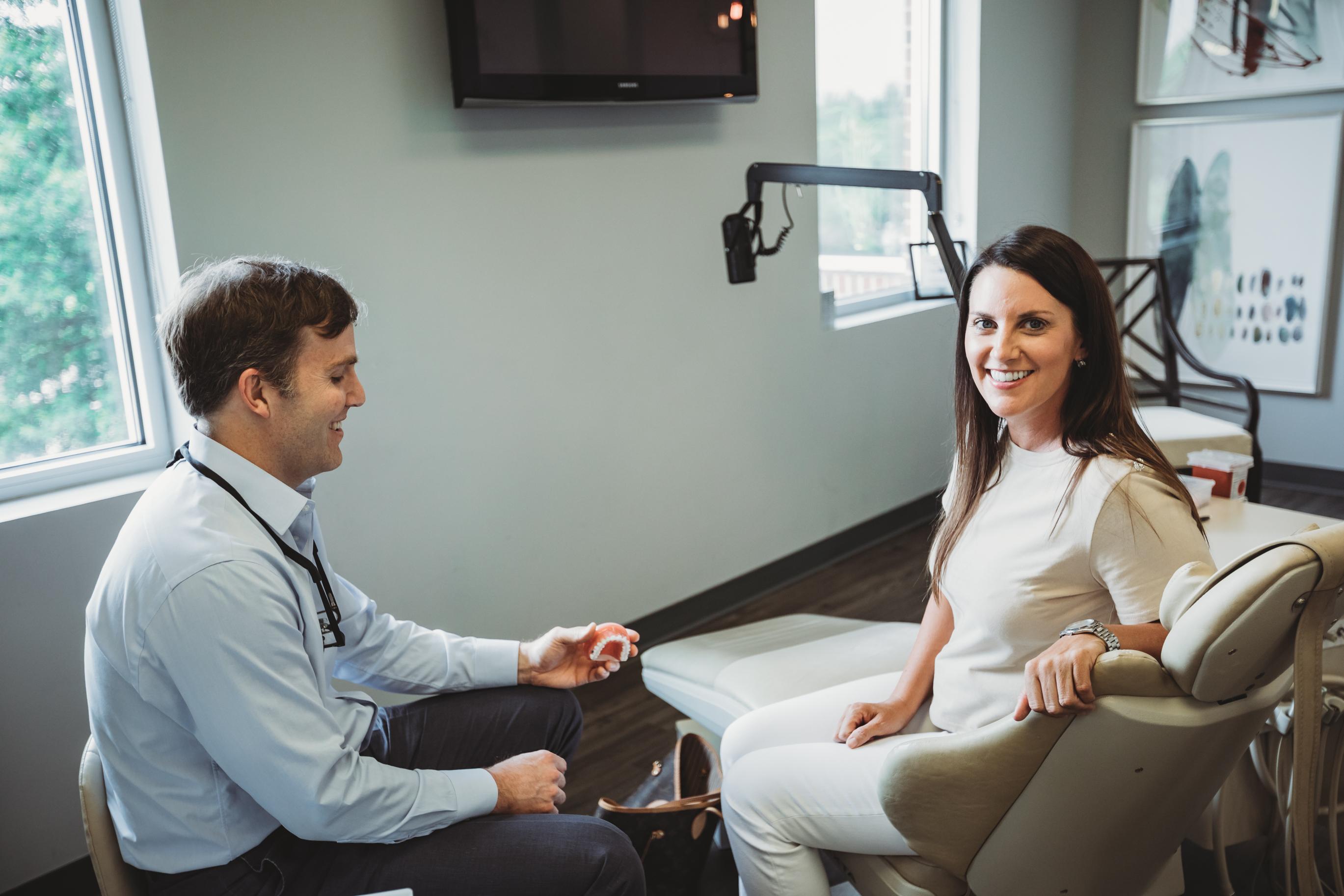
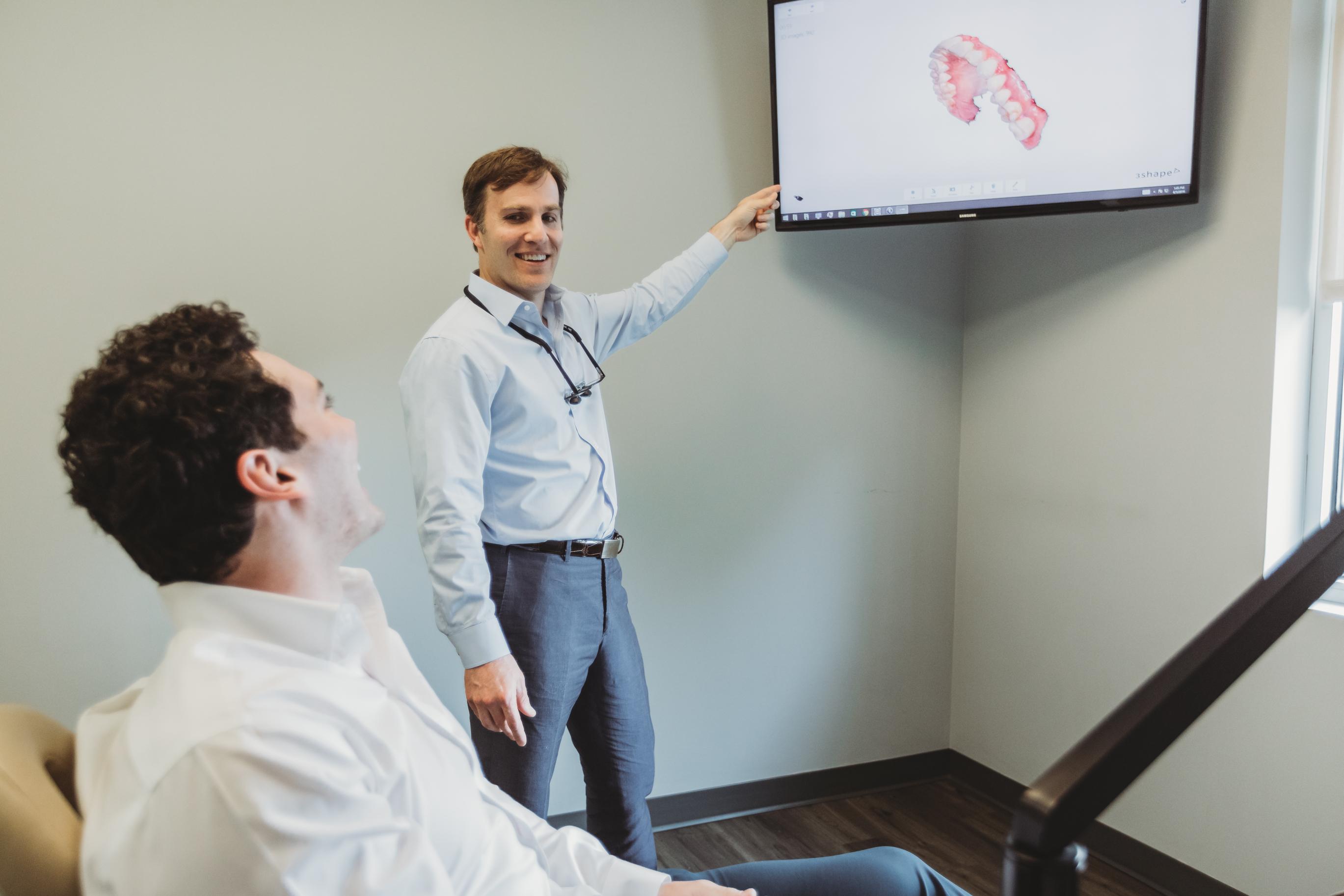
Lingual braces are an outstanding option for a wide range of patients, but they are particularly well suited for specific situations and lifestyles. During your free consultation, Dr. Starling will evaluate whether hidden braces are appropriate based on your specific teeth, bite, anatomy, and goals.
Generally, lingual braces do cost more than traditional metal braces or most clear aligner options, and it's important to understand why. The higher investment reflects three real factors:

At Starling Orthodontics, we offer flexible in-house payment plans, accept CareCredit®, and work with most PPO dental insurance plans. Many orthodontic insurance plans contribute $1,000 to $2,000 toward lingual braces treatment. Our team verifies your benefits before treatment begins so there are no surprises, and your free consultation includes a full fee discussion with no obligation to proceed.
Choosing the right provider for lingual braces matters more than it does for almost any other orthodontic treatment. The placement, adjustment, and finishing of hidden braces requires a level of technical precision and case experience that most orthodontists, even experienced ones, simply don't have. Here's what sets Starling Orthodontics apart:
Yes, lingual braces are bonded to the back of the teeth and are completely invisible from the front, side, and above in all normal social and professional interactions. Unlike clear aligners, there are no attachments or buttons on the visible front surfaces of your teeth.
No. A temporary lisp or speech change is common in the first one to two weeks as your tongue adapts to the bracket profile. Research consistently shows full speech adaptation within two to four weeks for most patients.
The discomfort profile is different rather than greater. Tongue soreness in the first few days is the most common complaint, and is manageable with orthodontic wax and over-the-counter pain relief. Most people report that after the initial adjustment period, lingual braces are no more uncomfortable than traditional braces.
Yes. This is one of their key advantages over clear aligners. Hidden braces can treat significant crowding, extraction cases, bite corrections, open bites, and cases requiring detailed root control. Dr. Starling has successfully treated cases ranging from simple cosmetic corrections to complex multi-disciplinary cases with lingual braces. Most bite problems are correctable with lingual braces.
Most lingual braces cases at Starling Orthodontics are completed in 12 to 30 months, depending on case complexity. Simple cases may finish in 12 to 18 months. Complex bite correction cases may require up to 36 months.
Yes. Every new patient at Starling Orthodontics receives a complimentary consultation including a full clinical examination, 3D digital imaging, and a personalized treatment discussion. There is no cost and no obligation to proceed.
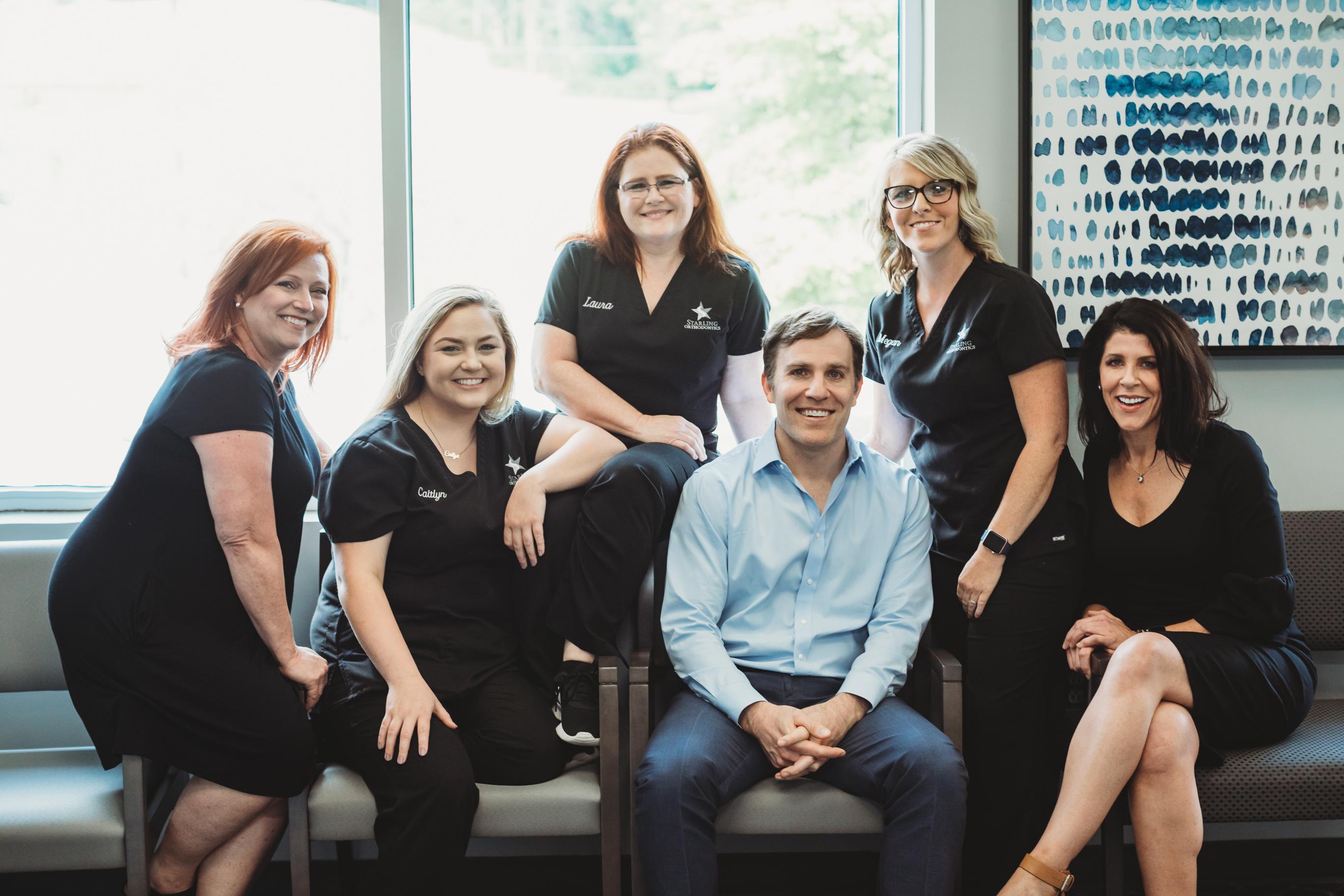
If you've been considering braces behind the teeth, whether you call them lingual braces, hidden braces, reverse braces, or invisible braces- the best next step is a conversation with an orthodontist who has actually placed hundreds of them. At Starling Orthodontics in Brentwood, TN, Dr. Starling has been doing exactly that since 2007.
Schedule your free consultation today: Call (615) 507-1660 or book online at starlingorthodontics.com. We serve patients from Nashville, Brentwood, Franklin, Nolensville, and throughout Middle Tennessee.

Please call (615) 507-1660 or click below to schedule a consultaion appointment online.

Please call (615) 507-1660 or click below to schedule your complimentary orthodontic consultation online.


