By Dr. Craig Starling, Orthodontist | Starling Orthodontics | Brentwood, TN
Follow this case study to show how we used a unique approach involving Lingual braces, ceramic braces, and TADs for an aesthetic, yet effective treatment to solve the problem.
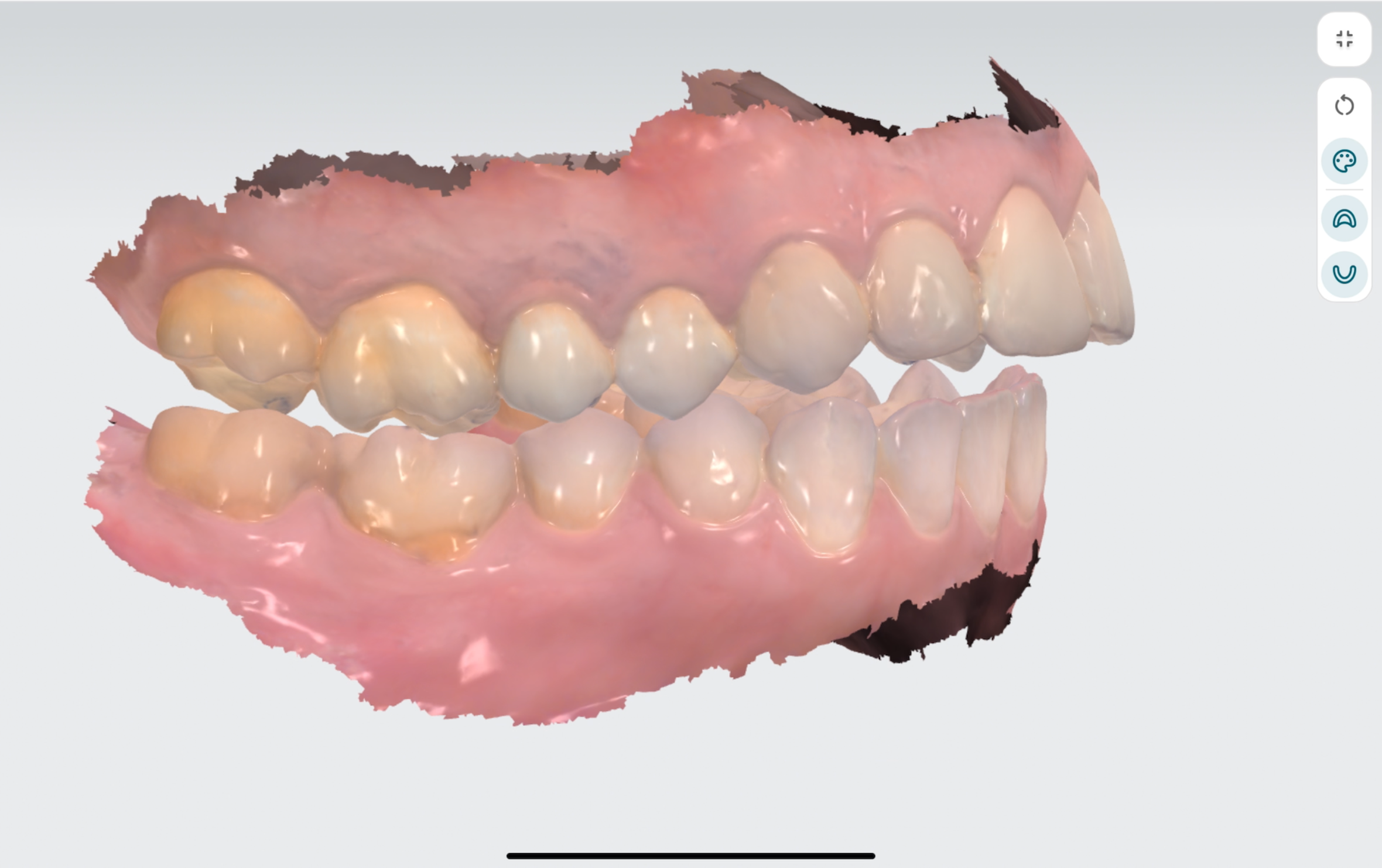
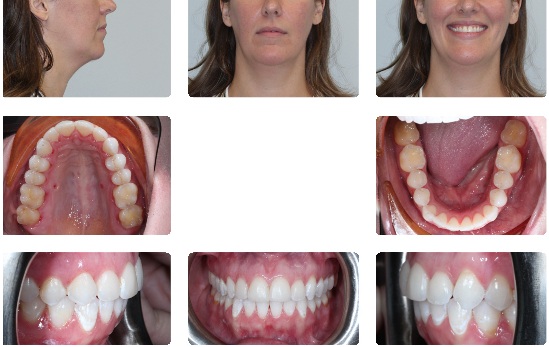
Not every case fits neatly into one system of braces, and this one is a good example of why. My patient came in with a posterior open bite: her back molars were the only teeth making contact when she bit down, which meant they were absorbing all of the force of chewing. Over time, that uneven load was wearing the back teeth down faster than they should. Left untreated, this pattern tends to get worse, not better.
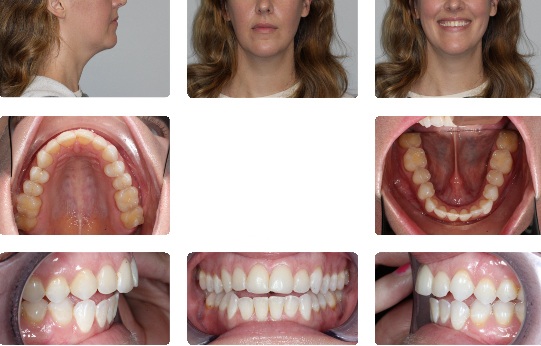
Correcting an open bite like this isn't just about closing a gap. It requires precise vertical control- intruding, or moving the back teeth upward, so the front teeth can come together. That combination doesn't always call for the same appliance on both arches. So instead of defaulting to one system for the whole mouth, I built a hybrid treatment plan around what each arch actually needed. Total treatment time for this case was just under 24 months from start to finish.
Hybrid orthodontic treatment is a treatment plan that uses two or more different appliance systems- such as lingual braces, ceramic braces, or clear aligners- at the same time, with each system placed on the arch or area of the mouth where it offers the most benefit. Instead of using one appliance for the entire mouth, a hybrid plan matches the tool to the specific problem each arch needs solved. This case used three components together: upper lingual braces, lower ceramic braces, and four temporary anchorage devices (TADs).
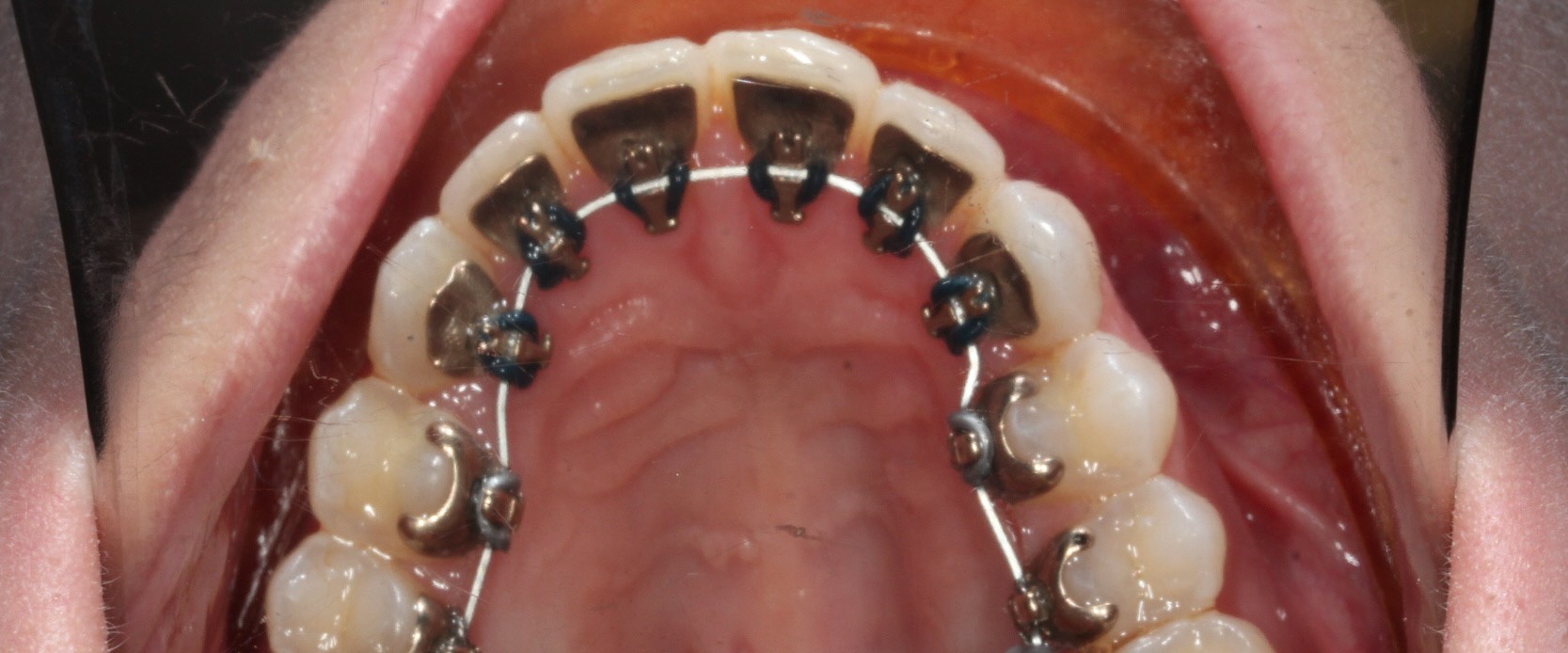
I used Incognito lingual braces on the upper arch, bonded to the back of the teeth and completely hidden from view. Lingual braces give me precise, tooth-by-tooth control over leveling and vertical positioning, which was exactly what this case required for the upper arch. Because each bracket is custom-fabricated to the exact position I plan digitally, I can control vertical movement with a level of accuracy that's difficult to match with a generic appliance.
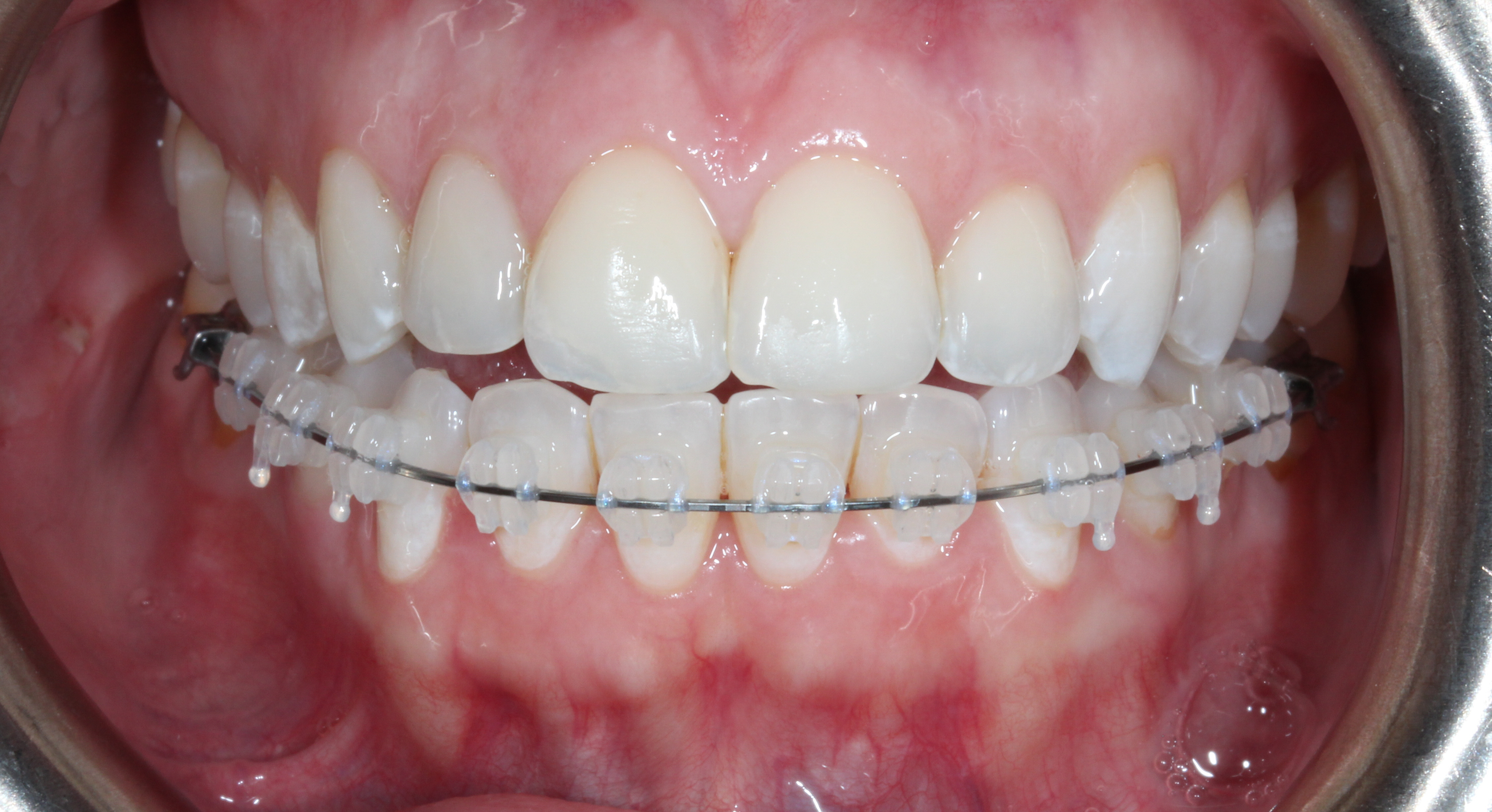
For the lower arch, I used 3M Clarity Advanced ceramic braces instead of a second set of lingual braces. There were three reasons for that choice, and I want to be straightforward about all of them:
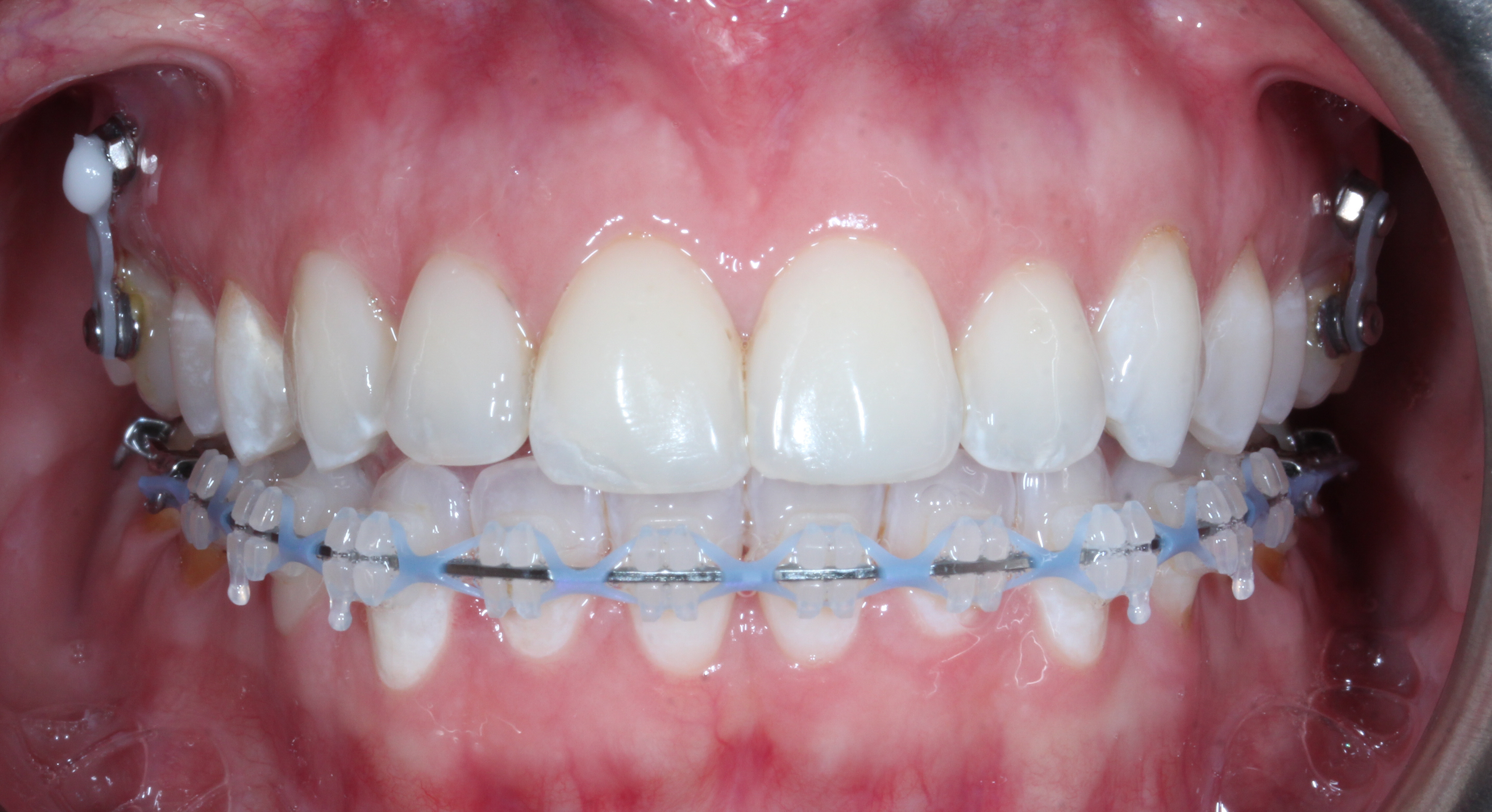
A temporary anchorage device, or TAD, is a small titanium screw placed temporarily in the bone to serve as a fixed anchor point. In this case, I placed four TADs in the upper arch: two on the buccal side (the outer surface, toward the cheek) of the upper back teeth, and two on the palatal side (the inner surface, toward the tongue) of the upper back teeth.
Those four anchor points let me intrude the upper posterior teeth- meaning I moved the upper back molars upward, toward the roof of the mouth. Since the back teeth were the only ones making contact before treatment, intruding them created room for the front teeth to come together and close the open bite. This is difficult to achieve with braces alone, because braces typically move teeth against each other rather than against a genuinely fixed point. The TADs gave me that fixed point, which was the key mechanical piece of closing this bite rather than just masking it.
TADs are placed in a short in-office procedure with local anesthetic, and most patients describe the sensation as similar to a routine dental injection. It is important to note that they're removed once they've done their job; they are not a permanent implant.
It's also worth noting what TADs helped this patient avoid. Open bites this pronounced are sometimes treated with jaw surgery or tooth extractions to create the correction. Because the TADs gave me a fixed anchor point to intrude the posterior teeth directly, we were able to close this bite with braces and TADs alone- no surgery and no extractions required.
I get this question often enough that it's worth answering directly, outside the context of any one case. A TAD is not a dental implant and it's not permanent. It's a temporary fixed point that lets me move teeth in directions or with a level of control that braces alone can't achieve. Most often for cases involving open bites, significant vertical corrections, or space closure where anchorage would otherwise be a limiting factor.
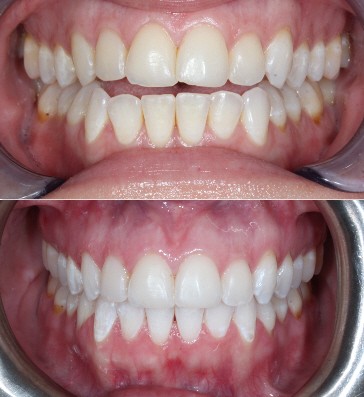
Frontal view
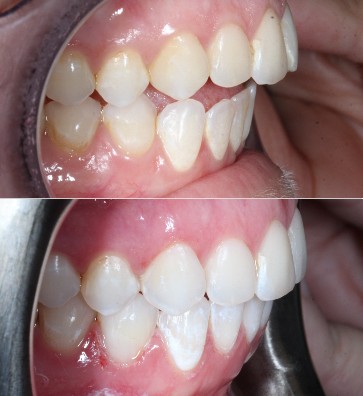
Right side view
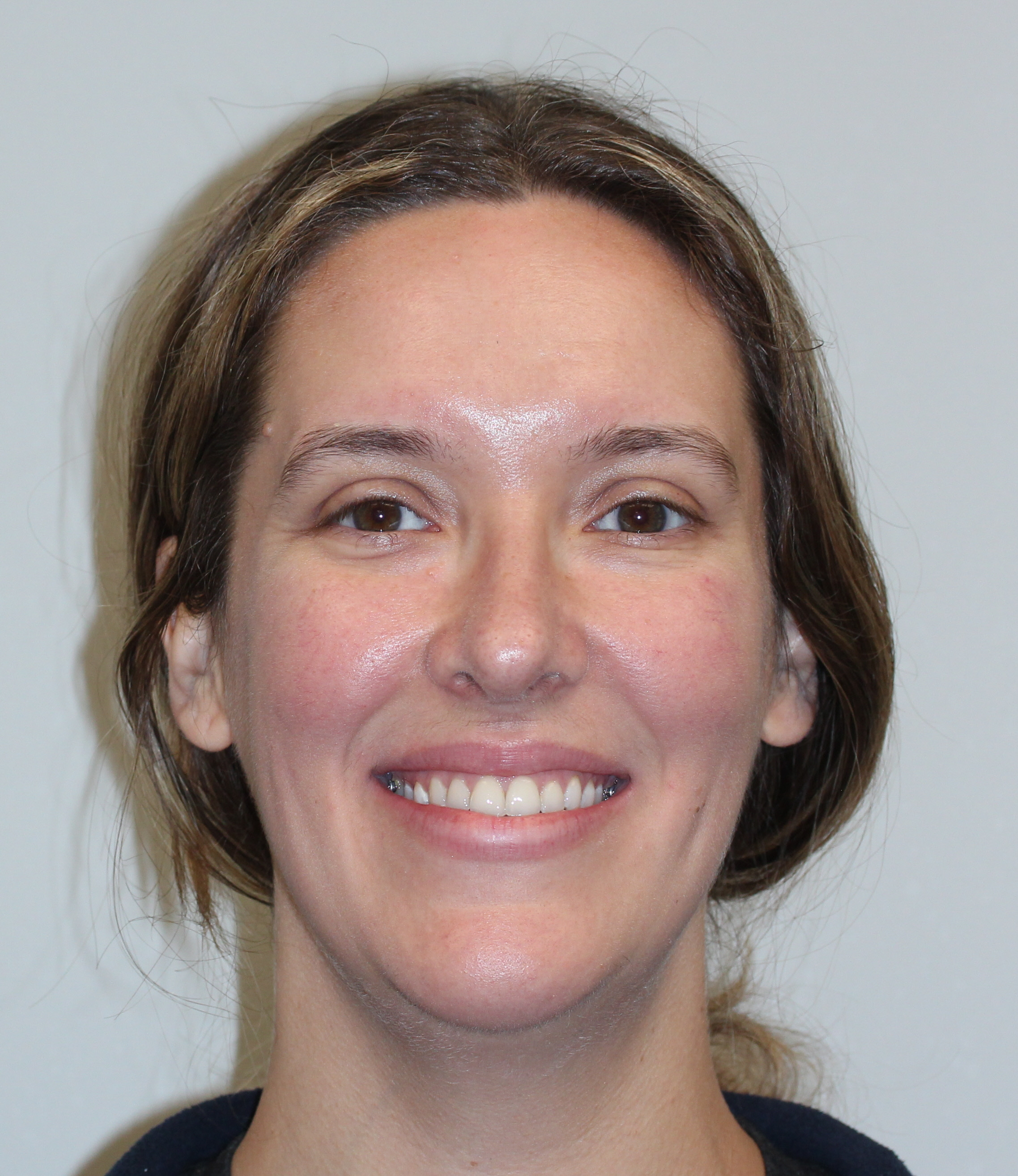
Every case that walks into my office comes with its own combination of bite issue, tooth position, and patient priorities around comfort, appearance, and budget. Defaulting to a single system regardless of those variables tends to mean compromising on one of them more often than necessary. I'd rather build the plan around what the case actually calls for than force it into a one-size-fits-all appliance choice.
For the patient, this doesn't add complexity day to day. It's the same number of adjustment visits and the same basic routine, regardless of which appliances are involved. The difference shows up in the planning, not in what treatment feels like from the chair.
A combination plan tends to make sense when:
The only way to know if this applies to your case is a full evaluation, since every bite is different.
The placement is done with local anesthetic, and most patients report only mild soreness for a day or two afterward -comparable to any minor dental procedure.
Hybrid orthodontic treatment combines two or more appliance systems- such as lingual braces, ceramic braces, clear aligners, or TADs- in a single treatment plan, using each one where it provides the most benefit rather than relying on a single system for the whole mouth.
Yes. Using different appliances on the upper and lower arches is a standard orthodontic approach when each arch has different needs. The two systems work independently and don't interfere with each other's movement.
Treatment time depends on the complexity of the bite correction, not on the fact that two systems are being used. This particular case, which involved intruding the upper posterior teeth to close an open bite, took just under 24 months from start to finish. Open bite cases involving vertical correction often take longer than simple crowding cases regardless of which appliances are used.
Coverage varies by plan. Our team verifies benefits before treatment begins and will let you know what to expect out of pocket.
Not necessarily. In this case, using ceramic braces on the lower arch instead of a second set of custom lingual braces actually helped keep the overall cost down while still meeting the clinical goals for both arches.
If you're dealing with an open bite, uneven wear on your back teeth, or a bite that doesn't seem to close the way it should- I'd encourage you not to wait. These patterns tend to progress. Schedule your free consultation today: call (615) 507-1660 or book online at starlingorthodontics.com. We serve patients from Nashville, Brentwood, Franklin, Nolensville, and throughout Middle Tennessee.

Please call (615) 507-1660 or click below to schedule a consultaion appointment online.

Please call (615) 507-1660 or click below to schedule your complimentary orthodontic consultation online.


