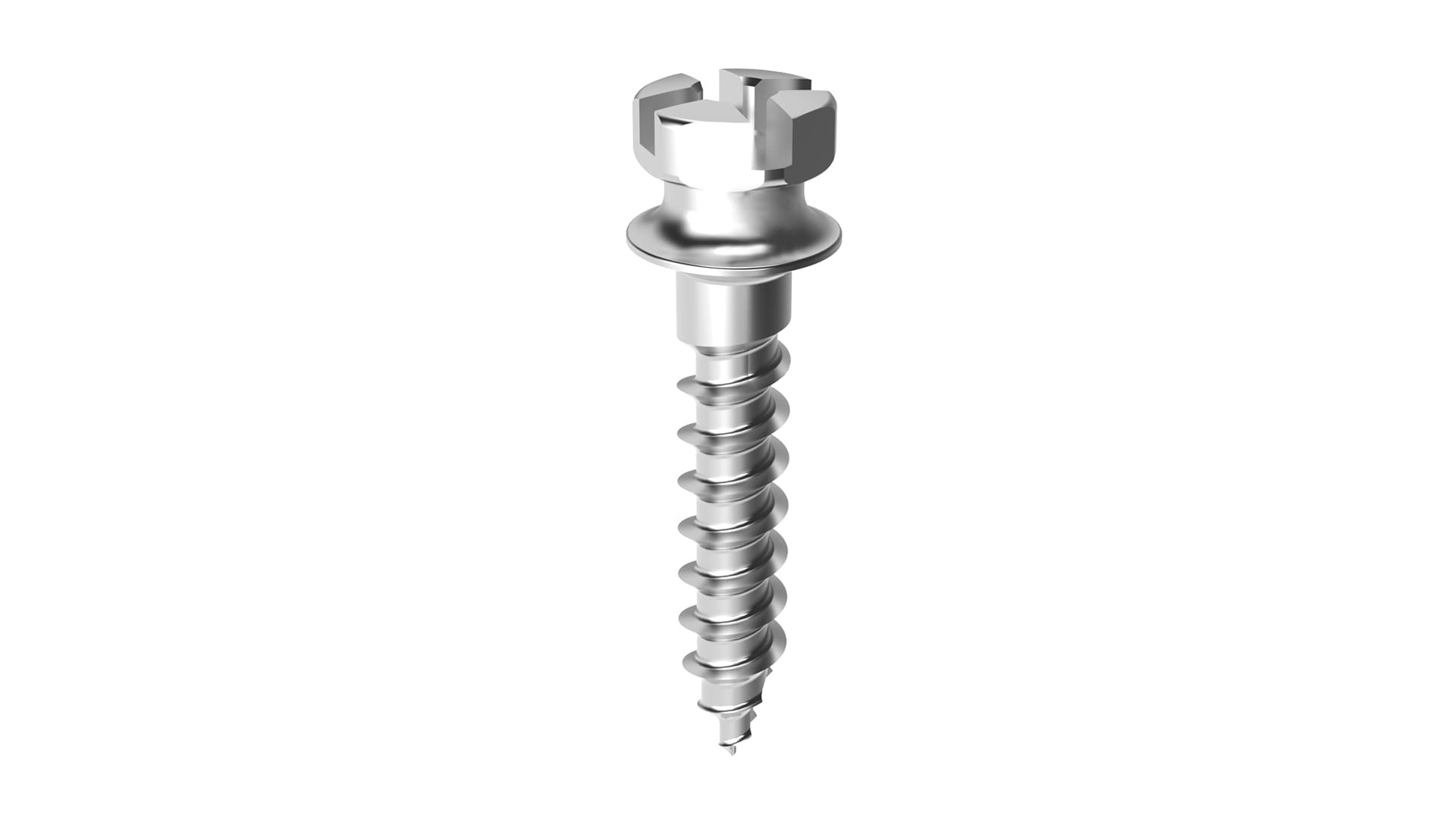
If you’re exploring orthodontic treatment and wondering whether a temporary anchorage device could help solve your bite or tooth problem, you’re in the right place. TADs are tiny titanium or surgical grade stainless steel screws used during treatment to help shift teeth with more precise control than traditional methods allow. They’re common in modern orthodontic care and can reduce the need for headgear or even jaw surgery in many cases. This guide is written for patients considering braces or clear aligners who want to understand how TADs work.
I have personally placed hundreds of TADs, and I do find them to be quite helpful in improving my treatment results- making treatment more conservative, and less invasive. Check the FAQ at the bottom for quick answers.
A TAD is a small, medical-grade titanium mini-screw temporarily placed in the jawbone to serve as an anchor point during orthodontic treatment. TADs are placed directly into the jawbone, which allows your orthodontist to apply force to a stable, non-moving, and predictable anchor, providing enhanced control during treatment.
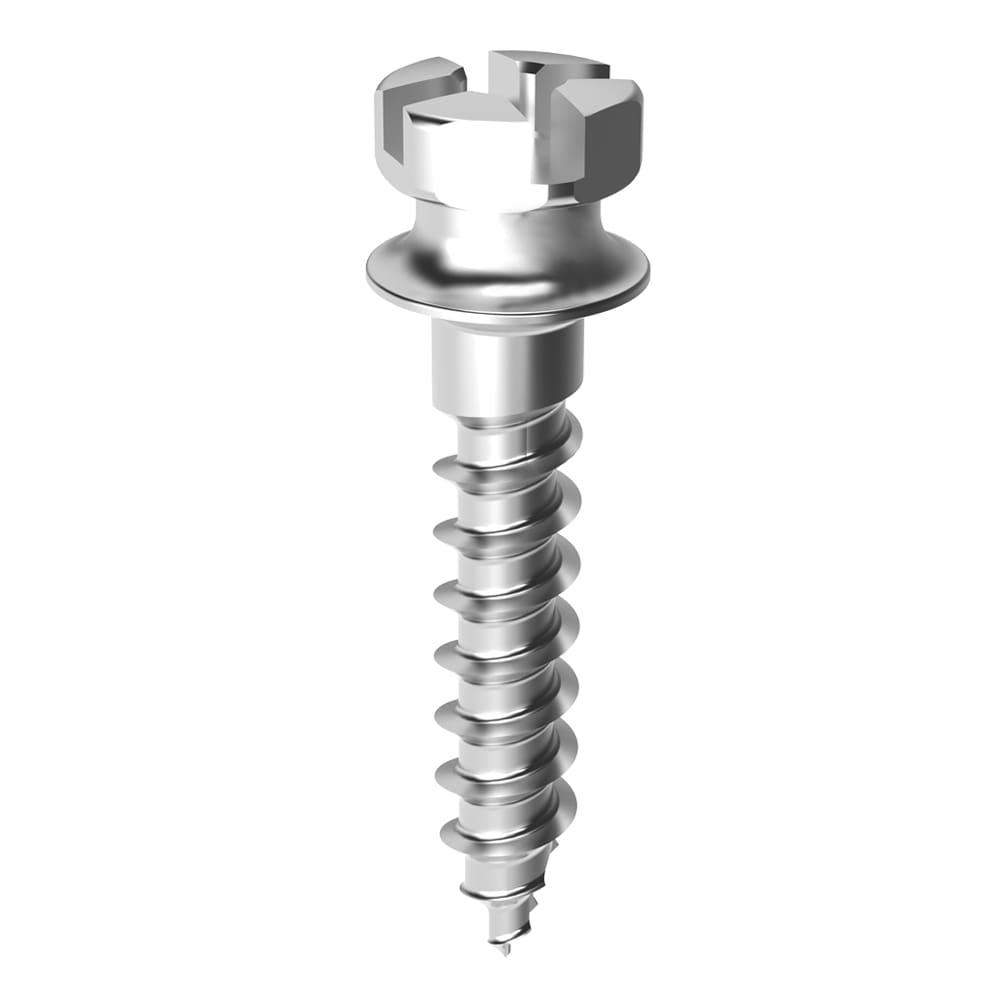
By providing a fixed point in the mouth, TADs enable orthodontists to achieve refined and controlled movements, expanding treatment options for complex cases.
Traditional "anchorage" uses other teeth, headgear, or elastics (rubber bands)-which can cause unwanted movement of anchor teeth. TADs work by anchoring directly in bone, offering a stable foundation.
TADs are employed as a discreet alternative to bulky, extraoral devices like headgear. The use of TADs allows for more precise control over tooth movement, and they reduce reliance on patient compliance. In my opinion, they are way more effective than most other orthodontic alternatives.
Example: Using a TAD to move molar teeth forward without bringing the front teeth backwards to close a space for a congenitally missing tooth.
TADs aren’t for every patient, but they’re powerful for specific problems that braces alone can’t fix predictably. TADs can help correct complex orthodontic issues such as severe malocclusions and complex bite problems.
TADs help correct severe jaw and alignment discrepancies, potentially avoiding invasive surgery. They can also treat poor spacing of teeth, crowding, and jawbone problems. In many cases, TADs can significantly reduce treatment time by allowing more direct tooth movement.
Depending on the severity of the bite problem, this may be a possibility. Typically things such as:
Please keep in mind this will largely depend on the situation and how bad the jaw discrepancy is. Because TADs only move teeth, large discrepancies will still require jaw surgery as the best, most predictable option. However, everyone is different- so we would need to assess your individual situation before deciding what route is best.
The placement of a TAD is a minor oral surgery procedure that typically requires a local anesthetic for numbing the area. The process generally occurs in three stages: consultation, surgery, and removal-with the surgery itself being quick and minimally invasive. The actual placement typically takes less than a minute.
Most patients feel slight pressure rather than pain. After the TAD is placed, you may experience mild soreness, which typically subsides within 24-72 hours. Over-the-counter acetaminophen or ibuprofen usually helps.
Any pain and discomfort is typically way less than the first few days of new braces. Some initial soft tissue irritation is possible, but things usually adjust quickly as with anything new in your mouth.
TADs stay in for several months to over a year, monitored at follow up appointments.
Removal is quick-often no anesthesia needed. Most patients report feeling only brief pressure and experience minimal discomfort afterward.
Maintaining good oral hygiene is crucial around TADs to prevent infections and inflammation due to their protrusion through the gums.
Proper aftercare includes:
In most instances, TADs stay stable and comfortable when patients maintain good brushing habits.
Not every patient needs a TAD-the decision depends on your specific bite, tooth positions, and treatment plan. TAD placement requires extreme precision to avoid perforating adjacent anatomical structures, so careful planning is essential.
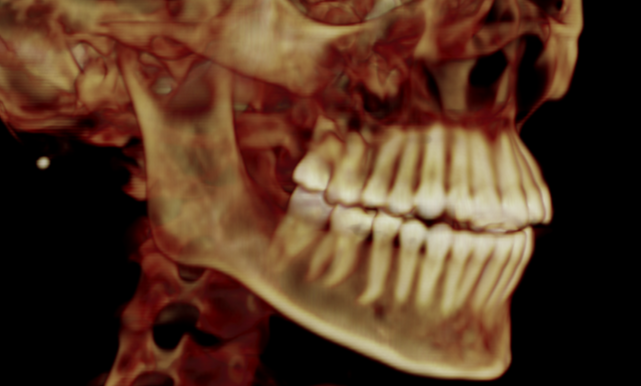
Failure rates for TADs generally range between 11% and 30%, influenced by factors such as poor bone density or excessive loading-which is why proper evaluation matters. However, When a TAD comes loose, replacing it is typically no big deal.
Schedule an appointment today with me for a personalized evaluation to see if a TAD could help achieve optimal results in your treatment.
These examples show how TADs work in everyday orthodontic care at my office:
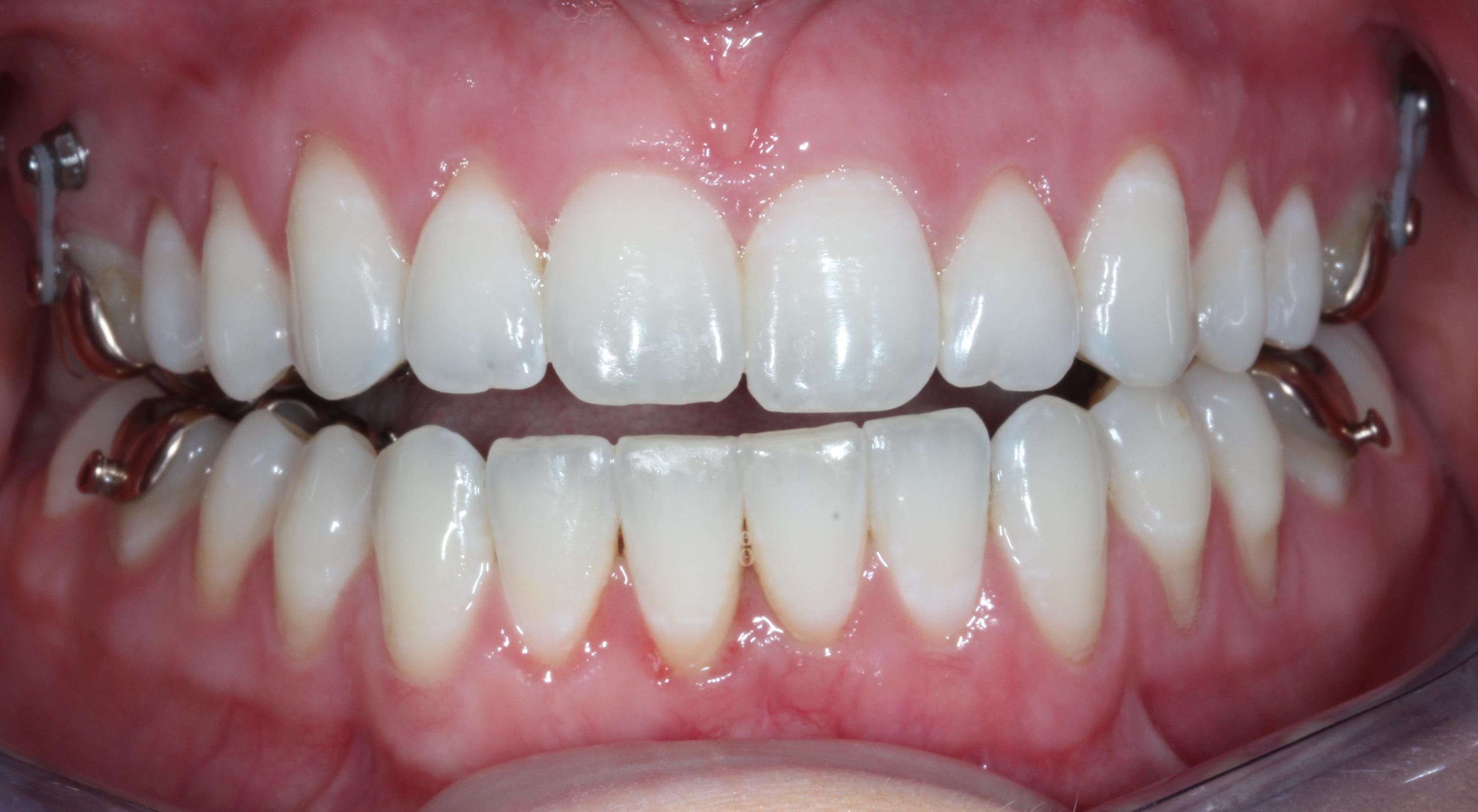
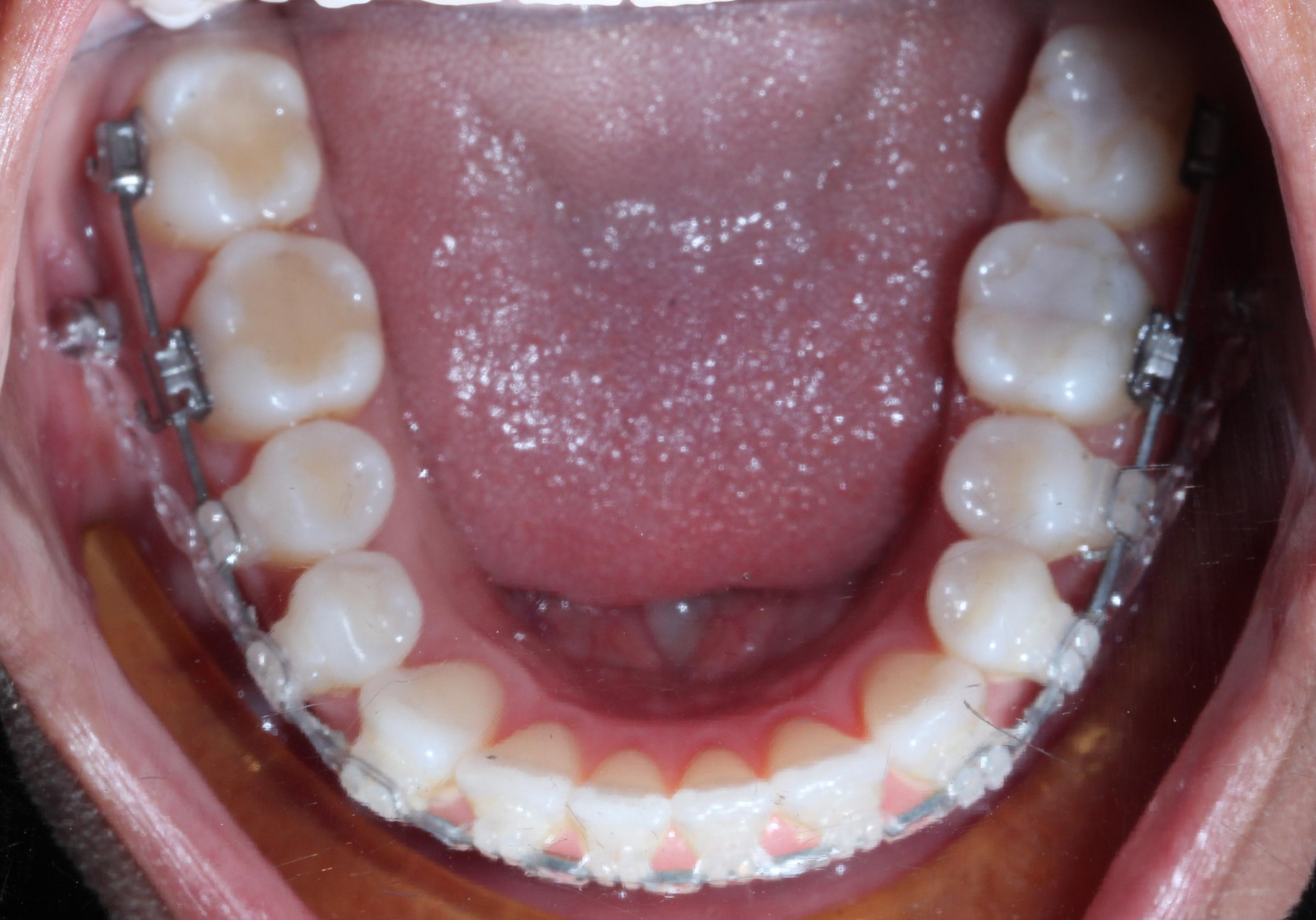
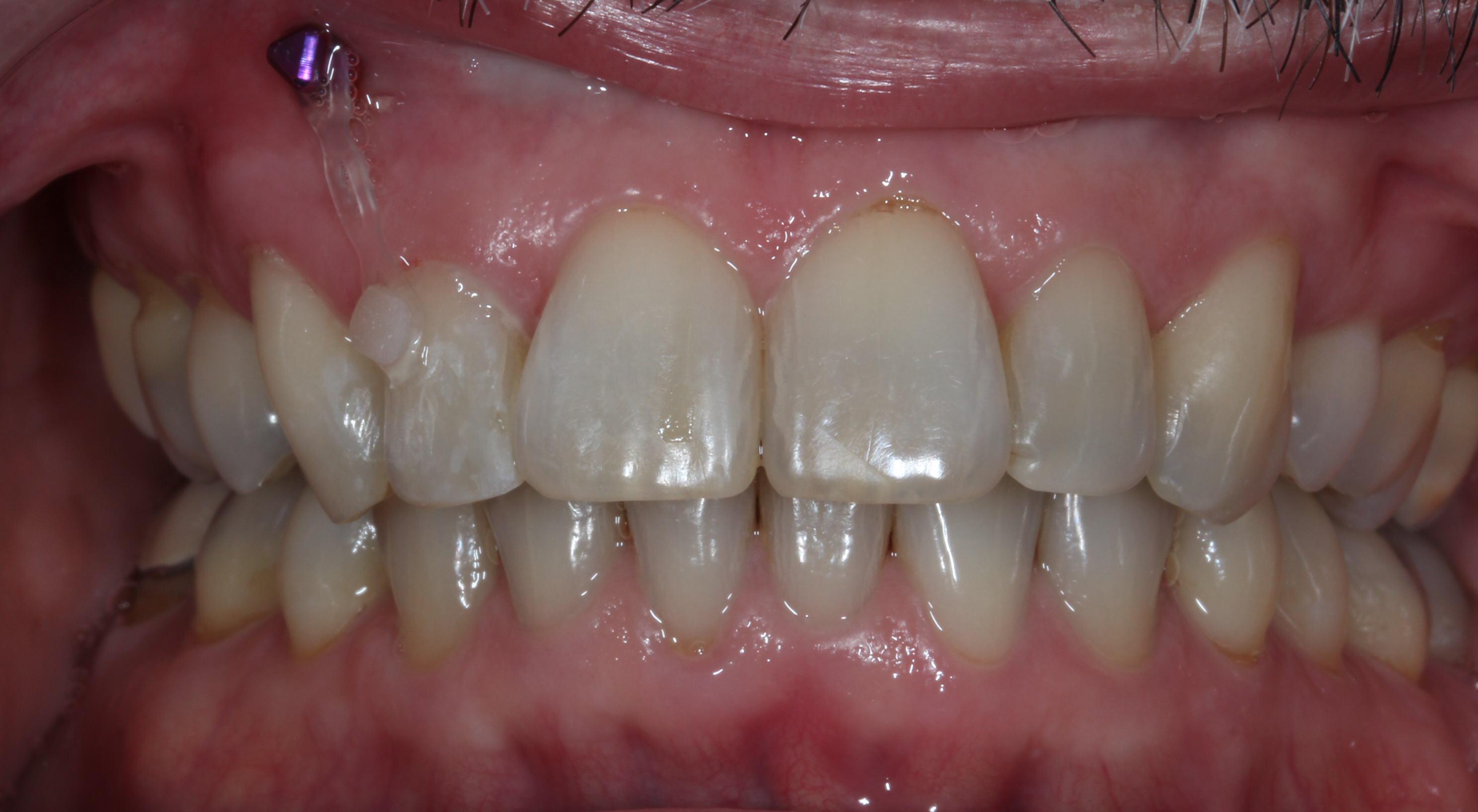
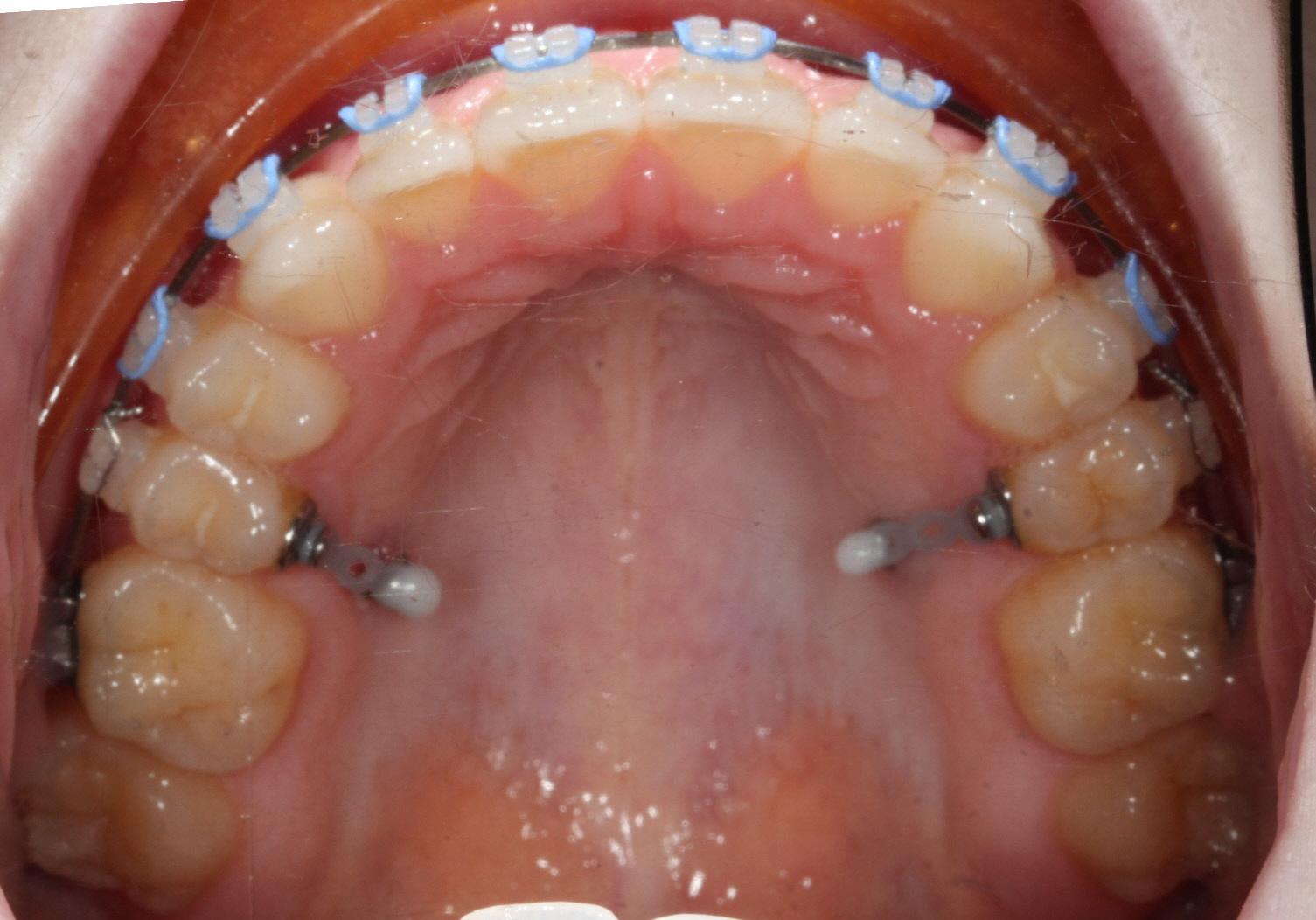
Outcomes depend on each person’s unique situation, but these cases demonstrate the benefits and range of what temporary anchorage can help us achieve.
Will getting a TAD hurt? Local anesthesia is used to numb the area. Most patients feel pressure rather than pain, with mild soreness for a day or two. Discomfort is significantly less than you think- and usually even less than the first week of braces. There are no nerve receptors in bone which is key for understanding why this is so.
Are TADs safe? Made of biocompatible titanium or stainless steel and are widely used in orthodontics,. Complications are very rare when placed and cared for properly.
Will I feel the TAD all the time? It may feel strange initially, but most patients forget it’s there within days.
Can I eat and speak normally? Yes-avoid chewing directly on the TAD area at first and be cautious with hard foods. It will have no impact on speech.
How long will my TAD stay in? Depends on your treatment plan-typically several months to over a year.
What if a TAD gets loose? It’s usually not an emergency. We’ll see you promptly and can reposition or replace it if needed.
Are TADs used with braces or aligners? Both-TADs offer additional support with metal braces, ceramic braces, lingual braces, or clear aligners.
How much does a TAD cost? Costs vary by case. Contact our practice so we can review your benefits and provide a clear estimate.
Have more questions? Call or request an appointment today to discuss whether a TAD could be the perfect solution for your orthodontic progress. As your doctor and orthodontist, I’m here to help you achieve the smile you deserve.

Please call (615) 507-1660 or click below to schedule a consultaion appointment online.

Please call (615) 507-1660 or click below to schedule your complimentary orthodontic consultation online.


