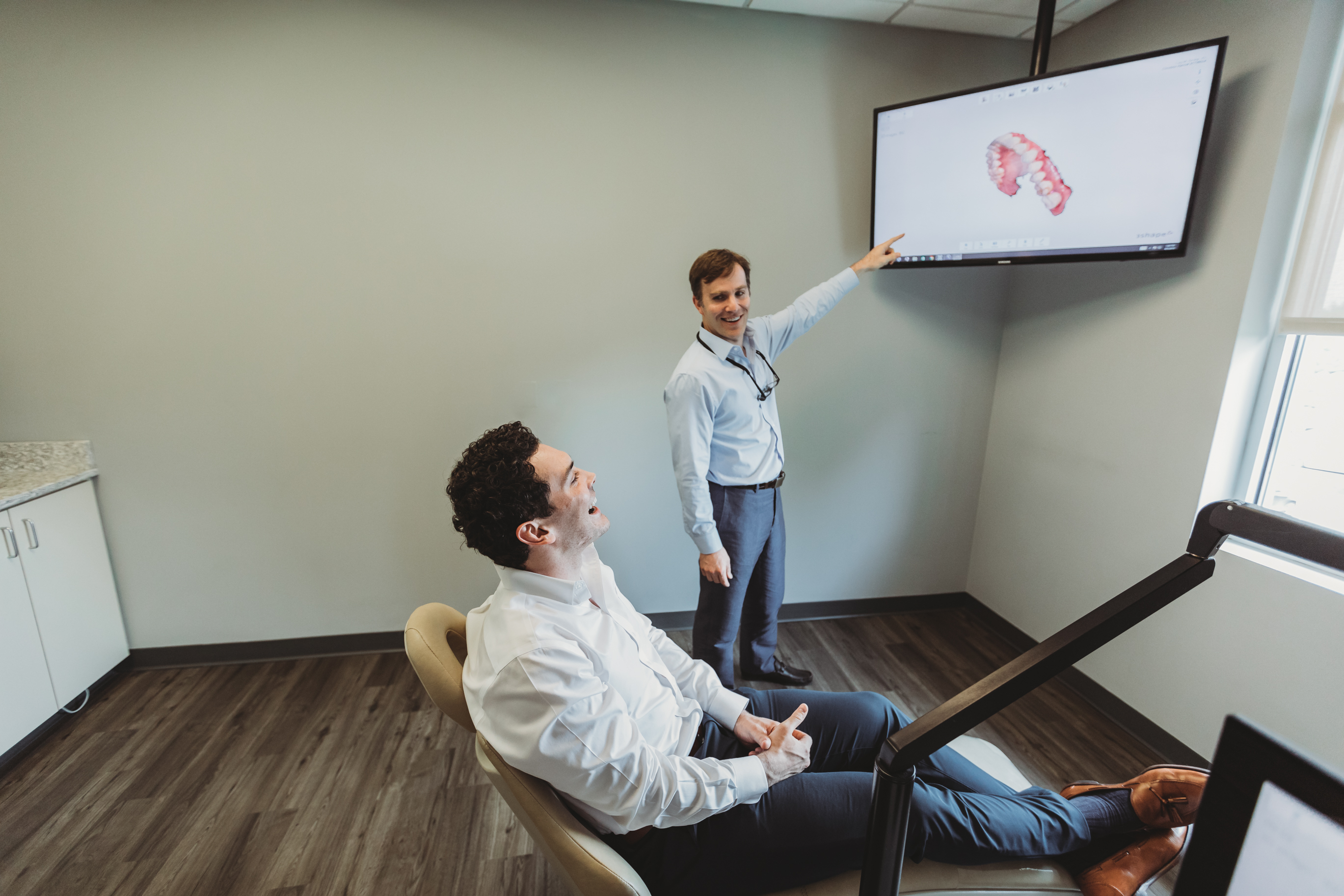
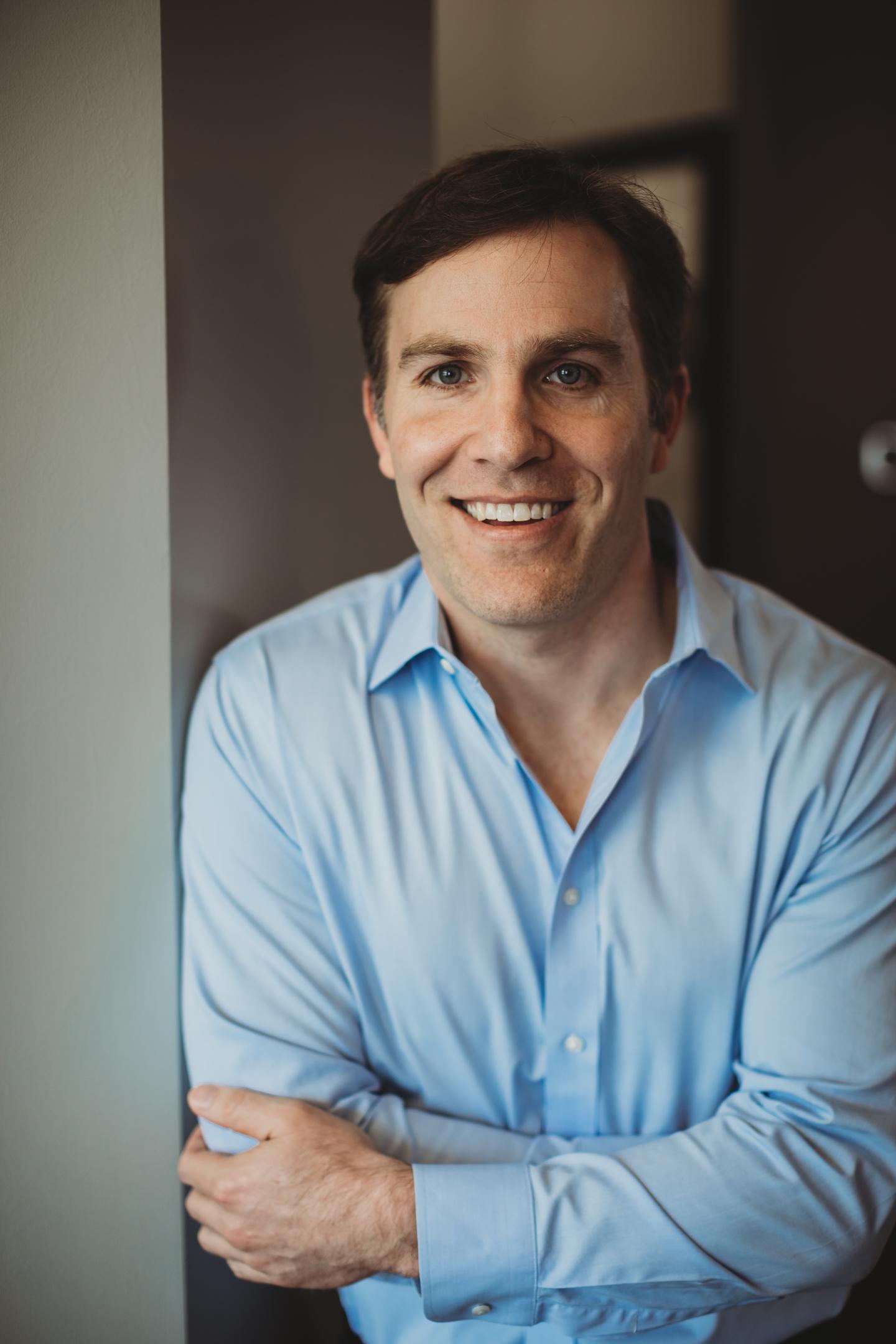
As an orthodontist at Starling Orthodontics in Brentwood, Tennessee, I field questions about lingual braces almost daily. I have personally treated hundreds of lingual braces patients over more than a decade and have worked with multiple generations of lingual technology, including iBraces, Incognito, and WIN.
These appliances are placed on the back of teeth, making them virtually invisible and a highly aesthetic orthodontic treatment option for many patients seeking a straighter smile. Unlike conventional braces bonded to the front, lingual braces sit behind the teeth, positioned closer to the tongue, which is what makes them such an appealing option for adults and professionals.
The lingual braces market has shifted dramatically. Two major brands, Incognito and InBrace, were discontinued in 2025, leaving several factors for practices and patients to weigh when choosing a system. Lingual braces can cost as much as $10,000, and treatment with lingual braces typically lasts 18 to 36 months, so selecting the right brand matters. Here's my current assessment of every system available in the USA.
When recommending lingual appliances, I consider several criteria. Lingual braces can be customized using CAD/CAM technology, and the best systems use a digital setup to program desired movements with precision. Not all orthodontists are certified to place lingual braces, so training requirements and manufacturer support weigh heavily. I also evaluate custom design capabilities, bracket profile (lower means less tongue irritation), suitability for complex cases, braces cost, and how well the system helps patients maintain oral hygiene, since cleaning can be a little more challenging with lingual braces due to their placement. Specialized orthodontic tools may be needed.
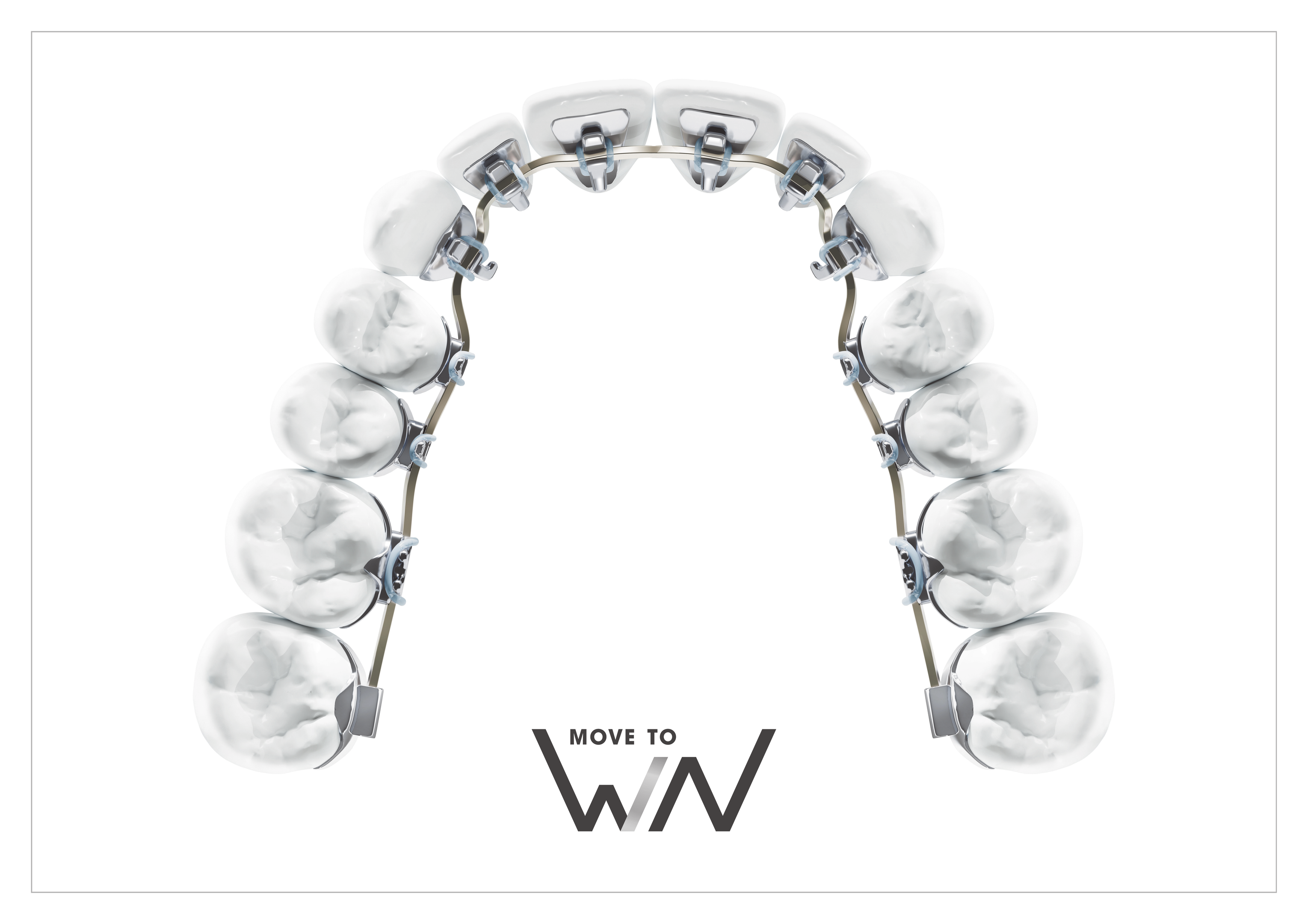
In my experience, WIN currently represents the strongest overall lingual braces option available in the United States. Known for precise customization and excellent clinical outcomes, WIN offers a superior solution for a wide range of orthodontic issues. At Starling Orthodontics, this is our lingual braces system of choice.
Dr. Dirk Weichmann, a German Orthodontist founded both Incognito and now WIN Lingual Systems. He has dedicated his professional life to lingual braces, is an active professor in orthodontics in Europe, maintains a busy private practice in Germany, and has published extensively on the topic of lingual braces.
WIN braces use advanced CAD/CAM technology to create customized lingual brackets and wires that achieve a custom fit, minimizing discomfort and optimizing tooth movement. Custom made lingual braces minimize discomfort during treatment, and the system delivers a precise result. The customization piece addresses the speech impairment and pressure sores that are common concerns in lingual orthodontics. The result is a perfect solution for patients who want discreet orthodontic care without compromise. Research published in the European Journal of Orthodontics and by the Angle Orthodontist has supported the clinical effectiveness of well-designed lingual systems like WIN.
Orthodontists who treat diverse patient bases, including those with complex bite problems and dentofacial orthopedics needs will find WIN ideal. Lingual braces are effective for complex orthodontic issues including severe crowding, extraction cases, impactions, leveling (ie overbite cases), open bites, and root torque demands.
InSmile offers a modern lingual orthodontic treatment emphasizing digital customization and patient comfort. Its Smartwire technology and indirect bonding trays enable discreet orthodontic treatment with reduced chair time. Patients adapt to InSmile within one to three weeks in most situations, and treatment durations range from 18 to 36 months depending on complexity. The system is designed to reduce irritation to soft tissues and the tongue.
Brava by Brius is a newer player using Independent Mover technology, where each tooth moves independently rather than through a continuous archwire. Many patients find this approach results in efficient treatment; often 12 to 18 months. The system addresses various orthodontic issues and bite problems through digitally planned force vectors. Because lingual braces work differently than labial systems, patients find the adaptation period manageable, though they may cause more tongue pain than labial braces initially.
SureSmile combines advanced digital treatment planning with robotically bent wires to deliver efficient, predictable results.
The system optimizes brackets and wire placement to facilitate quality results with high tech digital treatment planning and design. Typically the setup involves a tray for indirect-bonded stock lingual braces with a customized robotically bent wire. Its integration with SureSmile's lab infrastructure means consistent quality, though orthodontists must be skilled in the lingual brace technique.
STb Social Six remains a choice for orthodontists looking for a lingual solution focused on the anterior "social six" teeth-a good candidate for patients with mild alignment concerns wanting discreet treatment. Setups are done with a laboratory and are mainly intended for mild cases.
eBrace is a system manufactured in China that has gained some attention internationally, including discussion in orthodontics Australia circles, though its U.S. availability and clinical data remain more limited. It also has CAD/CAM design involvement in manufacturing.
Custom lab fabricated lingual braces continue to offer maximum flexibility. These systems benefit orthodontists who prioritize tailored treatment plans but require longer turnaround times and may involve higher braces cost overall. They remain relevant for unique case presentations where off the shelf options fall short.
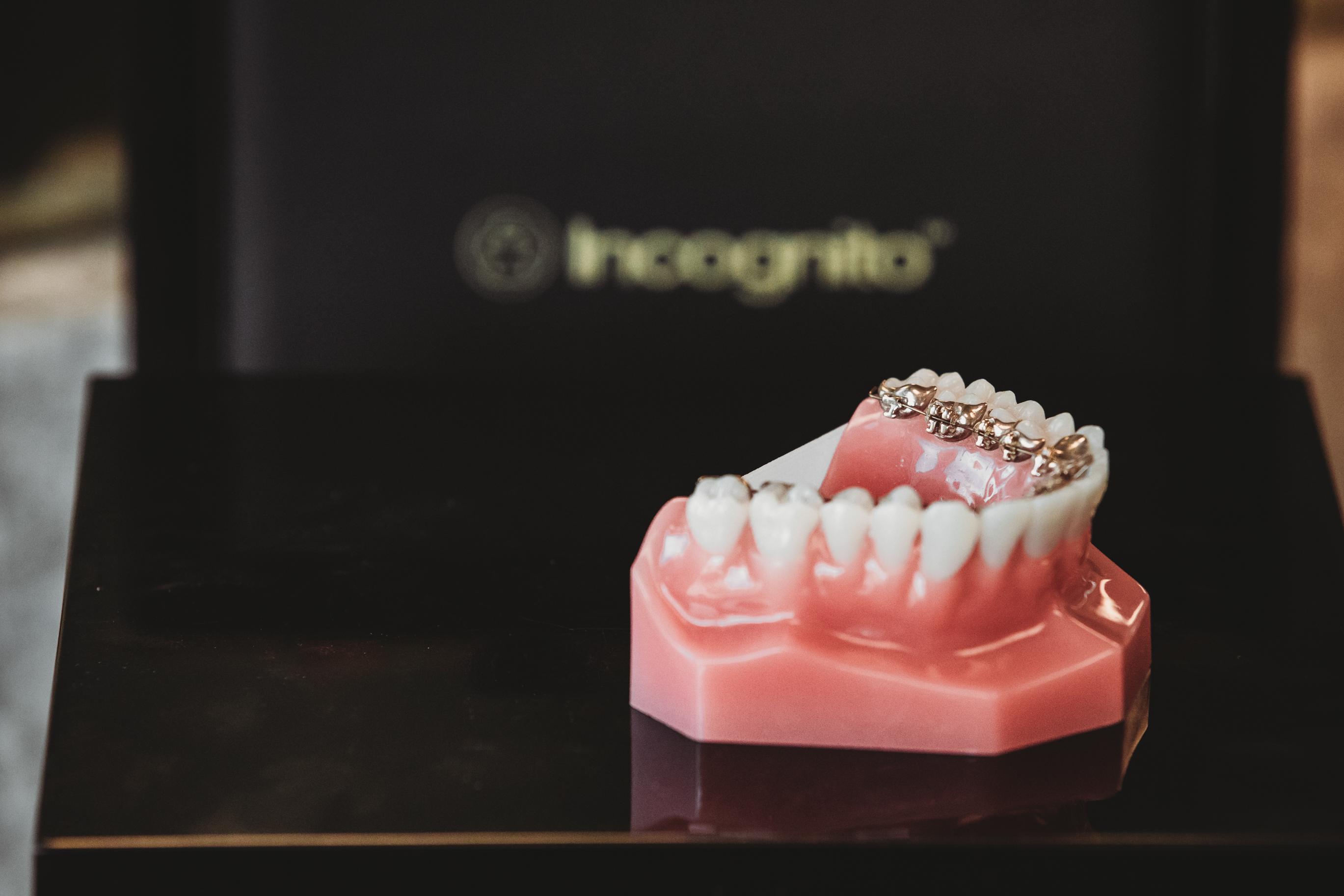
Practices previously relying on Incognito or InBrace have likely transitioned to other systems at this point.
While technology matters, the experience of the orthodontist remains the single most important factor in achieving an excellent result with lingual braces. At Starling Orthodontics, we have successfully treated hundreds of patients using multiple generations of lingual braces systems and continue to offer one of the most experienced lingual braces practices in Tennessee. If you're considering hidden braces, we'd be happy to discuss whether lingual orthodontics is the right fit for your smile goals during a complimentary consultation.
A temporary lisp or slight lisp is common initially-most patients report improved speech performance within two weeks. Wearing lingual braces requires attention to proper oral hygiene and oral health: use a water flosser, orthodontic wax for any irritation, and eat soft foods during the first few days to protect soft tissues. These steps help prevent plaque buildup and support long term success. Those who play musical instruments may need a brief adjustment period, but patients adapt quickly.
Unlike conventional braces and traditional braces on the front, lingual systems are invisible braces that offer many advantages, with the key advantages being aesthetics and effectiveness. Insurance coverage varies, so check your plan. Lingual braces are less visible than conventional braces and traditional metal braces, which makes them the most discreet orthodontic treatment available for achieving a beautiful smile. Whether comparing labial and lingual orthodontics or weighing metal braces against clear aligners, lingual systems remain the perfect solution for patients who refuse to compromise on appearance. If you're exploring this option, schedule a free consultation at Starling Orthodontics to determine whether you're a good candidate.
Lingual braces and clear aligners each have advantages. Lingual braces remain attached to the teeth throughout treatment and can often address complex tooth movements that may be more challenging with aligners.
Most comprehensive lingual braces treatment in the United States ranges from approximately $8,000 to $15,000 depending on case complexity, provider experience, and the system used.
Most patients notice a temporary lisp during the first one to two weeks. Speech typically improves quickly as the tongue adapts. It is also interesting to note that clear aligners have a similar speech issue when getting adjusted.
Patients commonly experience tongue irritation during the initial adjustment period, but discomfort generally decreases significantly within the first few weeks.
At Starling Orthodontics, our primary lingual braces system is WIN. We selected WIN because of its fully customized design, excellent clinical precision, and ability to treat both straightforward and complex orthodontic cases effectively.

Please call (615) 507-1660 or click below to schedule a consultaion appointment online.

Please call (615) 507-1660 or click below to schedule your complimentary orthodontic consultation online.


