
If you want a discreet way to straighten teeth in Nashville or Brentwood, Invisalign is not your only option. Clear aligners such as Invisalign are an excellent for many mild to moderate cases, but lingual braces can be the better choice when you want a virtually invisible, fixed and highly precise orthodontic treatment that does not depend on wearing trays 20 to 22 hours a day.
Below is a practical comparison from the perspective of a Nashville orthodontist experienced with both Invisalign and lingual braces.
If you’ve been Googling Invisalign, you’re not alone - but there’s another option many patients never hear about: lingual braces.
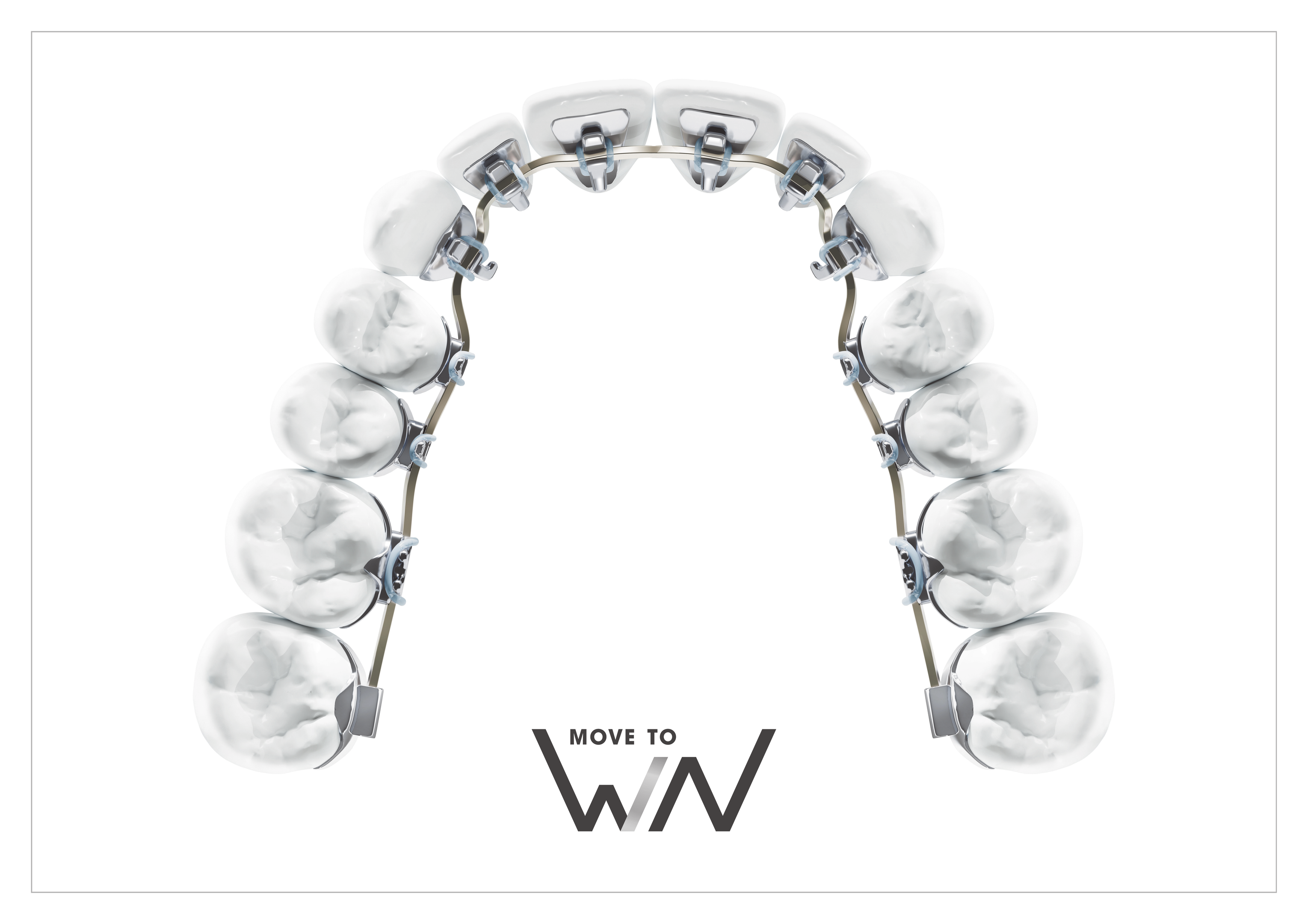
Lingual braces are sometimes called the “best kept secret” in orthodontics because they are attached behind the teeth, making them an invisible solution from the outside.
Both Invisalign and lingual braces are modern orthodontic solution options for patients who want a confident smile without the noticeable appearance of outside traditional metal braces or clear braces. The right treatment plan depends on your teeth, bite, lifestyle, oral health, treatment duration goals, and how much responsibility you want for day to day compliance.
By the end of this comparison, you should have a clearer sense of whether Invisalign, lingual braces, clear/ ceramic braces, or another orthodontic care option is the better fit for your dream smile.
Lingual braces are braces bonded to the back or inner surfaces of the teeth. Because the brackets and wires sit on the "tongue side" instead of the front of the teeth, lingual braces are virtually invisible from the outside. This is ideal for those seeking a discreet orthodontic option. The word lingual comes from the meaning "tongue", hence referring to the placement on the other side of the tooth closer to the tongue.
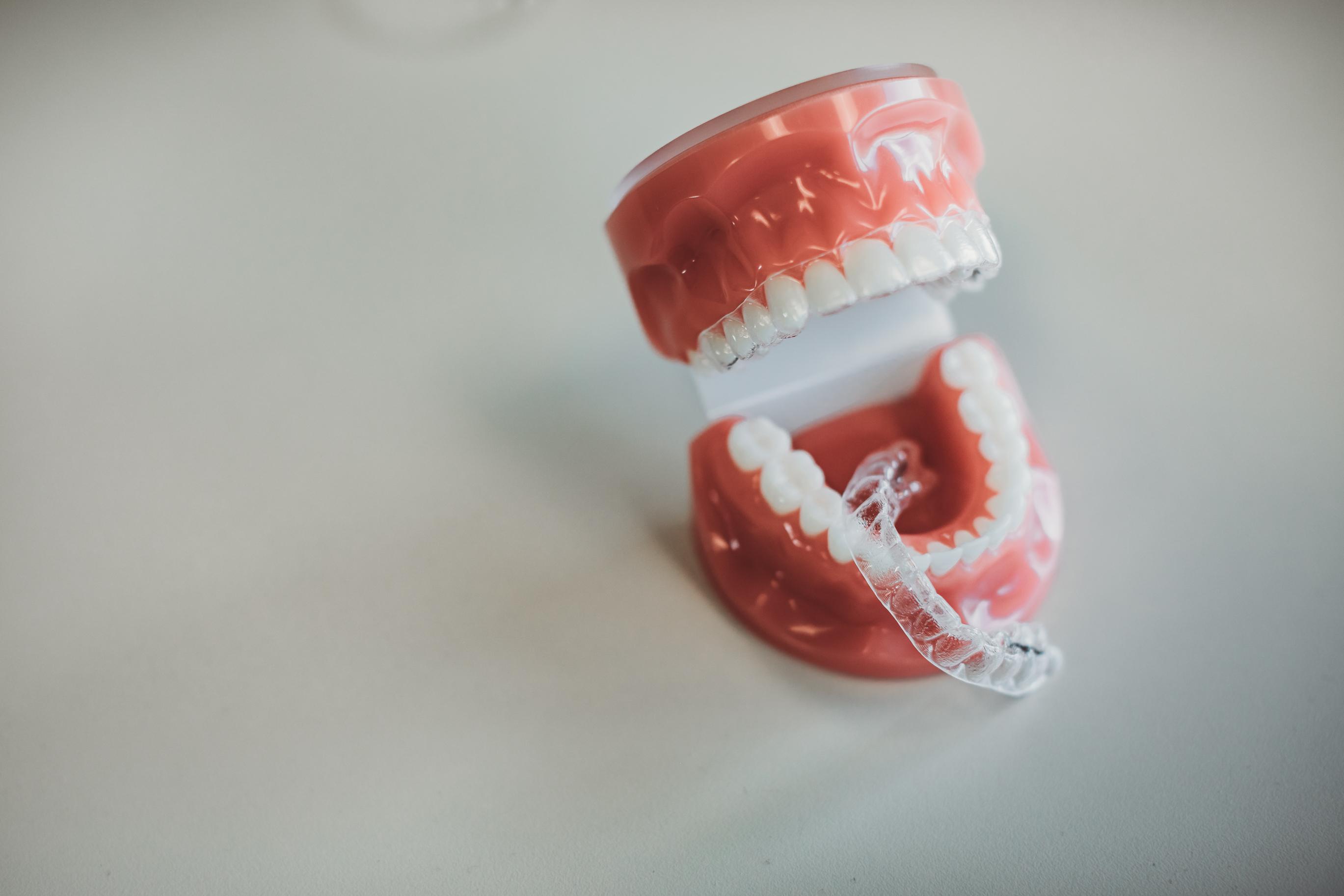
Invisalign uses removable, clear plastic trays worn over the teeth, while lingual braces consist of fixed metal brackets and wires attached permanently to the back of the teeth. That fixed design is an added benefit for many patients because the treatment works continuously without needing to remember aligners.
Lingual braces are a custom made lingual system designed for precise, low-profile treatment. The customization of lingual braces involves advanced 3D imaging technology to ensure a precise and comfortable fit, which can increase manufacturing costs compared to traditional braces. This invisible design allows many adults to maintain a professional appearance during orthodontic treatment while still receiving the control of braces.
Not every orthodontist offers lingual braces since they require specialized training. Lingual braces require specialized & advanced orthodontic training to install and adjust, resulting in fewer clinics offering them compared to Invisalign. That is one reason many patients searching for Invisalign in Nashville, Brentwood, Franklin, Green Hills, or Williamson County may not be told about lingual braces unless they visit an orthodontist specializing in advanced aesthetic treatment options.
The main difference is removability versus control.
Here is how the two options compare.
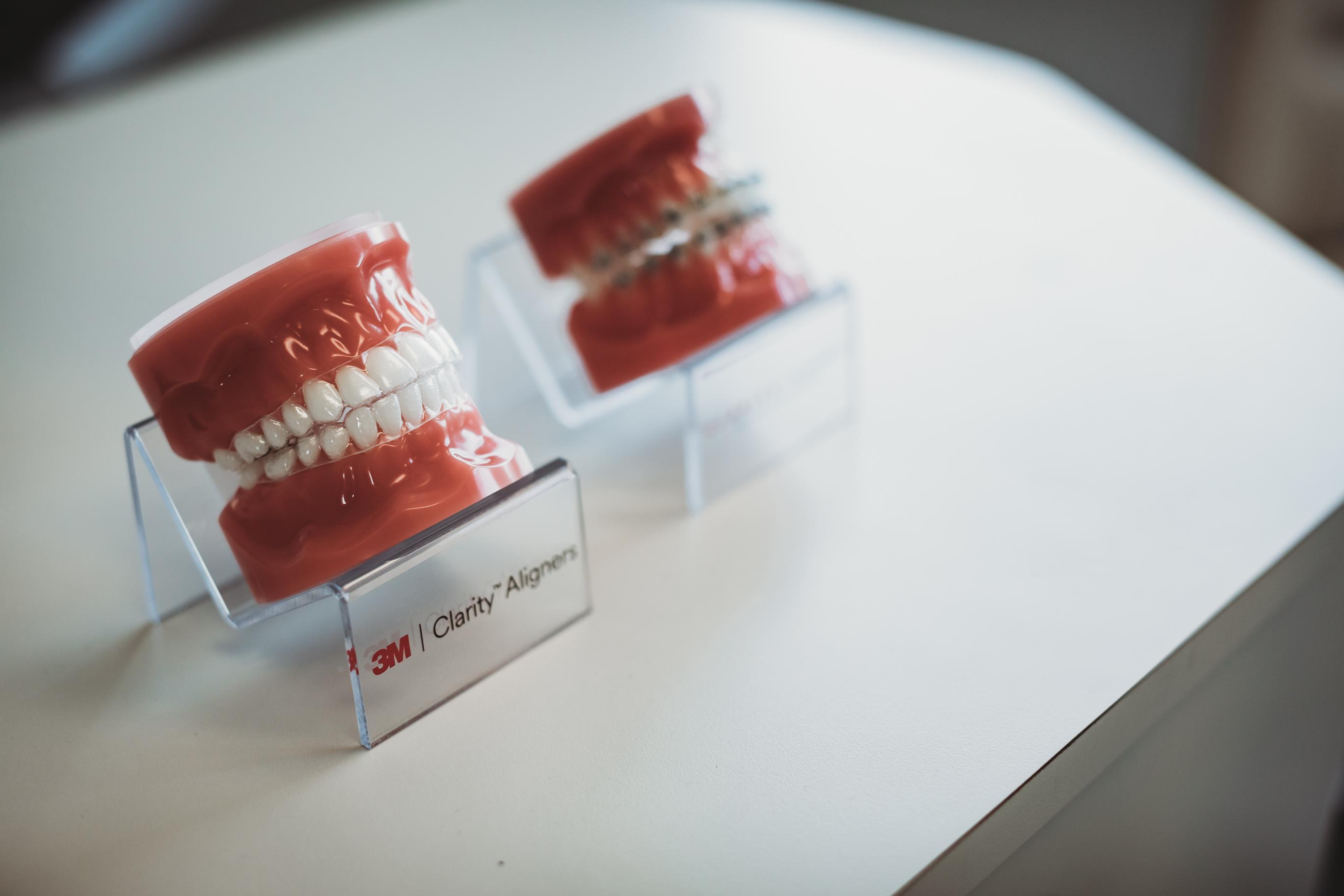
Invisalign or any clear aligners are custom made removable trays designed to gradually move teeth into alignment, making them a popular choice for patients seeking a discreet orthodontic solution. Clear aligners are particularly appealing to adults and teens due to their aesthetic appeal, as they are nearly invisible compared to traditional metal braces. However, tooth-colored attachments must be placed on the outside of the teeth to ensure satisfactory control of the tooth movement- which can decrease the aesthetics.

Lingual braces go one step further. Because lingual braces are attached to the inner surfaces of the teeth, they offer a completely invisible treatment option, making them ideal for adults who want to maintain a professional appearance during orthodontic treatment.
For patients who want the most discreet appearance possible, lingual braces often have the distinct aesthetic advantage.
Compliance is critical for Invisalign; if the trays are not worn for the required time, treatment can be delayed or extended, limiting effectiveness for complex cases. Invisalign or any clear aligner should be worn for at least 20 to 22 hours daily and can be removed for eating, brushing, and special events, while lingual braces are permanently fixed to the teeth.
Patients typically need to wear clear aligners for 20 to 22 hours a day for optimal results, removing them only for eating, drinking, brushing, and flossing. That flexibility is convenient, but it also means the final outcome depends on daily discipline.
Lingual braces remove that concern because they stay on the teeth. If you do not trust yourself to wear aligners consistently, lingual braces may be a better treatment option.
Invisalign or any clear aligner is ideal for mild to moderate corrections, while lingual braces handle severe crowding, complex bite issues, and major tooth rotations more effectively than clear aligners. Invisalign or clear aligners can work very well for moderate crowding, spacing, and many bite concerns, especially when attachments or elastics are included in the treatment plan.
Lingual braces can treat a wide range of orthodontic issues, including significant crowding and bite corrections similar to traditional braces, but require specialized skills for placement and adjustment. For complex cases involving the jaw relationship, root movement, major rotations, or detailed alignment, fixed braces often provide more precise control.
Traditional metal braces are made entirely of metal, typically stainless steel, and are one of the most popular and effective methods for teeth and bite alignment. Lingual braces bring similar mechanics to the back of the teeth, giving patients the power of standard braces without the front facing metal brackets.
Invisalign or clear aligners are removable, so normal eating is easier. You take the aligners out for meals, then brush before putting them back in. This makes brushing and flossing simpler than with fixed appliances.
Lingual braces stay on the teeth, so there is no tray to lose and no need to pause treatment for meals (or snacks!). However, patients may experience a temporary lisp and tongue irritation during the adjustment period after getting lingual braces. Please note that Invisalign or any clear aligner will also have a lisp when worn on the upper teeth. Most patients adapt, but public speakers, musicians, vocalists, and people whose work depends on precise speech should plan for that early adjustment period. We do have experience with lingual braces on reporters, musicians, and many people in the public eye at our office.
Cleaning around the hardware of lingual braces can be challenging, requiring specific flossing tools and meticulous oral hygiene to prevent cavities. Careful maintenance matters because plaque buildup around brackets can create oral hygiene issues or hinder braces performance.
In Nashville and Brentwood, Invisalign often costs less than lingual braces. The cost of traditional metal braces typically ranges from $4,000 to $7,500, while lingual braces usually range from $5,000 to $9,500 due to their customized design and specialized installation process.
Factors influencing the cost difference between traditional and lingual braces include customization, treatment complexity, and the expertise & time required for placement and adjustments. Lingual braces are more expensive than traditional braces primarily because they are custom-made for each patient using advanced 3D imaging technology, which increases manufacturing costs.
Invisalign or clear aligner fees vary based on case complexity, aligner count, refinements, and treatment time. Flexible payment plans and financing options can help make orthodontics treatment more manageable, whether you choose Invisalign, lingual braces, ceramic braces, or traditional metal braces.
Treatment time depends more on the complexity of the case than the appliance alone. Invisalign and clear aligner treatments may involve fewer office visits for straightforward cases, especially when aligners are tracking well. The use of advanced 3D scanning software allows orthodontists to create a digital preview of the final smile before treatment begins with Invisalign or lingual braces.
Lingual braces may require more detailed adjustment visits because the brackets and wires are behind the teeth. However, the treatment works continuously. For complex cases, that fixed control can make lingual braces more predictable than aligners that are not worn as prescribed.
Other aesthetic option choices may also be discussed during your first visit. Ceramic braces use clear or tooth-colored brackets that blend better with natural teeth, making them a less noticeable option compared to traditional metal braces. Ceramic braces are a popular choice among adults due to their ability to blend in with natural tooth color, providing a more discreet option compared to traditional metal braces. Gold braces are made of high-quality stainless steel and are gold-plated, providing a more aesthetic appearance while functioning identically to traditional metal braces.
Lingual braces may be the better choice if you want a discreet option that combines the precision of braces with an invisible appearance.
You may be a strong candidate for lingual braces if you are:
Musicians, vocalists, and public speakers should also discuss timing carefully. Lingual braces are highly discreet, but the tongue sits close to the brackets, so speech changes can occur early in treatment. If you have a major event next week, Invisalign or clear aligners may be easier short-term due to the removability. However, when the aligner is in place, a slight lisp will be present. If you want maximum discretion throughout a comprehensive treatment plan, lingual braces may still be worth the adjustment.
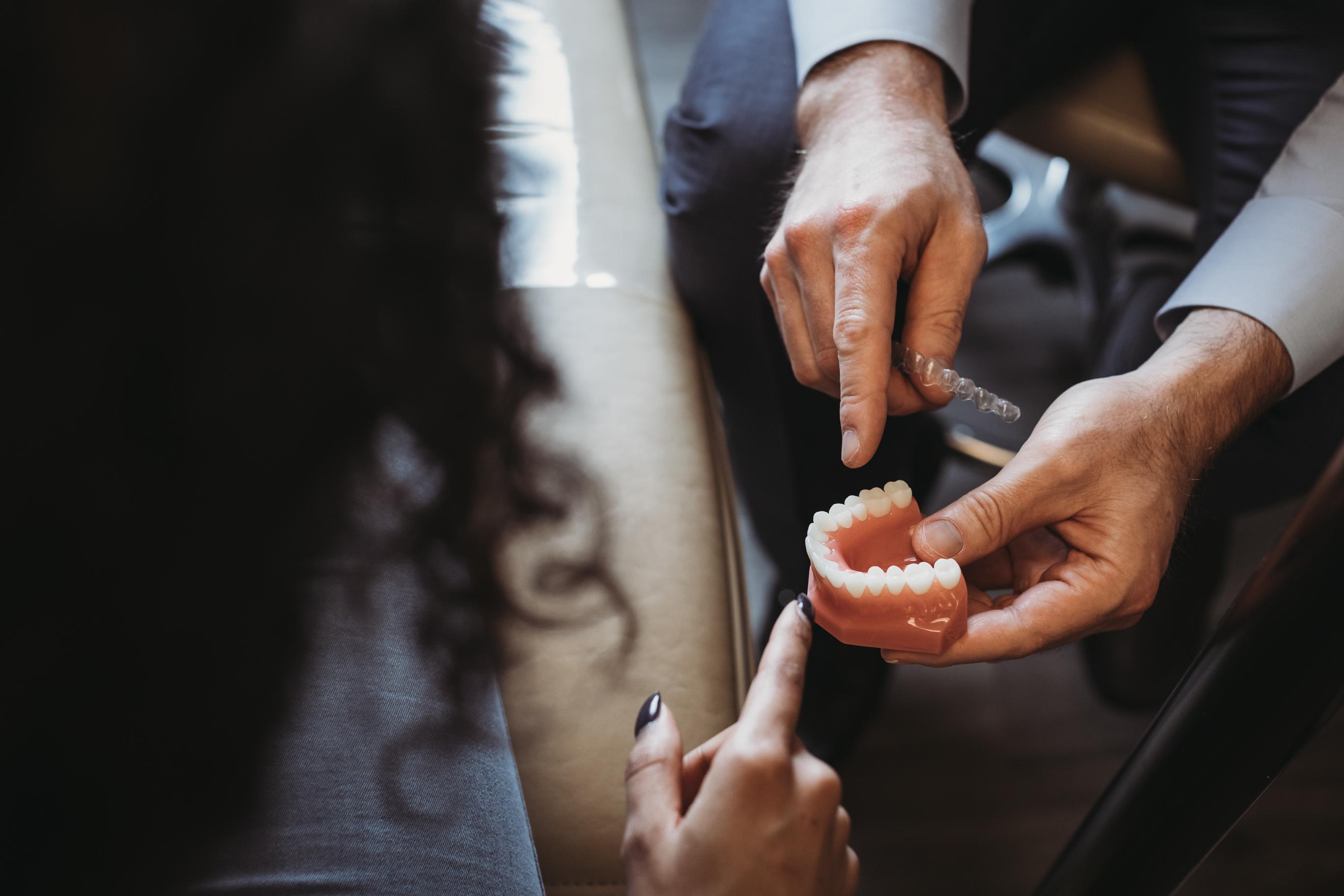
Invisalign or clear aligners are often a great fit for patients with mild to moderate alignment needs who are confident they can wear aligners 20 to 22 hours daily. Lingual braces are often a better fit for patients who want an invisible solution but need the control of fixed braces.
Clear aligners, whether Invisalign or 3M Clarity, are an excellent choice for patients with mild to moderate crowding, minor spacing issues, and certain bite concerns where the degree of correction needed is within the range that removable trays can reliably achieve.
They tend to work especially well for adults and responsible teens who are genuinely committed to wearing their trays 20 to 22 hours daily. Lack of discipline in wearing your aligners will lead to longer treatment times or a less than ideal result. This commitment is crucial with any form of aligner treatment and cannot be understated for success with any aligner system.
Because aligners are removed for eating and oral hygiene, brushing and flossing follow a completely normal routine with no brackets or wires to navigate around. This makes them a straightforward choice for patients who prioritize easy maintenance during treatment. Patients with a history of periodontal disease, gum recession, or other "gum" issues may find aligners easier to maintain adequate oral hygiene with aligners during the orthodontic process. This can be a tremendous advantage.
Aligners are also a strong option for patients who play contact sports, since the trays can be removed during games and practice in a way that outside facing fixed appliances cannot.
Lingual braces can feel unusual at first because the brackets sit near the tongue. Patients may experience tongue irritation during the adjustment period after getting lingual braces, especially in the first few days.
That does not mean they remain uncomfortable for the entire treatment. With custom made brackets, wax, good oral hygiene, and time, most patients adapt very well. The key is knowing what to expect before treatment begins.
In our office, we have treated hundreds of patients successfully with lingual braces. We know how to get you comfortable and what potential issues may occur- and how best to deal with them. Experience matters here.
A temporary lisp can happen after lingual braces are placed. This is usually an adjustment issue, not a permanent problem.
Most patients notice speech improving as the tongue adapts to the brackets. If your lifestyle involves frequent presentations, music, broadcasting, or performance, your orthodontist can help you plan the timing and discuss whether lingual braces or Invisalign fits your schedule better.
Lingual braces do cost more than traditional braces and many Invisalign cases. The higher cost reflects advanced technology, customized brackets, specialized lab work, and advanced training required for treating patients with appliances placed behind the teeth.
For the right patient, the value is not just cosmetic. Lingual braces offer a discreet appearance, fixed compliance, and strong control for complex orthodontic treatment. Flexible payment plans can also make premium orthodontic services more accessible.
This is one of the biggest misconceptions. Lingual braces can treat significant crowding, bite problems, and complex tooth movement in a way that is similar to traditional braces. We have experience in treating a wide variety of cases from very simple to very complex.
In fact, Invisalign is ideal for mild to moderate corrections, while lingual braces handle severe crowding, complex bite issues, and major tooth rotations more effectively than clear aligners. The important factor is choosing an orthodontist with the training and experience to place and adjust them properly.
Cleaning is not impossible, but it does require a little extra effort from normal. Brushing, flossing will take slightly longer, but they can be helped greatly by certain oral hygiene aids such as a Waterpik or electric toothbrush.
Most orthodontists are not trained on lingual braces in their residency. Therefore, they must seek additional training to be proficient at the technique. We have offered lingual braces since 2007 in our Nashville office, and we know lingual braces. Starling Orthodontics has experience with several different lingual brace systems and hundreds of patients from simple to complex. Some orthodontists have very little experience treating with lingual braces, so be sure to ask how much experience they have first.
In summary- both Invisalign and lingual braces are great options- but most have never considered lingual braces. If you aren't sure what is right for you- we would love to help figure that out for you with a free consultation!

Please call (615) 507-1660 or click below to schedule a consultaion appointment online.

Please call (615) 507-1660 or click below to schedule your complimentary orthodontic consultation online.


