
As an orthodontist at Starling Orthodontics, I will tell you that teen braces in 2026 are more comfortable, precise, and personalized than many parents recall from their own teenage years. My team and I are dedicated to helping Brentwood and Nashville families understand the ideal timing, treatment options, and the full braces process before your teen begins their orthodontic journey!
Today’s teen orthodontic treatment includes modern metal braces, ceramic braces, clear aligners, digital impressions, advanced intraoral 3D scanners, and digitized treatment planning. All of these are designed to improve accuracy and reduce unnecessary office visits. Whether your teen requires simple tooth movement, proper alignment, or complex orthodontic care, my goal is the same: to create a healthy bite, straight teeth, and a confident smile that lasts a lifetime.
We offer a free consultation for Nashville area families, including a comprehensive orthodontic evaluation, a personalized treatment plan, and clear discussions about timing, cost, comfort, oral hygiene, and your teen’s lifestyle.
Schedule Your Teen’s Free Consultation Today!
The teenage years are often the best time for comprehensive orthodontic treatment because most permanent teeth have erupted, while jaw growth and development are still actively progressing. Most teens start braces between ages 11 and 14, and this is often when most orthodontic issues become noticeable. This timing allows me to guide tooth movement and bite correction effectively while the body is still growing.
The teen years are critical for building self-esteem. A healthy smile positively influences social interactions, and braces can significantly improve a teen’s self image. Many teens feel self conscious about wearing braces, but with modern metal braces, ceramic braces, lingual braces, and clear aligners, families now have more options tailored to their personal preferences. Remember, braces are a temporary step toward a lasting, confident smile.
Early treatment can prevent more serious orthodontic issues later in life. Common signs your teen may need braces include crowding, bite issues such as severe overbite, upper teeth that protrude, crossbites, underbites, mouth breathing, or difficulty chewing. Early intervention can also reduce the likelihood that untreated orthodontic issues become more complicated in adulthood.
Ideally, teens should start orthodontic treatment during the growth spurts to make the tooth movement and bite correction more efficient. Most patients wear braces for 18-24 months on average, with total treatment time typically lasting 12-24 months for many young patients. Complex cases may require longer treatment durations, especially when severe bite issues, delayed cooperation, or jaw growth concerns are present.
One of the main benefits of teen orthodontics is it's support for oral health. Proper alignment makes it easier to maintain good oral hygiene, which lowers the risk of cavities and gum disease. It also helps correct bite issues that could otherwise strain the teeth and jaws over time.
We provide expert teen orthodontic care for families throughout Brentwood, Nashville, and nearby communities. Every teen’s treatment begins with a careful diagnosis, realistic timeline, and a treatment plan tailored to your teenager's teeth, jaw development, school schedule, sports, music, and social life.

A first orthodontic evaluation is more than a quick look at crooked teeth. The American Association of Orthodontists recommends evaluation by age 7, although most teens start braces between ages 11 and 14. This early evaluation allows us to monitor baby teeth, permanent teeth, jaw growth, and a few signs that earlier treatment may be necessary.
If your child is not ready for treatment, we will schedule a follow-up visit to monitor your child's development until they are ready. This allows us to get the timing perfect for the shortest and most effective orthodontic treatment.
During the initial consultation, which lasts about 45-60 minutes, we examine the teeth, bite, jaws, facial balance, and overall oral health. We use advanced 3D x-rays, intraoral 3D scanners for precise assessments, along with digital imaging and other records as needed. The initial consultation and records take before treatment begins to plan the treatment. The ultimate start date of treatment will depend on your teen’s specific case and appliance of choice.
We will discuss whether your teen should begin treatment now, wait for a better time in the future.
At Starling Orthodontics, we offer treatment options designed to address different orthodontic issues and suit various teen lifestyles:
These remain the most common and cost-effective option. Modern metal braces are smaller, smoother, and more comfortable than older traditional braces.
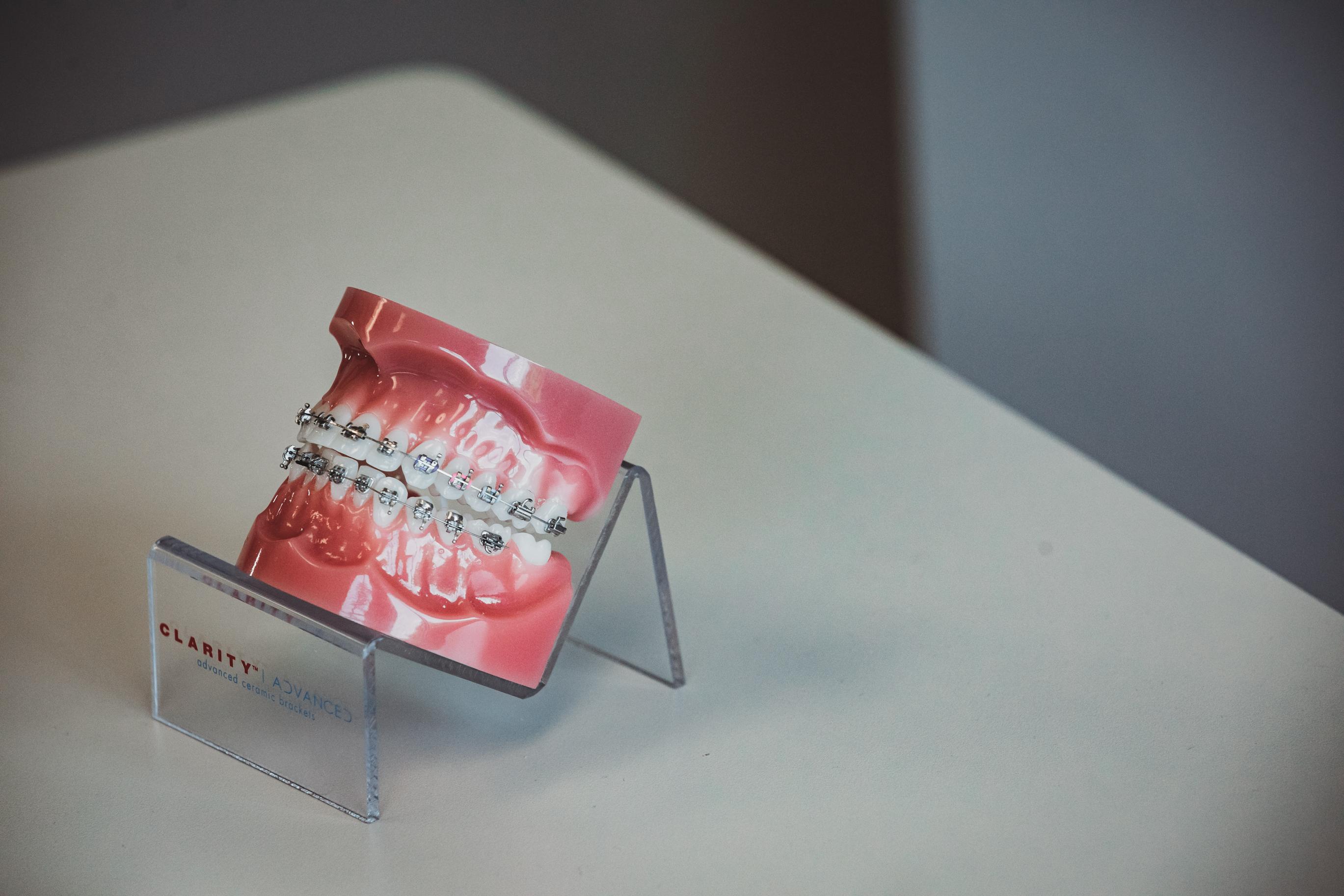
Metal braces dental model on display at Starling Orthodontics in Brentwood, TN teen braces treatment option
These braces offer a less noticeable alternative with tooth colored brackets that blend naturally with your teen’s natural teeth.

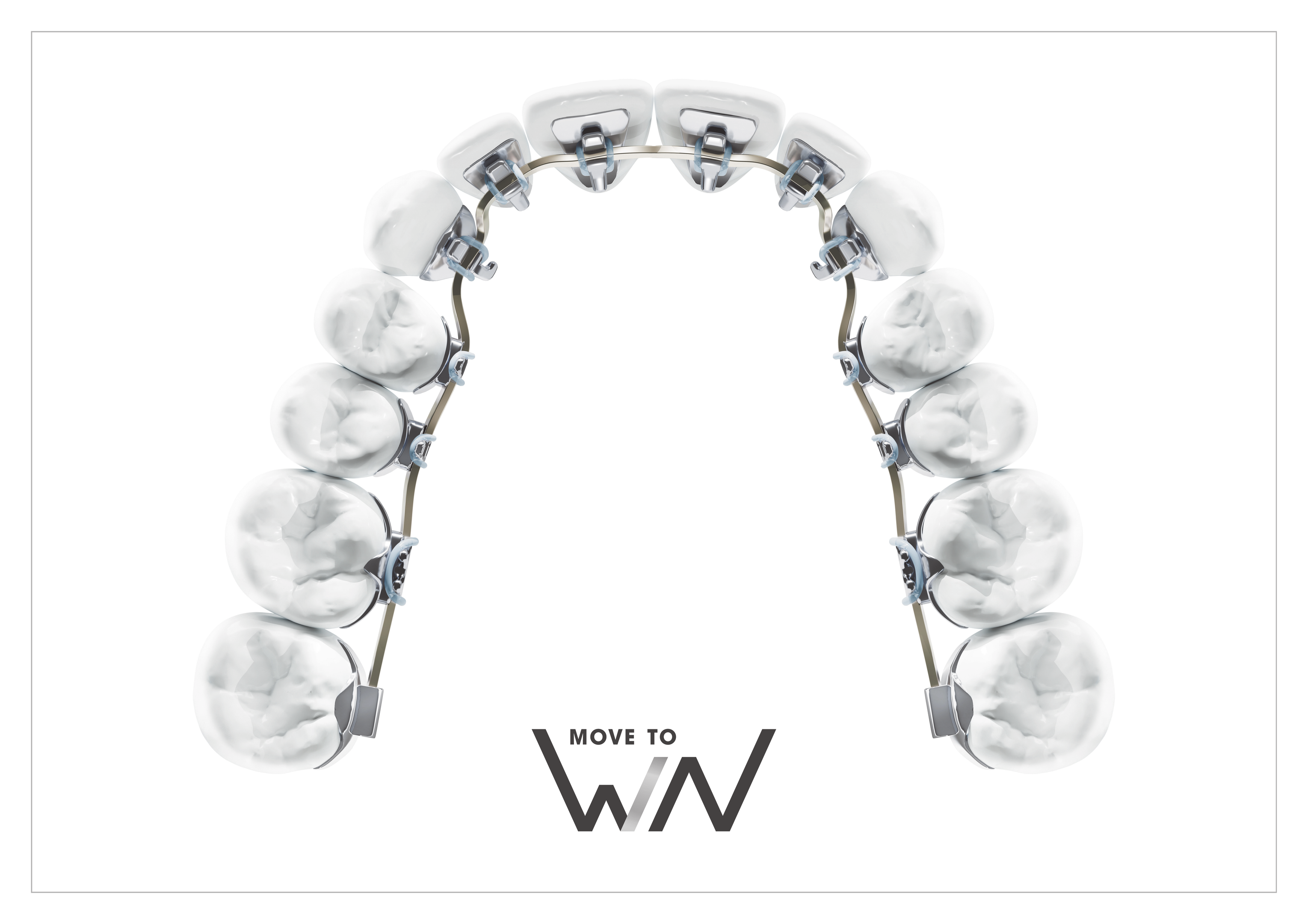
This offers a braces behind-the-teeth solution for your teenager that does not rely of 22 hours a day compliance to be effective.
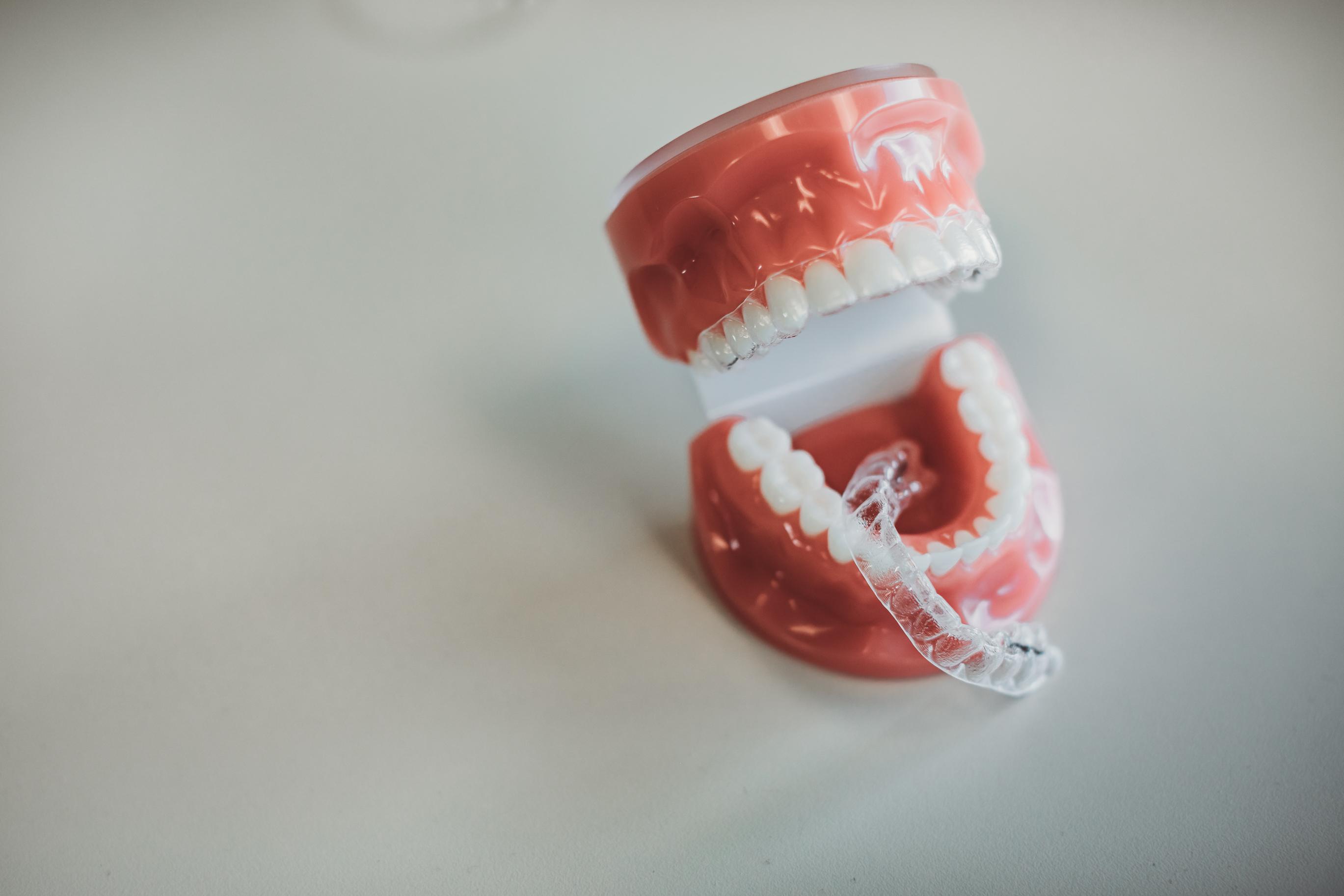
These are removable trays that can be an excellent option for responsible teens. These require wearing the trays for 22 hours a day to be effective, so compliance is essential.
We also provide digital impressions and advanced wire technologies to make orthodontic treatment more precise. Our orthodontic technology leverages digitized treatment paths to reduce office visits and enhance convenience for busy Nashville families.
Each option varies in health benefits, cost, visibility, and maintenance requirements. Metal braces typically cost less than ceramic braces, but are very similar in terms of cost.
Clear Aligner (Invisalign & Clarity) and lingual braces options often have higher costs due to custom made materials and complexity. Many dental insurance plans cover braces for teens, and we will review the benefits and financing during your orthodontic consultation.
Understanding the braces process helps parents and teens feel more comfortable and confident. We prioritize clear communication, comfort, and predictable progress from the first visit through retention.

We start with a thorough examination of your teen’s teeth, bite, jaw development, oral health, and orthodontic issues. The initial consultation takes about 45-60 minutes and includes time for questions from both parent and teen.
3D X-ray digital imaging, photographs, and advanced intraoral 3D scanners help us accurately assess permanent teeth, remaining baby teeth if present, upper teeth, bite alignment, and signs of severe bite issues or crowding.
After completing records, we develop a personalized treatment plan. Initial consultation and records typically take 2-3 weeks before treatment starts, depending on scheduling and case complexity.
We discuss whether traditional braces, modern braces, ceramic braces, lingual braces, clear aligners, or other options best suit your teen’s needs. We review average treatment times (usually 12-24 months), appointment frequency, cost, insurance, financing, and compliance expectations.
The bonding appointment for braces typically takes about 1 hour. Brackets are bonded to the teeth, and your teen receives detailed instructions on eating, brushing, flossing, and managing soreness.
Initial discomfort is common for the first few days after bonding or adjustments. Teens may experience soreness for 2-3 days, which is usually pressure or tenderness rather than sharp pain. Soft foods and over-the-counter pain relievers such as Tylenol or ibuprofen can help ease discomfort.
Dietary restrictions include avoiding overly sticky, hard, or crunchy foods such as hard candy, popcorn kernels, and ice. Orthodontic wax is provided to reduce irritation if the wires or new braces rub the cheeks.
Adjustment visits usually occur every 4-8 weeks, depending on the appliances worn and point in treatment. At each visit, we monitor tooth movement, adjust wires, check elastic wear, and review oral hygiene.
Braces can trap food and plaque, so maintaining excellent oral hygiene is critical to prevent cavities and gum disease. Teens should brush after every meal and floss carefully, using electric toothbrushes and water flossers when possible.
For contact sports, we recommend mouth guards to protect braces and teeth. Teens should wear mouth guards during contact activities like football, basketball, soccer, lacrosse, and martial arts.
After braces or aligners are removed, retainers must be worn diligently to maintain teeth position and protect your investment in your teen’s smile.
"Dr. Starling has taken great care of two kids and one adult from our household in braces. He and his staff are so great to work with. I can’t recommend them highly enough!" -Sarah D.
“I love Starling Orthodontics! The friendly faces, over helping staff and amazing work they do! I came there with my daughter and they handled us so professionally! Now my son has braces and the same care has continued! ❤️❤️❤️"- Joy W.
"Dr. Starling and his entire staff are simply the best. They have done a fabulous job in taking care of my children’s ortho needs and their smiles are now perfect. I highly recommend this practice to anyone!"- Jennifer P.
These stories reflect what many families want from teen orthodontic treatment: clear guidance, modern technology, respect for the teen’s preferences, and a path toward a confident smile.
The American Association of Orthodontists recommends an orthodontic evaluation by age 7. This early evaluation helps identify orthodontic issues, monitor baby and permanent teeth, and determine if early treatment is necessary.
Most teens start braces between ages 11 and 14. Common signs your teen may need an orthodontic evaluation include severe crowding, early or late loss of baby teeth, mouth breathing, difficulty biting or chewing, jaw shifting, speech concerns, and misaligned teeth.
Braces treatment usually lasts between 12 to 24 months. Most patients wear braces for 18-24 months on average. Treatment length varies depending on case complexity and compliance. Complex cases may require longer durations, especially with severe bite issues, crowding, extractions, missed appointments, or inconsistent aligner or elastic wear.
Regular adjustments usually occur every 4-8 weeks, depending on the treatment plan. Digital tools and remote monitoring may reduce office visits but do not shorten the overall treatment time.

If you’re ready to begin your teen’s orthodontic journey or have questions, please contact Starling Orthodontics today. We’re here to help your teen achieve a healthy, confident smile that lasts a lifetime.

Please call (615) 507-1660 or click below to schedule a consultaion appointment online.

Please call (615) 507-1660 or click below to schedule your complimentary orthodontic consultation online.


