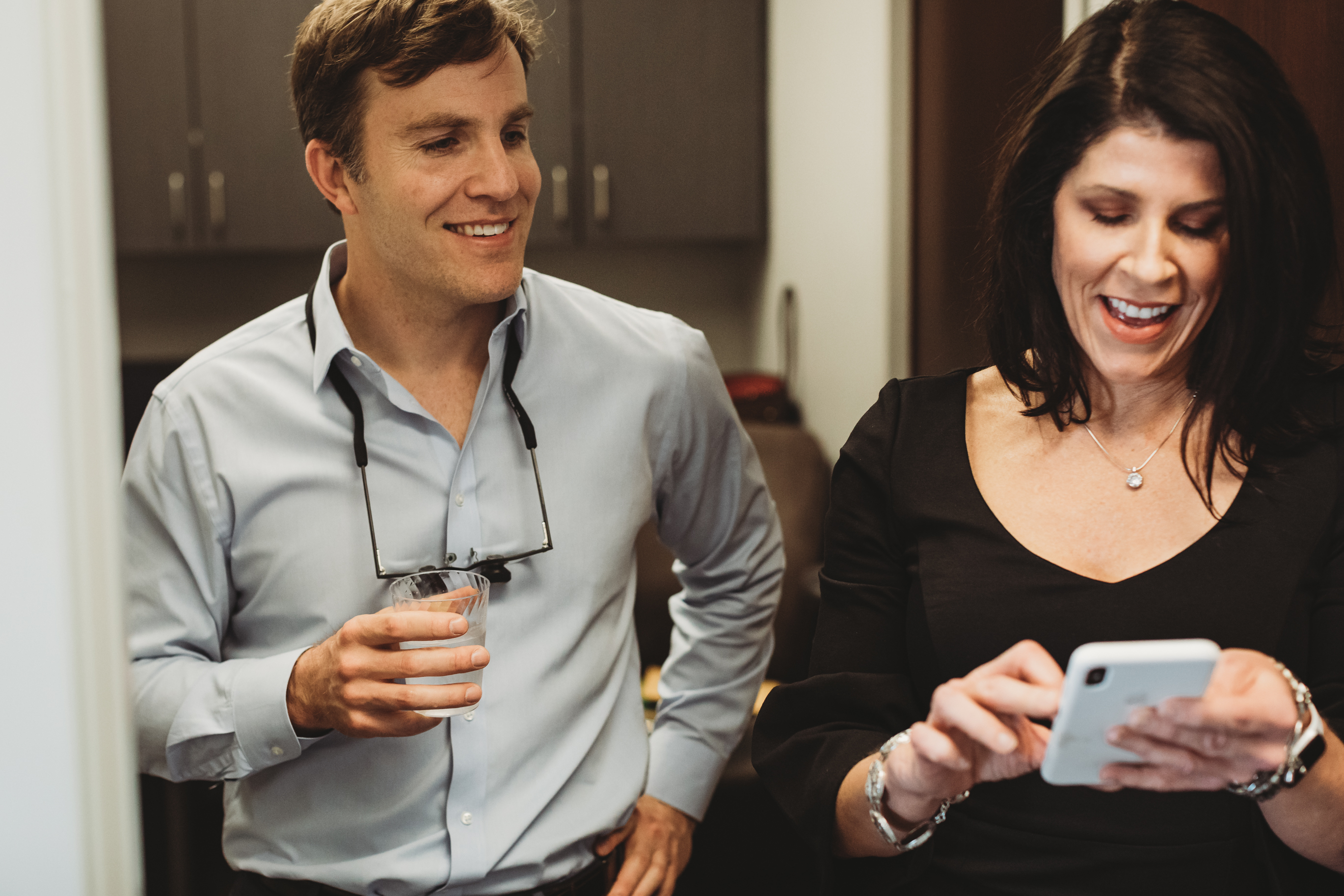
You have come to the right place! This article will go over what to expect at your first orthodontic exam.
Crooked teeth and malocclusion (bite alignment problems) not only impact a person's appearance, but they can also be harmful to a person's oral health and comfort. Misaligned teeth are more difficult to keep clean which increases a person's risk of tooth decay, cavities, and periodontal disease. Straight teeth lower the risk of plaque buildup and gum disease.
In addition to causing temporomandibular joint disorder (TMD), malocclusion can also result in irregular wear patterns that damage the surfaces of the teeth. The foundation for long term oral health relies on a functional bite alignment, and teeth that are in proper alignment for optimal dental hygiene.
If you are here, then my guess is you have decided to look into fixing your "teeth" issues. The first step in the orthodontic journey is to seek a certified orthodontist for a consultation.
To be a licensed dentist, one must have 3-4 years of college before getting accepted into an accredited 4 year Dental school in the United States. Following the 4 years of dental school, you are granted a DDS or DMD degree- and after passing the state & national dental board process you can practice as a general dentist.
General dentists can do lots of various dental procedures such as fillings and crowns, root canals, cleanings, advanced cosmetic work such as veneers, and sometimes even orthodontics.
To be a certified specialist orthodontist, you must go on to complete a 2-3 year residency program after you receive your DDS or DMD degree in an accredited orthodontic residency program. Yes, you read that correctly- it takes a minimum of 6-7 years AFTER COLLEGE to be an orthodontist!
Once one declares themselves a specialist in orthodontics, they must limit their practice scope to ONLY ORTHODONTICS.
The take home is that straightening teeth and bites is the ONLY THING an orthodontist does all day, every day! We are biased of course on which we prefer at our Brentwood orthodontics office...
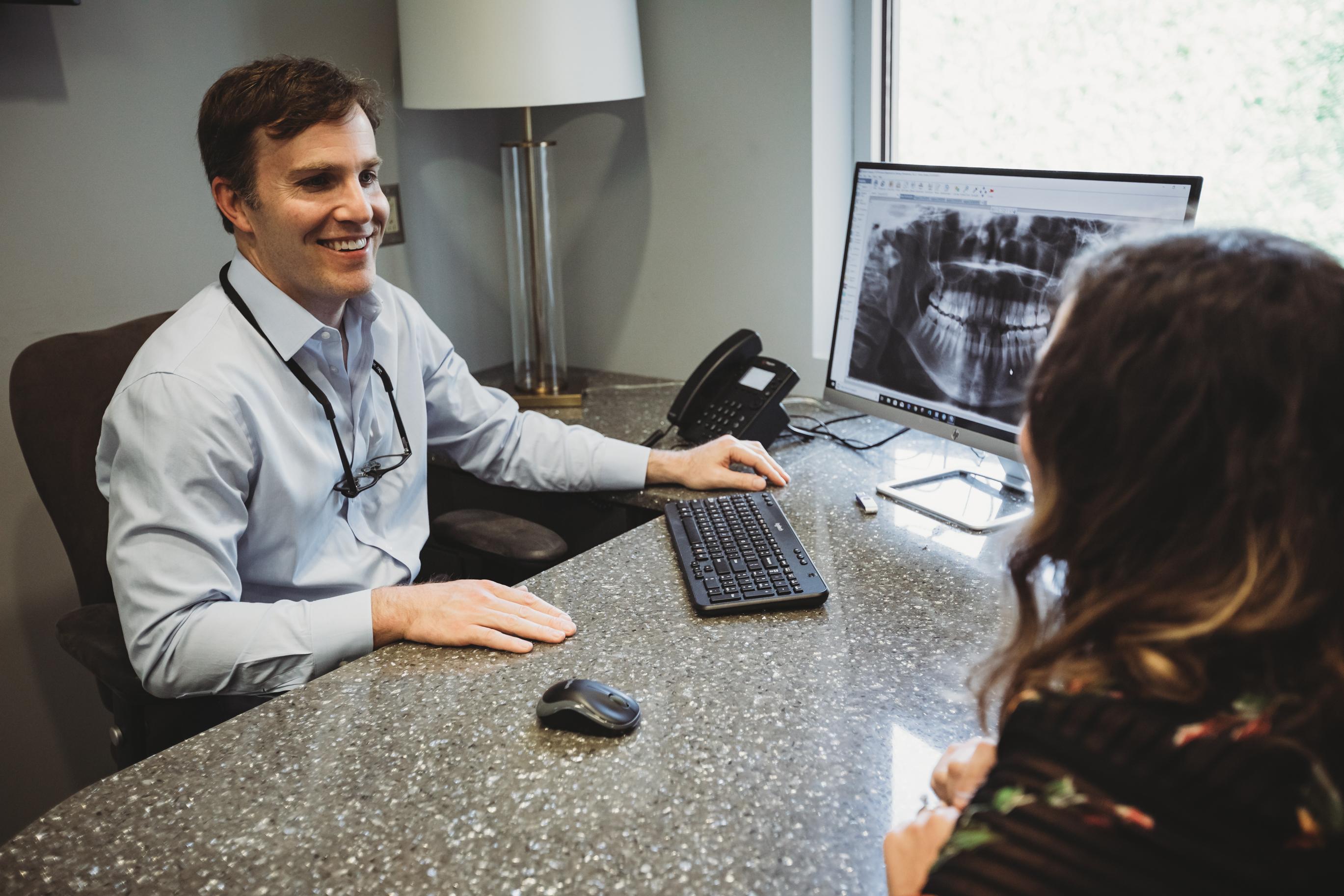
A typical orthodontic evaluation appointment lasts 60 to 90 minutes, and your first orthodontic consultation is typically free.
Please note that we are proud to offer a free consultation to find the most effective treatment for your specific orthodontic needs. That new smile is just a call, text, or request through our website away!
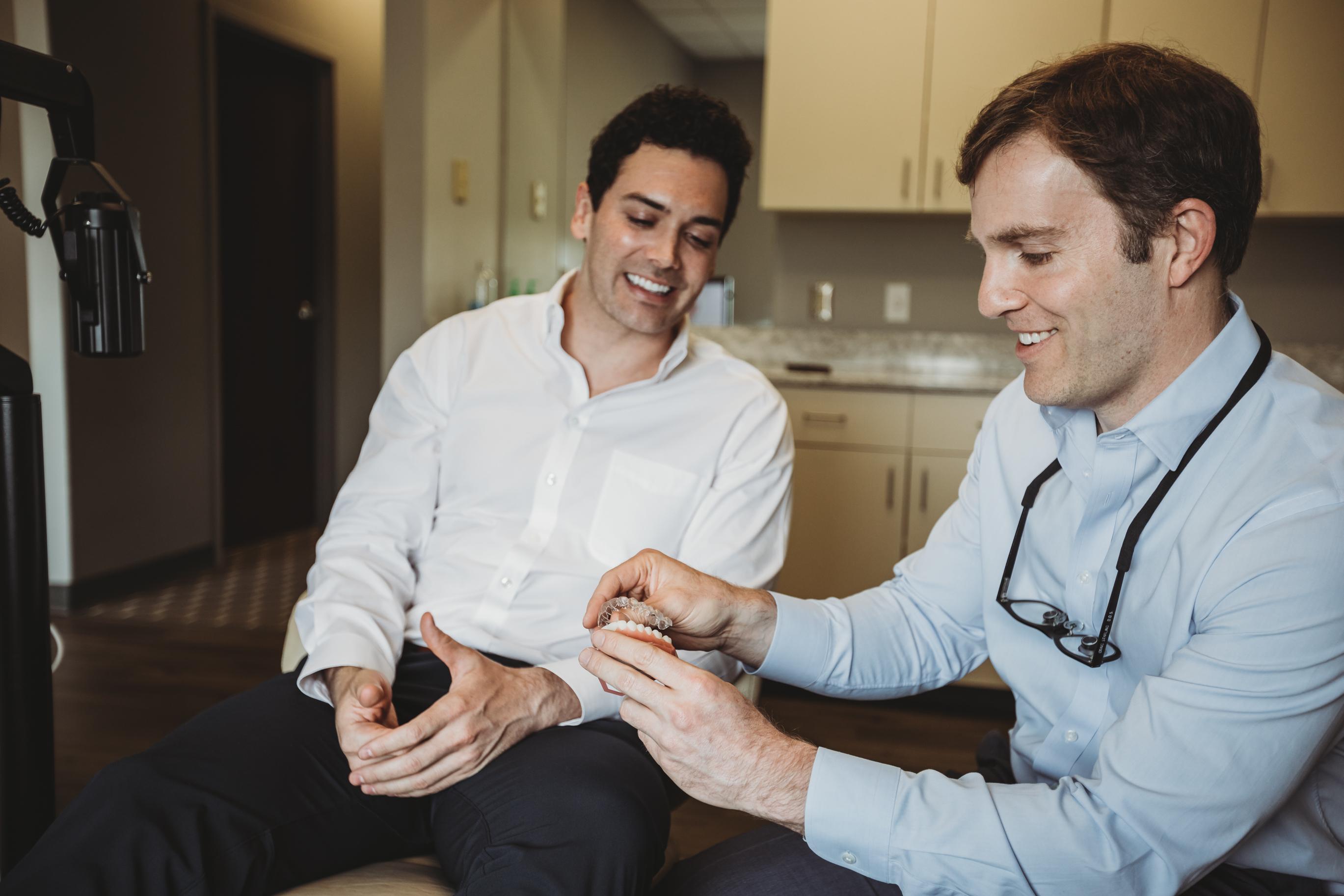
One of the most common treatment solutions for crooked teeth, overly crowded teeth, and malocclusion is braces.
A common orthodontic treatment, braces are an orthodontic appliance used to straighten the teeth, make space for crowded teeth, correct teeth with irregular gaps, and address malocclusion problems like open bite, underbite, overbite, and crossbite.
Our orthodontic services use several different types of braces. The type of braces that is right for you or your child depends on the severity and complexity of your orthodontic issues and your treatment preferences. After a comprehensive orthodontic evaluation in Brentwood, TN at our office, we will guide you on what is your best option for treatment.
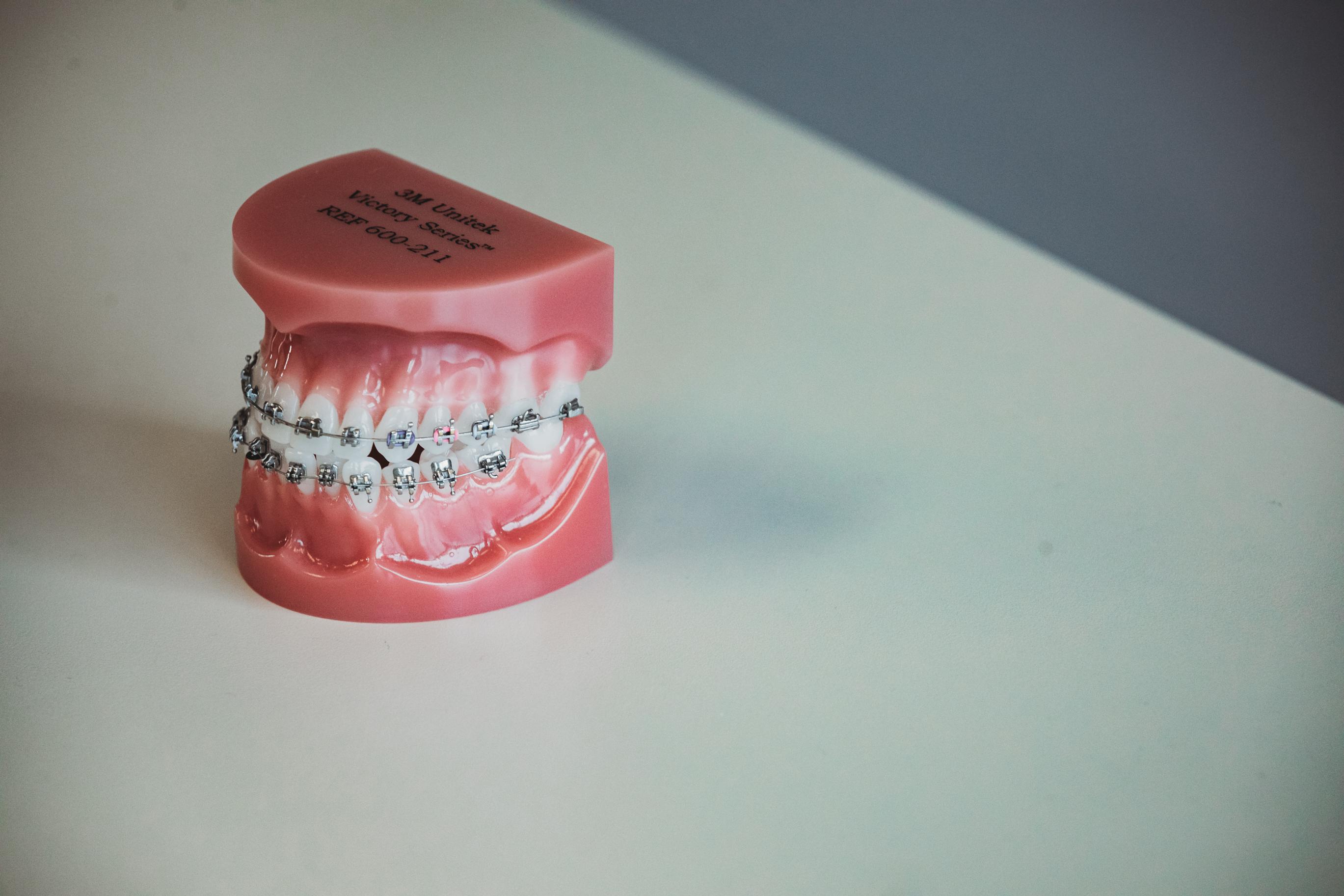
These are the braces that most people think of when they think of braces. They are comprised of stainless steel brackets and wires bonded to the teeth. With these braces, patients use small elastic bands (ligatures) to hold the wires in place. Metal braces are effective for complex alignment issues.
Self-ligating braces are very similar to standard braces. The primary difference is that they do not use elastic bands but rather have a built-in system that holds them in place.
These braces are similar to metal braces, as they work in the same way and consist of the same parts. These braces, however, are made of tooth-colored ceramic instead of stainless steel. Ceramic braces blend with teeth for a discreet appearance.
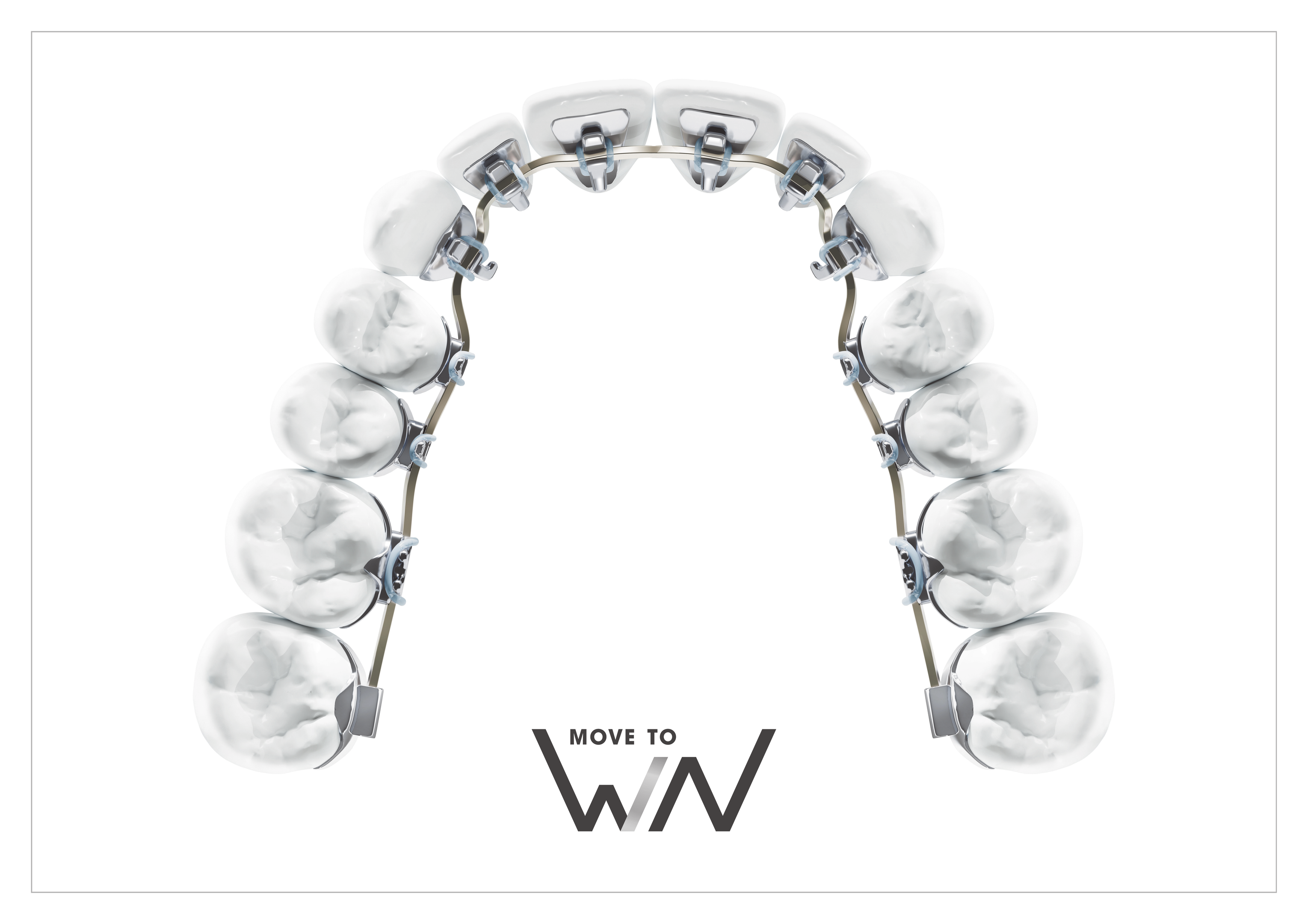
Lingual braces also use the same parts as standard braces. The difference with lingual braces is that they are bonded to the backs (tongue side or lingual side) of a patient's teeth instead of the front surfaces. This placement helps patients achieve a more discreet course of treatment. Today's state of the art technology makes this one of the most advanced treatment options on the market today. These braces are custom made using 3D scanning and metal milling technology to deliver a precise result.
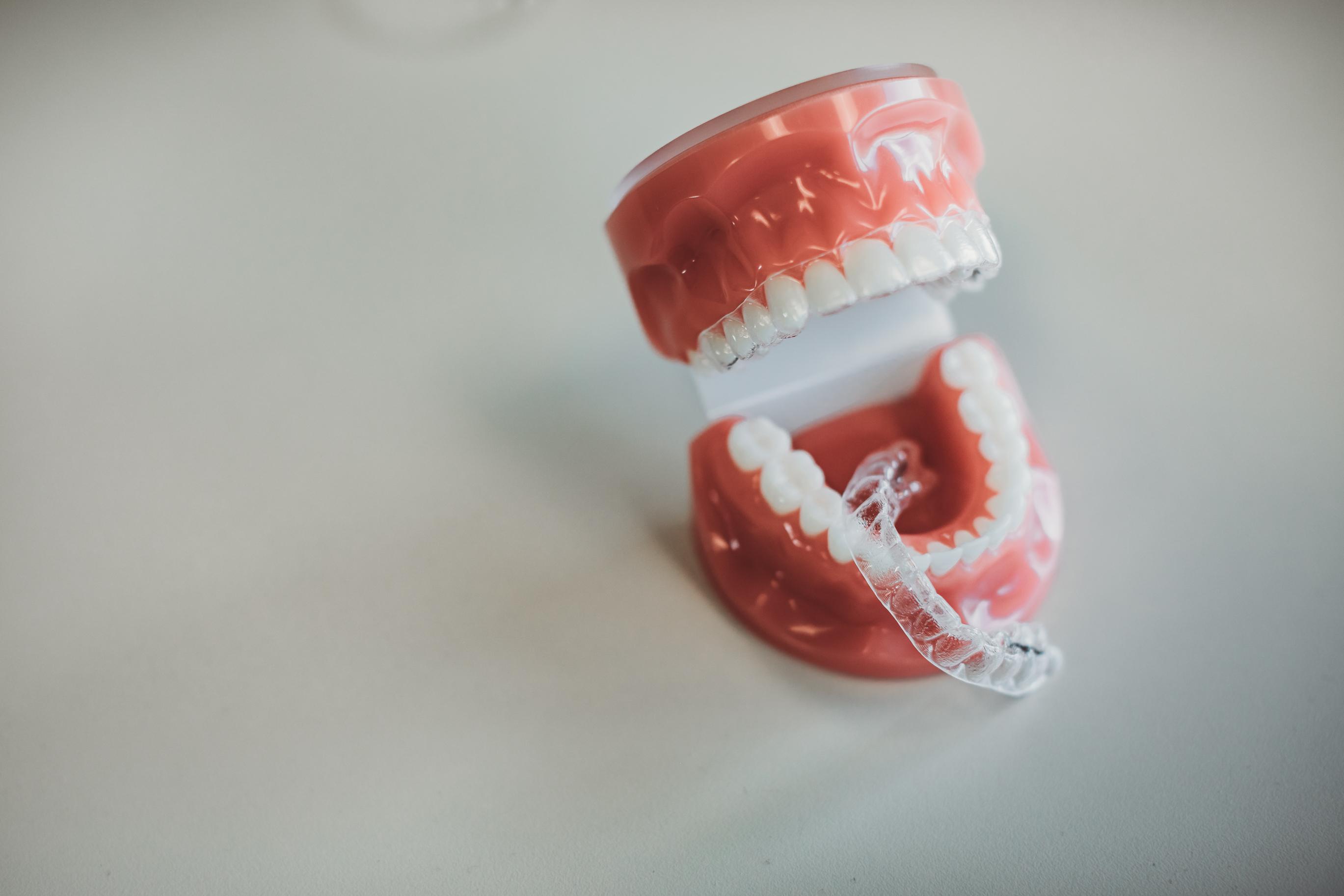
Clear aligners differ significantly from the other types of braces available and offer several lifestyle benefits such as virtual invisibility and the ability to be removed for meals. These use a system of custom-designed and manufactured aligner trays made from clear plastic. These trays are worn over the teeth, like mouth guards. The trays exert gentle pressure on the teeth. With each set of aligner trays worn for about two weeks at a time, the patient's teeth are gradually shifted into the desired positions throughout the entire course of treatment. Clear aligners are popular among adults for discreet treatment, and Aligners allow normal brushing and flossing without restrictions.
While each type of braces uses slightly different technology and devices, the basic mechanics of all braces work the same way. Whether you have traditional braces, clear ceramic braces, lingual braces, Invisalign, or another type, the orthodontic appliance is designed to put constant, steady, gentle pressure on the teeth. This pressure is applied in a specific direction and angle to gradually shift the teeth into the desired locations and proper positioning throughout the course of the treatment.
The American Association of Orthodontists recommends that children have the first orthodontic evaluation by age seven. These appointments help us determine whether or not a child will need to have braces in the future. These appointments also give us an opportunity to use interceptive orthodontics (also known as early treatment) to help mitigate the need for braces or shorten the course of treatment needed later. This early intervention is typically reserved for patients 10 years or less and who still have some baby teeth.
For most children who need comprehensive orthodontic services, the optimal treatment time will occur between the ages of nine and 14 when the child's jawbone and facial structures are still growing and developing.
Although the optimal time for orthodontic treatment is while a patient is still growing and developing, adults are also candidates for orthodontic treatment with braces. Adults can use braces to correct several orthodontic issues such as malocclusion (bite problems), overcrowded teeth, or crooked teeth at any time. There is never a bad time to strive for properly aligned teeth, a great bite, and great overall oral health.
One question we get often from adults is can they do braces with dental work like porcelain veneers, have missing teeth, or gum disease. They certainly can with today's orthodontic options as long as oral hygiene permits, and the treatment journey to straight teeth and a beautiful smile is just around the corner. However, that might mean we need to get a periodontist(gum specialist) or other dentist involved to complete the journey.
The length of treatment is different for every patient. Treatment time primarily varies based on the patient's age treatment begins and the degree of misalignment that needs to be corrected. While some orthodontic treatments can be completed in less than a year, more complex cases could require as many as three years for completion.
At Starling Orthodontics, we're proud to provide patients of all ages with comprehensive orthodontic care. If you or your child has crooked teeth, bite alignment problems, overcrowding, or other orthodontic issues, we strongly encourage you to request a consultation with our orthodontist in Brentwood, TN. We can examine your teeth and bone structure, talk with you about your treatment goals, show you our advanced orthodontic technology, and provide you with a personalized orthodontic treatment plan designed to create a beautiful, comfortable, healthy, and confident smile.
Dr. Craig M. Starling, DDS
Orthodontist Brentwood TN

Please call (615) 507-1660 or click below to schedule a consultaion appointment online.

Please call (615) 507-1660 or click below to schedule your complimentary orthodontic consultation online.


