Lingual Braces in Nashville, TN – An Orthodontist’s Guide
As a Nashville orthodontist, I frequently talk with patients who want to straighten their teeth without anyone noticing. Lingual braces offer one of the most discreet solutions available today, and I’m here to help you understand whether they’re right for your smile.
What Are Lingual Braces?
Lingual braces are fixed orthodontic braces attached to the inside surfaces of your teeth. The sides of teeth facing your tongue are known as the "lingual" tooth surface in dentistry, which is where the name "lingual braces" comes from. This placement of the brackets on the reverse side of the teeth makes them virtually invisible during everyday conversation and social interactions.
These systems use lingual brackets and wires similar to traditional braces, but positioned on the lingual tooth surface rather than the buccal (cheek facing) side
First invented by a Los Angeles orthodontist , Dr. Craven Kurz in 1976, the system has developed significantly. Early designs used stock manufactured brackets and wires that were bulky, uncomfortable, and less accurate.
Modern lingual orthodontic treatment relies on digital intraoral scanning and CAD/CAM technology to create customized brackets that fit each tooth surface precisely with a much lower profile for improved comfort. Further, robotically formed wires have greatly improved the efficiency and accuracy to straighten teeth.
Lingual braces can treat crowding, spacing, overbite, open bite, underbite, crossbite, and relapse after previous orthodontic treatment. Pretty much any orthodontic case that can be treated with traditional braces, will straighten out well with lingual braces.
In my Nashville practice, I often recommend this approach to adults and image conscious teens who want comprehensive alignment without noticeable hardware
Pros of Lingual Braces
Lingual orthodontics remains one of the most discreet fixed orthodontic options I offer in 2026, combining invisibility with powerful tooth movement capabilities.
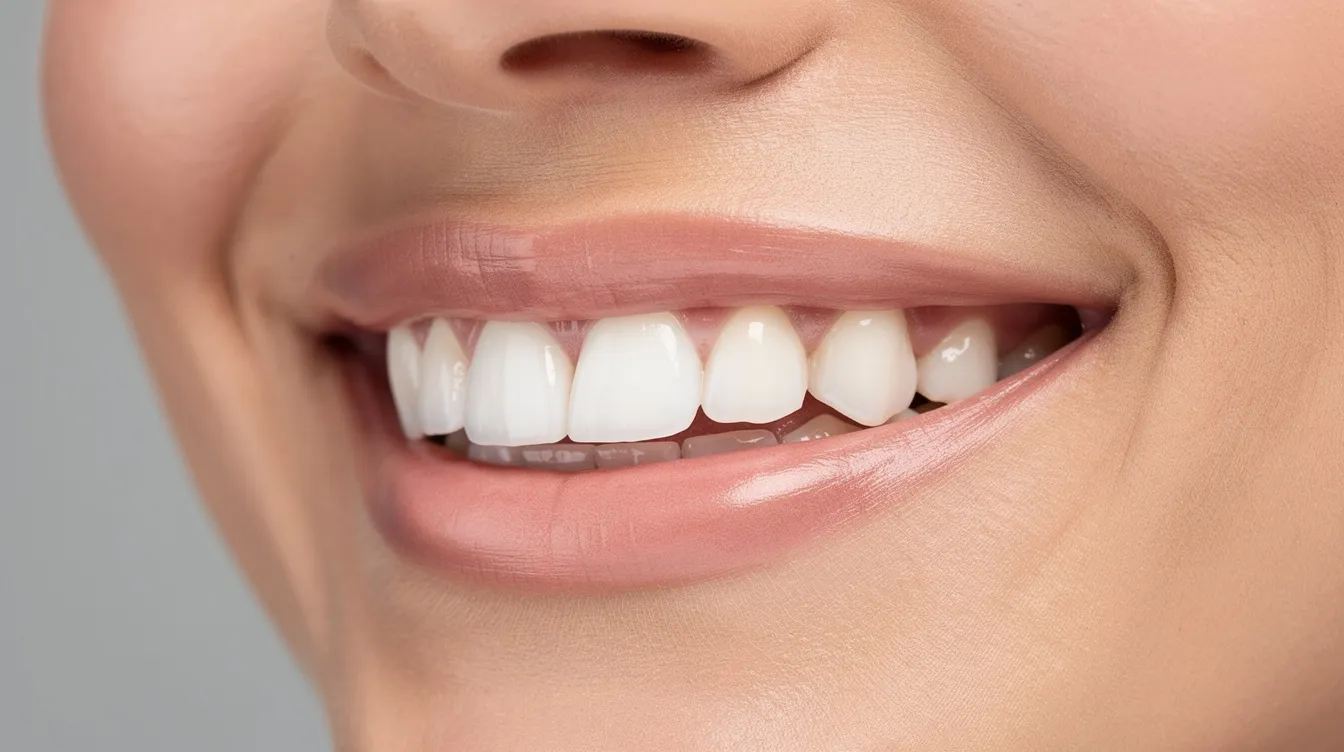
Discreet appearance: Because brackets and wires sit behind your teeth, they remain hidden in most social, professional, and performance settings—even in photos
Comprehensive tooth control: Like labial braces, lingual systems provide precise three dimensional control, handling most bite problems and complex movements that can puzzle clear aligners alone
Custom fit: Customized brackets and robot bent wires are tailored to each tooth, creating a smoother treatment experience with improved comfort
Ideal for performers: Musicians, speakers, and actors in Nashville’s entertainment scene benefit from fixed treatment that won’t interfere with wind instruments or stage presence
Non-removable reliability: Since they stay in your mouth 24/7, there’s no compliance concern. No forgotten trays or lost aligners to account for!
Cons and Limitations of Lingual Braces
While the advantages are significant, lingual braces require an adaptation period, and most people should understand the cons before proceeding.
Tongue irritation: Your tongue will contact the brackets frequently, causing some mild discomfort and soft tissues irritation for the first few days; orthodontic wax and saltwater rinses help protect sensitive areas until you adapt
Speech changes: A temporary lisp or difficulty with “s,” “t,” and “d” sounds is common initially; research shows speech impairment typically improves within days to a few weeks with practice, though a 2014 systematic review noted changes can persist longer. There will usually be a slight lisp present during treatment that improves greatly after the initial adjustment period. Invisalign or other clear aligners have the same issue because of the attachment to the backs of the anterior teeth. However, we have had singers, reporters, CEO's, and other people in the public eye where speech is critical. I have even had my front desk staff in lingual braces at different times.
Oral hygiene challenges: Maintaining proper oral hygiene is harder because the back surfaces are difficult to see. You will need interdental brushes, floss threaders, and possibly a water flosser to prevent plaque buildup We highly recommend a water flosser or waterpik
Cost: Braces cost more for lingual systems due to lab customization, and longer chair time. This option is more expensive than front-side alternatives
Not ideal for every case: Very deep overbites, extremely small teeth, or certain jaw relationships may limit suitability; these factors require evaluation to confirm whether lingual treatment can solve your specific bite problems
Longer appointments: Adjustments take slightly longer and require an orthodontist with specific lingual training, as working on the inside demands greater precision
Lingual Braces vs. Invisalign and Traditional Braces
When patients request a consultation, they typically ask me to compare three main options: lingual braces, clear aligners like Invisalign, and metal or ceramic braces on the front of teeth.
Lingual vs. Invisalign: Both are discreet, but Invisalign or clear aligner trays are removable and visible up close with a slight sheen, while lingual braces remain fixed and hidden; lingual may better address complex movements or help patients who struggle with aligner wear compliance. More detail on this comparison can be found here.
Lingual vs. front side braces: Labial braces remain visible regardless of material, but they’re easier to clean and typically cause less tongue irritation; lingual braces win on invisibility but present a slighter steeper learning curve
Lifestyle factors: Frequent travel, busy schedules, or performing on stage may point toward one option; for example, wind musicians often prefer fixed lingual systems over removable trays
Clinical considerations: Severe crowding, bite corrections, or surgical orthodontic cases may be more predictably managed with fixed braces (lingual or labial) than aligners alone
In my office, we routinely compare simulated outcomes for each option during consultations so you can discuss which approach fits your orthodontic needs and lifestyle in harmony
Cost of Lingual Braces in Nashville, TN
Cost is one of the first questions patients ask, and I believe in transparency before you begin treatment.
Typical fee range: Lingual braces often range from approximately $8,000 to $13,000 for full treatment in the U.S., with Nashville cases usually toward the mid-range depending on complexity
Comparison to other options: Traditional metal braces often range around $4,000–$6,000, ceramic braces slightly higher, and clear aligners can be comparable in many cases
What affects price: Severity of crowding or bite issues, length of treatment, whether one arch or both arches are treated, and the specific lingual system used all create variability
Insurance coverage and HSA/FSA: Some dental plans cover a portion of lingual treatment similarly to other braces, and many patients use Health Savings Accounts or Flexible Spending Accounts to offset costs
Financing: My Nashville practice offers monthly payment plans, and we provide written fee estimates before treatment so nothing feels like a puzzle. You will know exactly what to expect
What to Expect: Treatment Process with Dr. Craig Starling
This section walks you through lingual treatment step by step in my Nashville orthodontic office.
Initial consultation: I perform a comprehensive exam, capture digital photos and panoramic/cephalometric 3D X-rays when needed, and discuss your goals; this step verifies whether lingual braces or another option fits best
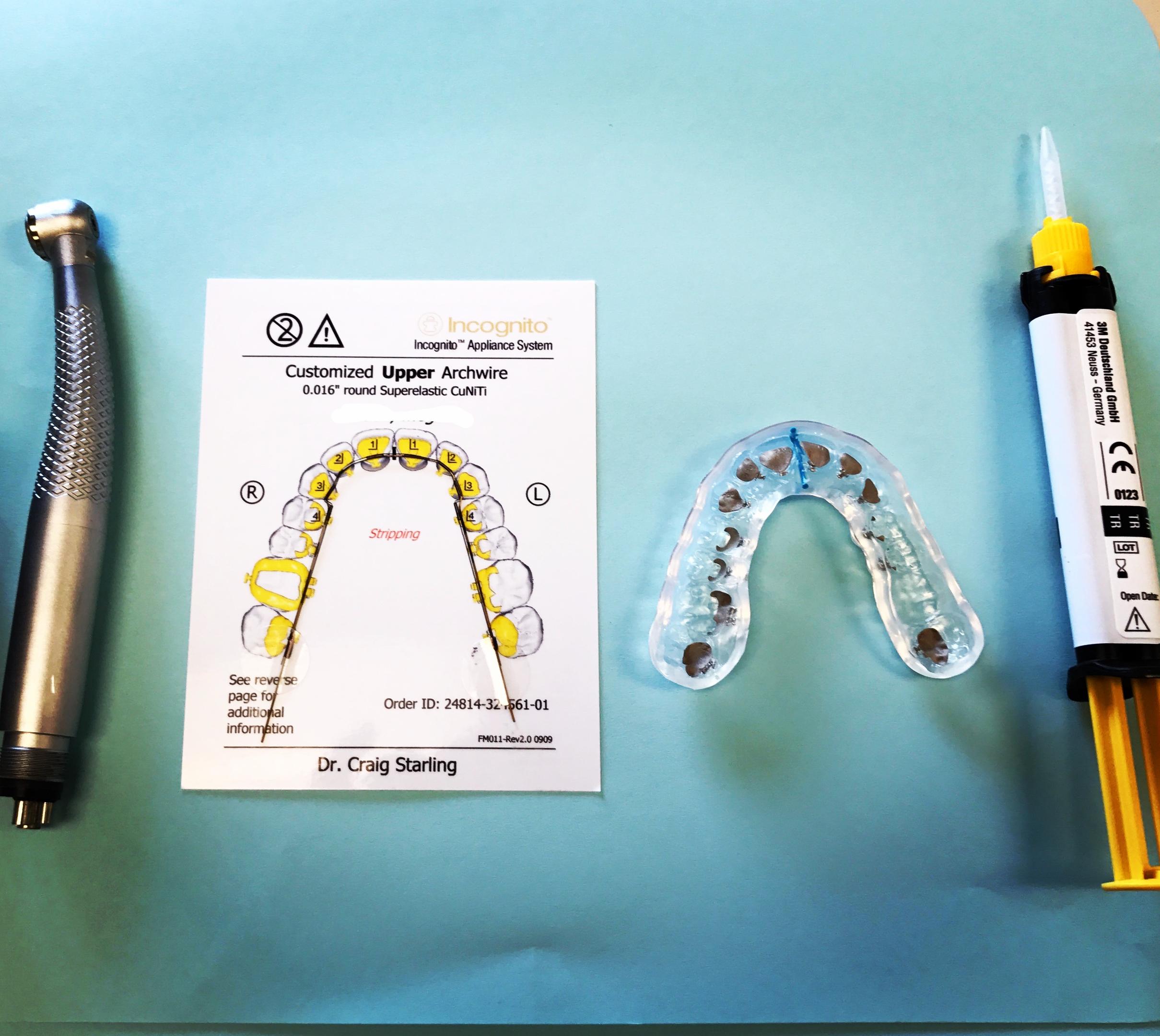
Digital scan and planning: Using an intraoral scanner (no messy impressions), we create a 3D model of your teeth; digital treatment planning allows me to design custom bracket positions and wire sequences with precision. Lingual braces use customized brackets and wires that are often produced using 3D scans and robotic technology.
Bonding appointment: A custom tray positions all brackets onto the lingual surfaces simultaneously; expect 60–90 minutes in the chair, with mild soreness afterward as your mouth adjusts
Adjustment visits: You’ll return approximately every 6–8 weeks for wire changes; total treatment time often spans 12–30 months depending on case complexity
Adapting to daily life: The first week involves soreness and speech adjustment; soft foods, orthodontic wax, and saltwater rinses help. Most patients eventually adapt fully and retry challenging sounds with confidence
Retention: After braces are removed, you’ll receive retainers—often a clear removable type or a bonded lingual wire; lifelong retainer wear is key to maintain your results and improve long-term stability
Are Lingual Braces Right for You? – Talk to Your Nashville Orthodontist
Suitability depends on your bite, goals, budget, and lifestyle. A personalized evaluation with doctors experienced in lingual systems is essential.
Good candidate profile: Adults and older teens who want invisible treatment, are motivated to maintain excellent oral hygiene, and are comfortable with a short adjustment period for speech and tongue comfort
When another option may fit better: Patients with certain deep bites, very small teeth, or conditions making cleaning difficult may benefit from alternative systems; additionally, some cases may not be ideal for lingual treatment due to anatomical constraints, To overcome some of these limitations and satisfy your orthodontic needs, we will sometimes mix lingual braces with alternative systems. For example, using lingual braces on the upper arch, and clear buccal(outside) braces on the lower teeth. This is otherwise known as hybrid treatment.
Importance of experience: Lingual orthodontics requires advanced training; seek an orthodontist who routinely manages lingual cases and can create customized treatment plans. At Starling Orthodontics, we have treated hundreds of patients with lingual braces with several different lingual bracket systems. We don't just have the option listed on our website, we actually do lingual braces on a regular basis.
Local invitation: I welcome patients across Nashville and Middle Tennessee to schedule an in-person consultation where we review photos, 3D scans, and customized treatment solutions together for lingual braces
Contact and next steps: Call my office, fill out an online request form, or schedule a visit directly; early evaluation helps solve developing issues and can prevent more complex problems later—don’t retry delayed treatment when you can begin now
The popularity of lingual braces continues to grow among patients seeking the center point between invisibility and comprehensive orthodontic power. If you’re ready to improve your smile without the upside of visible hardware becoming a downside, contact my team to discuss your options and confirm whether this approach aligns with your goals.
Frequently Asked Questions
Are lingual braces really uncomfortable?
This is probably the biggest question people ask us- because they are worried that it may be really difficult with the discomfort. In the beginning, there is a bit of adaptation that must happen to get comfortable with things. There is some initial tongue rubbing that lasts a few days, but then things get much better. This usually lasts 4-7 days. There are some "dull sores" that usually appear, but go away quickly. This discomfort is very comparable to traditional braces in nature- it is just your tongue instead of your cheek. The only thing different with lingual brackets is where they are attached is to the tooth surface. The acceptance rate of lingual braces is very similar to all other orthodontic appliances- even Invisalign or clear aligners. The newer versions of lingual braces are very low profile, so it really isn't a big deal. In fact, they are quite a bit thinner than that of a traditional brace.
When you read things online about lingual braces, please be careful what you read- because not all of it is true. (shock!) Many orthodontists have very little experience with them, and use a variety of different systems. The best thing here is to consider the source you hear this from, and if it is another doctor- be sure they have actually had some significant experience using lingual braces. Was it less than a handful of times? We all have our biases, but I do think we all can agree more experience is better.
To maximize your adjustment with lingual braces, we will typically start with one arch, then place the other. This helps with initial adjustment greatly as compared to the days when we installed both at the same time.
Is Speech Impacted With Lingual Braces
Yes, there will be a slight lisp with the lingual brackets- the same as with Invisalign or clear aligner treatment because these appliances cover the back of the anterior teeth. The other thing is you will get adapted to it- and most have very little noticeable speech impact. We have had CEO's, reporters, and even country music singers as our patients. All with minimal daily life impact.
Are lingual braces just as effective as other traditional options?
In short, yes they are. Keep in mind that this assumes you are a good candidate! They have the advantage of computer customization over more traditional methods, and a compliance advantage over removable aligners.
Can you treat an overbite with lingual braces?
Yes, we have treated many successfully. It works very well, just like traditional braces do at overbite correction.
Can you treat a jaw surgery case with lingual braces?
Yes- and we have treated many successfully at our office.
connect with us
Call today or complete the appointment request form and we will be in touch soon.
.png)